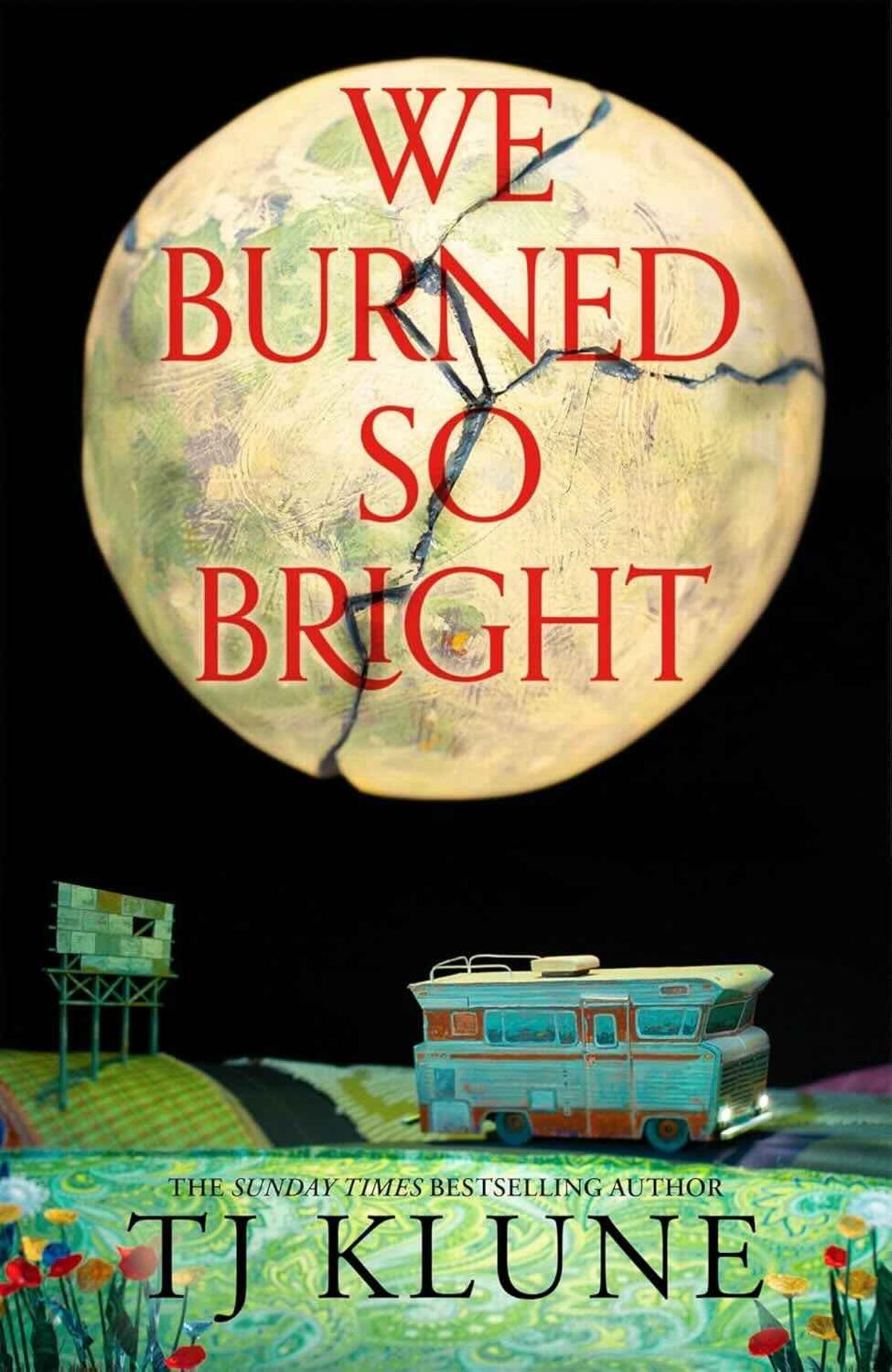
Key Takeaways
- •Long‑term gay couple drives RV toward apocalypse, carrying secret box.
- •Story blends quiet apocalypse with deep queer love and history.
- •Episodic encounters reveal varied ways people face impending doom.
- •Klune’s prose is stripped down, letting silences convey grief.
- •Mixed reviews note pacing dips but praise emotional resonance.
Pulse Analysis
Klune’s shift from the bright, fantastical worlds of *The House in the Cerulean Sea* to the dimming sky of *We Burned So Bright* reflects a broader trend in genre fiction toward grounded, character‑centric narratives. By placing a long‑term queer couple at the center of an impending cosmic disaster, the novel challenges the traditionally heteronormative apocalyptic canon and offers a fresh lens on survival, love, and legacy. This move not only broadens Klune’s readership but also signals a growing appetite for stories where LGBTQ+ protagonists navigate universal crises without sacrificing their distinct cultural experiences.
The novel’s structure—an episodic road‑trip punctuated by brief encounters—mirrors the fragmented reality of a world on the brink. Each stop, from a panicked family in the north to a Wyoming rancher whose mind unravels, serves as a micro‑study of how different communities process impending loss. The secret oak box functions as a narrative spine, turning mundane mileage into a pilgrimage of memory and responsibility. Klune’s restrained prose, heavy on silences, allows grief to linger, while moments of humor and queer historical recall—such as Rodney’s recounting of Matthew Shepard—anchor the story in lived experience.
Critically, the book has garnered four‑star reviews, praised for its emotional resonance and vivid apocalypse imagery, though some note uneven pacing in the middle sections. Comparisons to Emily St. John Mandel’s *Station Eleven* and Ben H. Winters’ *The Last Policeman* highlight its place within the slow‑burn, character‑first end‑of‑world subgenre. For publishers and booksellers, the novel’s blend of queer representation, literary depth, and genre appeal offers a compelling cross‑market product, likely to attract both fanbases of speculative fiction and readers seeking heartfelt, inclusive narratives. Its success may encourage more authors to explore similar intersections of identity and existential threat.
We Burned So Bright by T.J. Klune
Comments
Want to join the conversation?