‘Why Iranians Continue to Seek Refuge in Australia’ by Shokoofeh Azar
Key Takeaways
- •Azar’s 2012 essay highlights ongoing Iranian asylum seekers in Australia
- •Iranian diaspora faces regime threats; translators remain anonymous for safety
- •Australia granted Azar asylum, launching her internationally acclaimed literary career
- •World Literature Today underrepresents Australian authors, missing Azar’s contributions
- •Essays underscore Western complacency toward Iranian women’s human rights
Pulse Analysis
Australia has long been a destination for Iranians fleeing political repression, but recent data shows the trend is far from waning. Since the 1979 revolution, more than 30,000 Iranians have been granted Australian visas, many citing threats to personal safety and freedom of expression. The country’s humanitarian intake, combined with a relatively robust legal framework for asylum, makes it an attractive refuge, yet bureaucratic backlogs and public debate over migration policy continue to shape the experience of newcomers. Understanding these dynamics is essential for policymakers aiming to balance security concerns with Australia’s tradition of offering sanctuary.
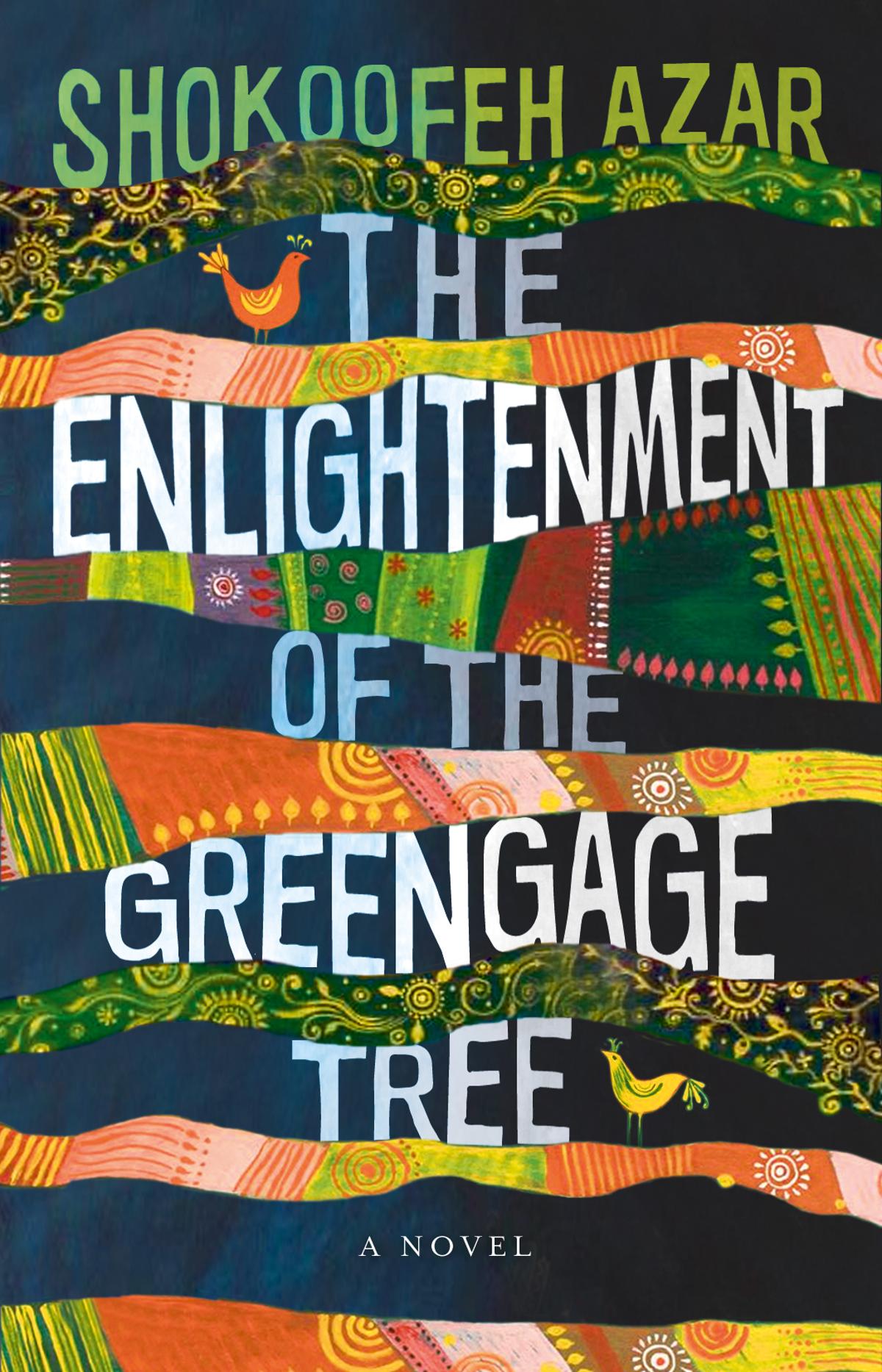
Shokoofeh Azar’s personal journey epitomizes the cultural dividends of that sanctuary. After receiving asylum in Perth, she published *The Enlightenment of the Greengage Tree* in 2017, a novel that quickly earned international accolades, including a long‑list spot for the 2020 International Booker. Her work weaves Iranian folklore with contemporary themes, and the anonymity of her translators reflects the lingering reach of the Iranian regime abroad. Azar’s success illustrates how refugee talent can enrich Australia’s literary landscape, fostering cross‑cultural dialogue and expanding the nation’s soft power on the global stage.
The limited visibility of Australian authors like Azar on platforms such as World Literature Today reveals a gap in the global literary ecosystem. While the journal posted dozens of reviews in March, its tagging system omitted Australian contributions, reducing exposure for writers who bridge East and West. This oversight not only diminishes the profile of diaspora voices but also signals a broader Western tendency to understate human‑rights crises in Iran, especially concerning women activists. Amplifying these stories can drive more informed public discourse, encourage supportive immigration policies, and ensure that the artistic achievements of refugees receive the recognition they merit.
‘Why Iranians Continue to Seek Refuge in Australia’ by Shokoofeh Azar
Comments
Want to join the conversation?