Why It Matters
Iron Widow taps a growing demand for diverse, feminist‑driven sci‑fi in the YA market, signaling broader cultural shifts toward inclusive storytelling.
Key Takeaways
- •Iron Widow blends Chinese mythology with futuristic mecha warfare.
- •Protagonist Zetian seeks vengeance for her sister's death.
- •Story critiques patriarchal oppression in a sci‑fi setting.
- •Book has strong appeal to feminist YA readers.
- •Series continues with sequel Heavenly Tyrant, expanding the universe.
Pulse Analysis
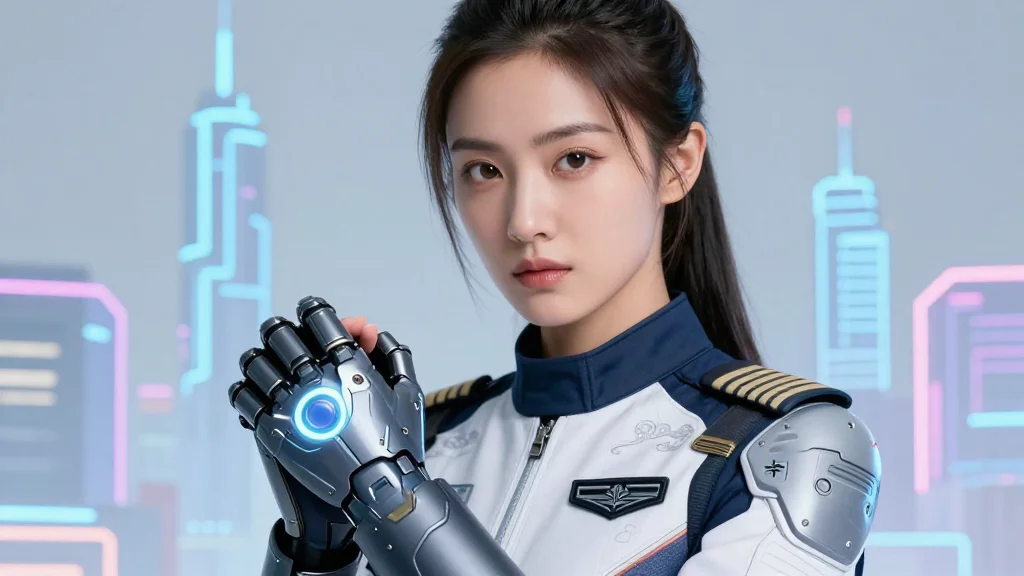
Iron Widow arrives at a moment when young adult readers crave narratives that fuse cultural specificity with genre thrills. By anchoring its plot in a future where women are forced into concubine‑pilot roles, the novel reimagines the classic mecha trope through a feminist lens. Zetian’s quest for vengeance is not just personal; it becomes a rallying cry against a system that commodifies female bodies, offering readers a protagonist who weaponizes her oppression into agency. This blend of high‑stakes action and social commentary sets the book apart in a crowded YA market.
The novel’s integration of Chinese historical references—such as the name Zetian, echoing the only female emperor of China—adds depth that resonates with readers seeking non‑Western perspectives. Coupled with alien antagonists and advanced technology, the story creates a hybrid world that feels both familiar and novel. Industry analysts note that titles marrying cultural authenticity with mainstream genre elements tend to outperform generic fare, as they attract both niche and broad audiences. Iron Widow’s success underscores the commercial viability of stories that challenge gender norms while delivering the spectacle readers expect from sci‑fi.
Author Xiran Jay Zhao, a rising voice in speculative fiction, leverages her background in Chinese mythology to craft a narrative that feels both epic and intimate. Critical reception highlights the book’s brisk pacing, complex character dynamics, and its unapologetic feminist stance. The cliffhanger ending, leading into Heavenly Tyrant, promises to deepen the series’ exploration of power, sacrifice, and redemption. For publishers and creators, Iron Widow exemplifies how thoughtful world‑building paired with timely themes can drive engagement and sustain a franchise in the competitive YA landscape.
A Feminist Tale of Vengeance and Redemption
Comments
Want to join the conversation?
Loading comments...