Companies Mentioned
Why It Matters
Levi’s translation illustrates how language can both preserve memory and inflict personal trauma, underscoring the ethical weight translators bear when handling Holocaust narratives.
Key Takeaways
- •Levi’s German learned in Auschwitz shaped his Kafka translation
- •Translating *The Trial* reopened Levi’s trauma, contributing to his suicide
- •The 1983 Italian edition was called a “pathogenic book” by Levi
- •Publication aimed at Germans turned translation into a moral confrontation
Pulse Analysis
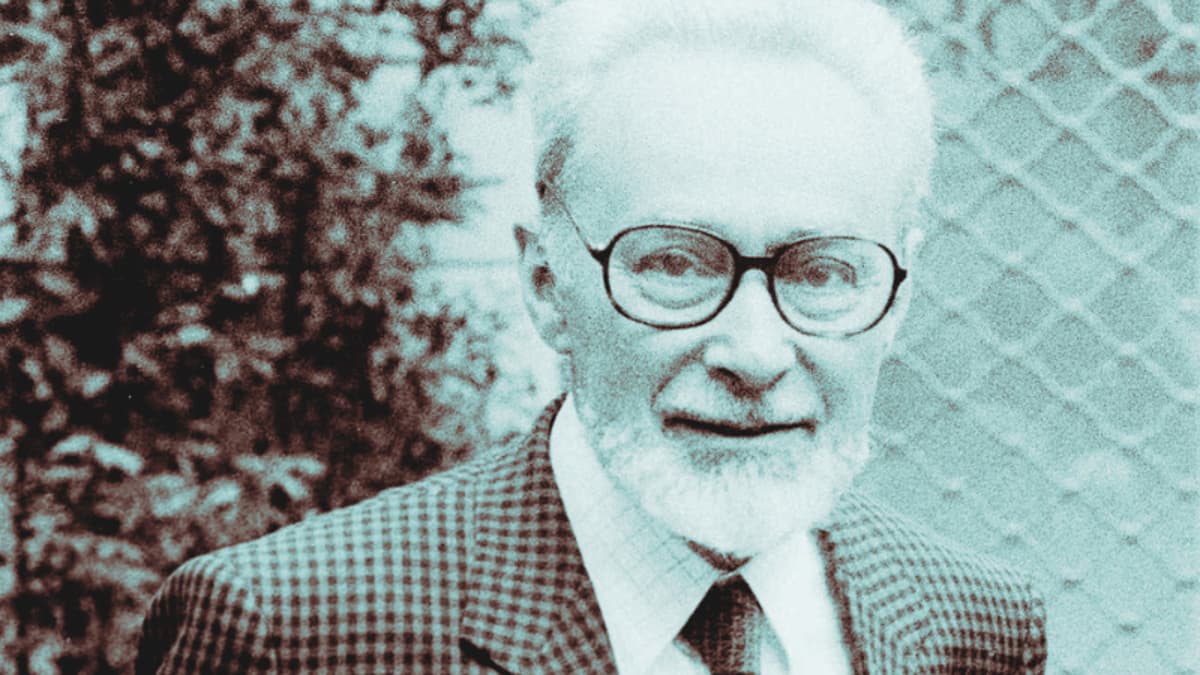
Primo Levi, the Italian chemist‑survivor of Auschwitz, began translating Kafka’s *The Trial* in the summer of 1982, a project that forced him to confront the very language he had first learned under the gun‑fire of a concentration camp. The German he picked up in the Lager was a mixture of scientific jargon and the harsh commands of Nazi guards, a hybrid that later became the backbone of his translation. For Levi, mastering that tongue was not merely an academic exercise; it was a matter of survival, as prisoners who could not understand orders were swiftly punished.
The resulting Italian edition, released in spring 1983, struck Levi as “pathogenic,” a text that pierced him emotionally and physically. By rendering Kafka’s absurd legal nightmare into his native language, Levi exposed the parallels between the bureaucratic terror of the novel and the mechanized cruelty of the camps. The translation also served a strategic purpose: it was aimed at German readers, turning the work into a moral weapon against denialism. Levi’s correspondence with his German publisher Fischer highlighted how the act of translation could return the memory of Auschwitz to the very nation that had perpetrated it.
Levi’s experience underscores a timeless dilemma for translators who tackle trauma‑laden literature: the line between faithful rendering and personal devastation can be razor‑thin. His suicide in 1987, linked by many scholars to the psychological toll of the Kafka project, warns of the ethical weight carried by those who give voice to unspeakable histories. Modern translators can learn from Levi’s “verbal tattoo” – the need to internalize a language without being consumed by it – and from his insistence that translation be a conduit for truth rather than a tool for sanitization. This legacy continues to shape how publishers, scholars, and readers approach Holocaust narratives and other works that demand both linguistic precision and moral responsibility.
A New Language: On Primo Levi’s Translation of Kafka
Comments
Want to join the conversation?
Loading comments...