Key Takeaways
- •Boyband cruise setting explores adult nostalgia without sentimentality.
- •Three POVs—fan, band member, manager—drive intersecting narratives.
- •Keith’s portrait offers a rare look at fame‑induced exhaustion.
- •Sarah’s subplot feels underdeveloped, creating slight structural imbalance.
Pulse Analysis
Emma Straub, a New York Times bestseller known for tightly plotted ensemble pieces, returns with *American Fantasy*, a novel that compresses her signature multi‑character focus onto a single cruise ship. The setting—a 1990s boy‑band tour—serves as a microcosm for exploring how adult lives intersect with lingering adolescent passions. Straub’s previous titles, such as *The Vacationers* and *All Adults Here*, also used enclosed environments to reveal character truths; here, the ship’s deck‑by‑deck log format adds a procedural rhythm that mirrors the characters’ emotional tides.
At its core, the novel interrogates nostalgia through a neuroscientific lens, noting that songs from our teenage years forge durable dopamine pathways. By portraying fan Annie’s public tears and band member Keith’s quiet fatigue, Straub validates the physiological weight of pop‑culture memory. The narrative also spotlights the logistics of fandom—hand‑made bracelets, social‑media coordination, and even life‑saving kidney donations—painting a vivid portrait of a community that operates beyond mere nostalgia. This thematic depth positions the book as a thoughtful commentary on how cultural artifacts shape identity across decades.
For the publishing market, *American Fantasy* taps a sweet spot between literary fiction and pop‑culture memoir, appealing to readers who appreciate lyrical prose and recognize the boy‑band phenomenon. Its comparisons to titles like *Daisy Jones & The Six* and *Malibu Rising* suggest crossover potential, while the open‑ended conclusion invites discussion and repeat reads. Straub’s deft blend of humor, pathos, and structural precision may boost sales among both her established fan base and newcomers drawn by the novel’s timely exploration of nostalgia’s power.
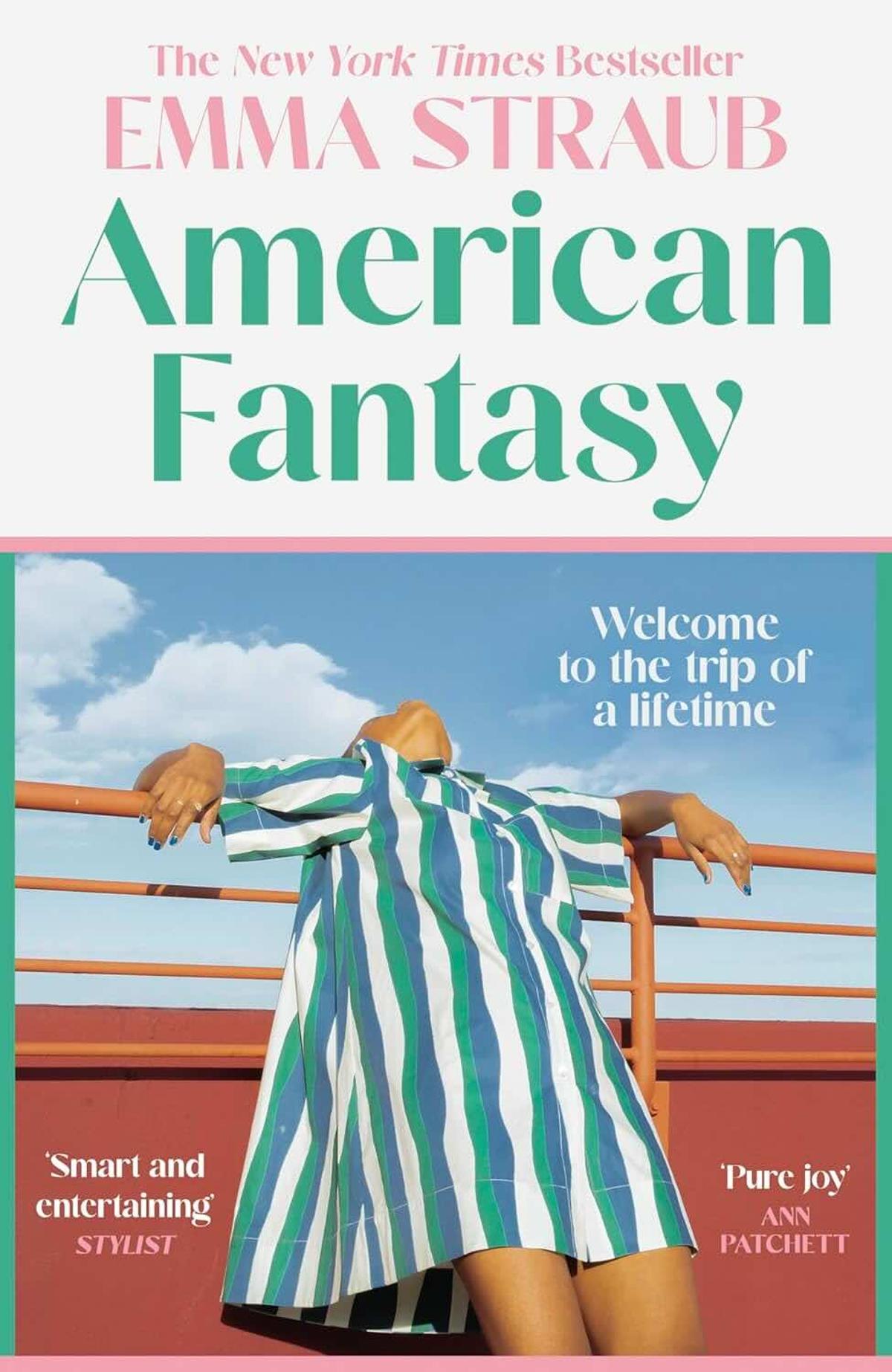
American Fantasy by Emma Straub
Comments
Want to join the conversation?