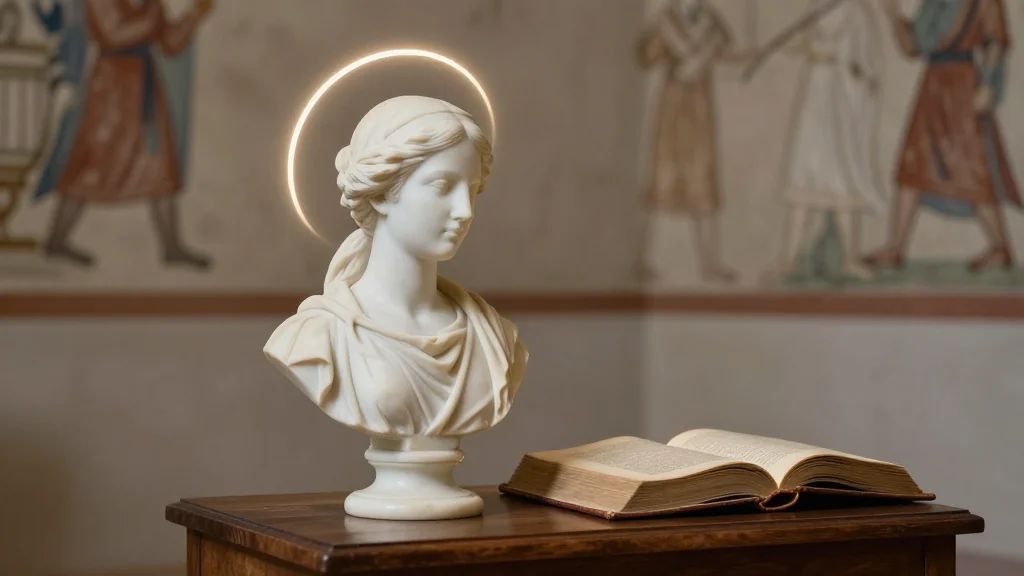
An Art Historian’s Riotous Novel Melds Medieval Art with Monica Lewinsky
Why It Matters
The novel reframes a notorious political scandal through the lens of medieval sanctity, prompting fresh dialogue on public shaming, memory, and the emotional power of art. Its interdisciplinary approach signals a growing appetite for fiction that bridges academic scholarship and popular culture.
Key Takeaways
- •Langbein's debut novel 'Dear Monica Lewinsky' released by Doubleday.
- •Story intertwines 1998 scandal with medieval saint iconography.
- •Author leverages PhD art history to frame modern shame as martyrdom.
- •Research involved on‑site visits to French cathedrals and medieval scholarship.
- •Novel explores memory, guilt, and emotional response to art.
Pulse Analysis
By casting Monica Lewinsky as a quasi‑saint, Langbein taps into a cultural moment where the lines between celebrity, victimhood, and redemption are increasingly blurred. The novel’s premise—an academic protagonist praying to a former political figure—offers readers a fresh mythic framework for a scandal that still resonates in American politics. This reinterpretation invites a reassessment of how media‑driven humiliation can be transformed into a narrative of collective catharsis, a theme that aligns with current conversations about cancel culture and restorative justice.
Langbein’s scholarly pedigree shapes the book’s texture. A PhD from the University of Chicago and years spent cataloguing Romanesque churches in France inform vivid descriptions of medieval iconography, from the Golden Legend’s martyr stories to the intricate portals of Bourges Cathedral. Her fieldwork—walking the cloisters, consulting with fellow art historians, and immersing herself in 1990s scholarship—provides authentic detail that grounds the fantastical elements. This blend of rigorous research and imaginative storytelling demonstrates how academic expertise can enrich popular fiction without sacrificing narrative drive.
The release of *Dear Monica Lewinsky* signals a broader trend toward interdisciplinary novels that marry high culture with pop‑culture subjects. Publishers are increasingly courting works that appeal to both literary readers and those drawn to current affairs, expanding market opportunities for authors with niche academic backgrounds. Moreover, the book’s focus on memory, guilt, and the emotional resonance of visual art may influence future discourse in both literary criticism and art history, encouraging scholars to consider narrative empathy as a tool for interpreting historical trauma.
An Art Historian’s Riotous Novel Melds Medieval Art with Monica Lewinsky
Comments
Want to join the conversation?
Loading comments...