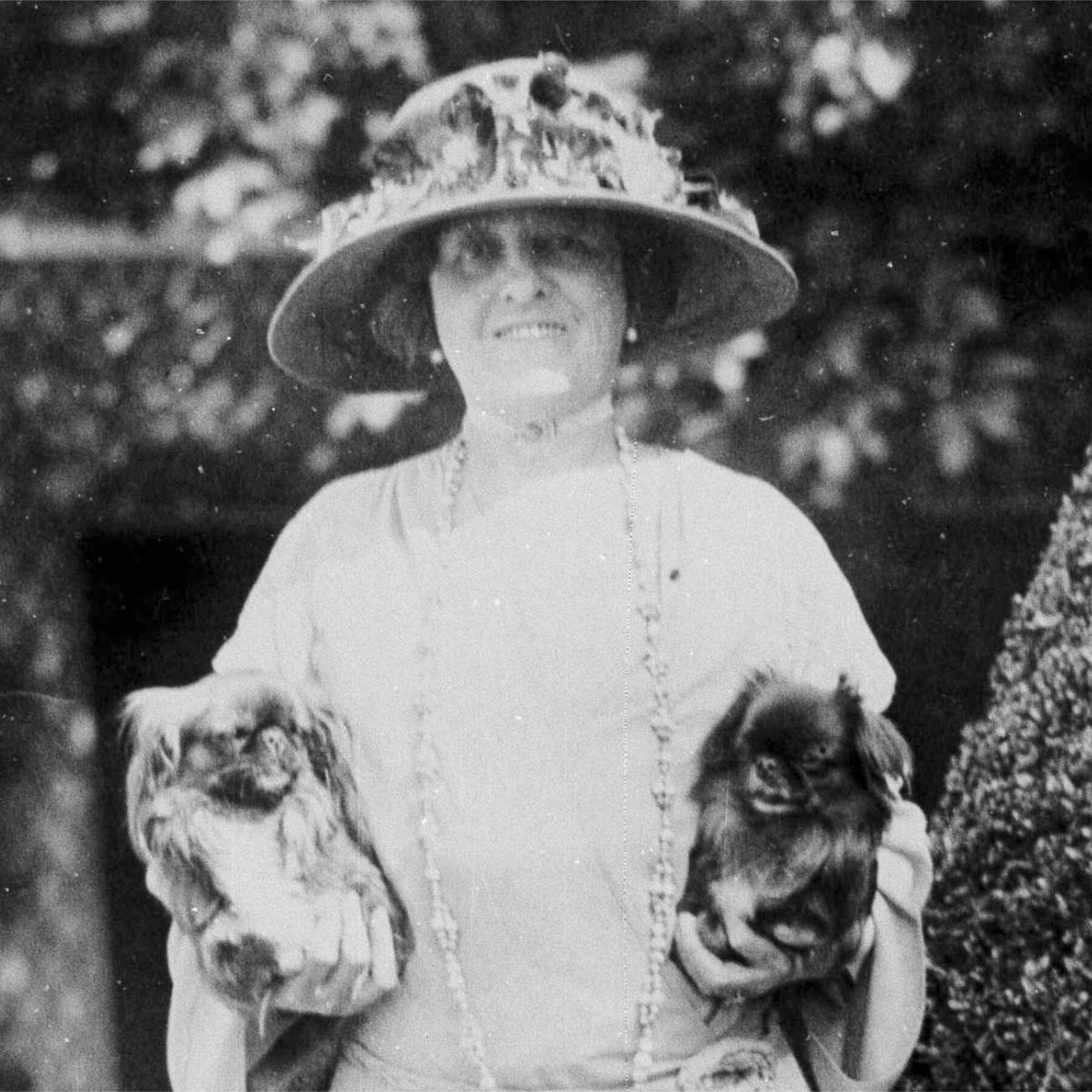
An Edith Wharton Short Story Is Published About 100 Years Later
Why It Matters
The discovery expands Wharton’s canon and highlights literary engagement with World War I, attracting scholars and readers interested in early 20th‑century narratives.
Key Takeaways
- •Unreleased Wharton story appears in The Strand Magazine
- •Manuscript dated July 1918, stored at Yale’s Beinecke Library
- •Narrative set during WWI dinner party in French chateau
- •Explores tension between societal decorum and war’s brutality
- •Publication enriches Wharton scholarship and WWI literary studies
Pulse Analysis
Edith Wharton’s reputation rests on her incisive portrayals of Gilded‑Age society, yet her wartime output has long been peripheral to mainstream scholarship. While serving with French relief agencies during World War I, Wharton drafted several pieces that never saw publication. The newly surfaced manuscript, rescued from Yale’s Beinecke Rare Book & Manuscript Library, provides a rare glimpse into how the author processed the conflict’s chaos through the familiar lens of a genteel dinner party, blending her signature social critique with the stark realities of a war‑torn landscape.
“The Men Who Saved the World” captures a summer night in 1918, where the clink of fine china competes with distant artillery. By setting the story in a chateau where an army surgeon once performed amputations, Wharton juxtaposes the veneer of aristocratic decorum against the visceral trauma of the front lines. This tension mirrors broader cultural shifts of the era, as European elites grappled with the erosion of traditional hierarchies. The narrative’s focus on orchids trembling from blast vibrations serves as a potent metaphor for fragile beauty persisting amid destruction, a theme that resonates with contemporary readers exploring the human cost of conflict.
The story’s publication in The Strand Magazine not only enriches Wharton’s bibliography but also signals a growing market appetite for rediscovered literary artifacts. Academic institutions and literary estates are increasingly digitizing and licensing rare works, creating new revenue streams while fueling scholarly debate. For publishers, the commercial success of such releases underscores the value of archival mining, especially when the author carries Pulitzer prestige. As scholars reassess Wharton’s wartime voice, the story is poised to become a staple in curricula that examine literature’s role in shaping public perception of global conflict.
An Edith Wharton Short Story Is Published About 100 Years Later
Comments
Want to join the conversation?
Loading comments...