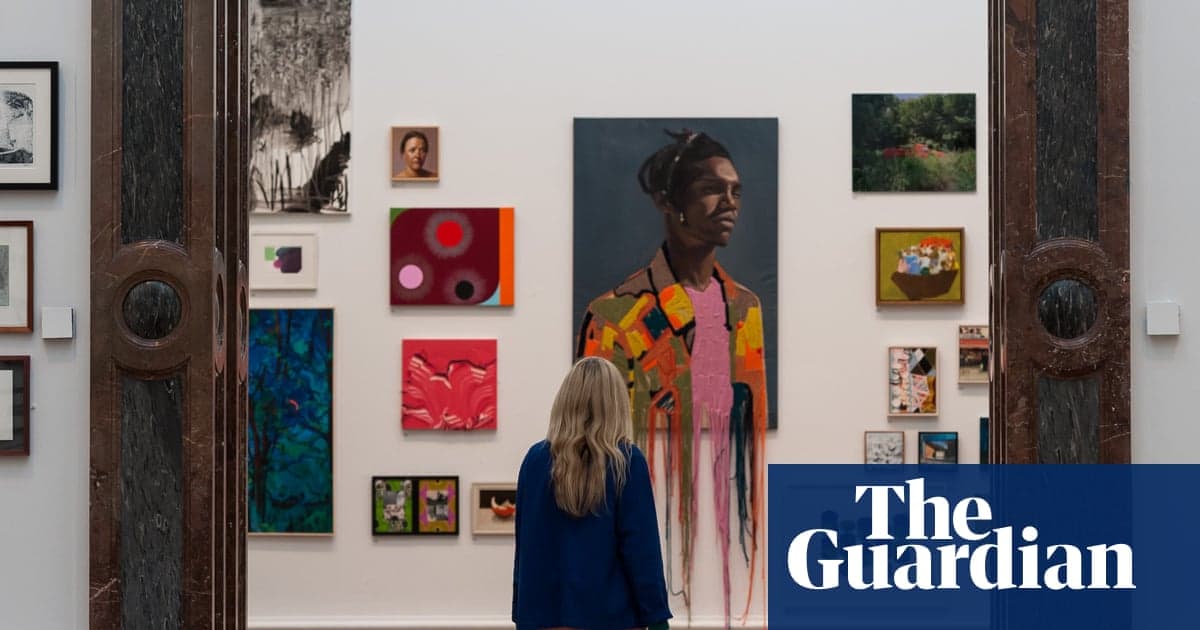
Art Cure by Daisy Fancourt Review – Is Culture the Best Medicine?
Companies Mentioned
Why It Matters
By framing culture as a quantifiable health intervention, the book gives policymakers and insurers a data‑driven rationale to protect arts funding and integrate creative therapies into standard care.
Key Takeaways
- •Arts engagement can lower stress and pain, per clinical studies
- •Creative activities stimulate vagus nerve, affecting heart and gut
- •Delaying dementia via arts could save US$1.9 bn annually
- •UK arts funding fell to £9.40 per pupil in 2022
- •Fancourt proposes “active ingredients” framework to prescribe art therapies
Pulse Analysis
*Art Cure* arrives at a moment when health systems are scrambling for low‑cost, high‑impact interventions. Fancourt, a UCL professor, leverages decades of psychobiology research to argue that the arts are not merely pleasant pastimes but physiological modulators. By dissecting experiences into components—sound, movement, social connection—she shows how they trigger pathways such as vagal activation, gene expression, and neuroplasticity. This scientific framing transforms subjective wellbeing into a metric that can be measured, compared, and ultimately prescribed alongside conventional medicine.
The evidence base is growing. Randomized trials demonstrate that singing reduces heart rate in neonatal intensive care, music therapy improves gait in Parkinson’s disease, and visual art sessions cut chronic pain scores. Economically, the book estimates that widespread arts participation could delay dementia onset enough to save roughly US$1.9 bn each year for health and social care systems. In the UK, the average arts budget per school pupil dropped to £9.40 (about US$12) in 2022, highlighting a policy gap that could undermine these health gains. For insurers and employers, the reported US$1,900 uplift in employee wellbeing translates into lower absenteeism and higher productivity.
The broader implication is a shift from a disease‑centric model to a "what matters to patients" approach. Treating art as a prescription challenges traditional hierarchies, demanding interdisciplinary collaboration between clinicians, artists, and policymakers. Critics warn that quantifying creativity risks stripping it of its intrinsic value, yet the data suggest that a balanced view—recognizing both subjective enrichment and measurable health outcomes—can safeguard cultural programs. As the U.S. grapples with rising chronic disease costs, integrating evidence‑based arts interventions could become a strategic lever for public health, workforce resilience, and community cohesion.
Art Cure by Daisy Fancourt review – is culture the best medicine?
Comments
Want to join the conversation?
Loading comments...