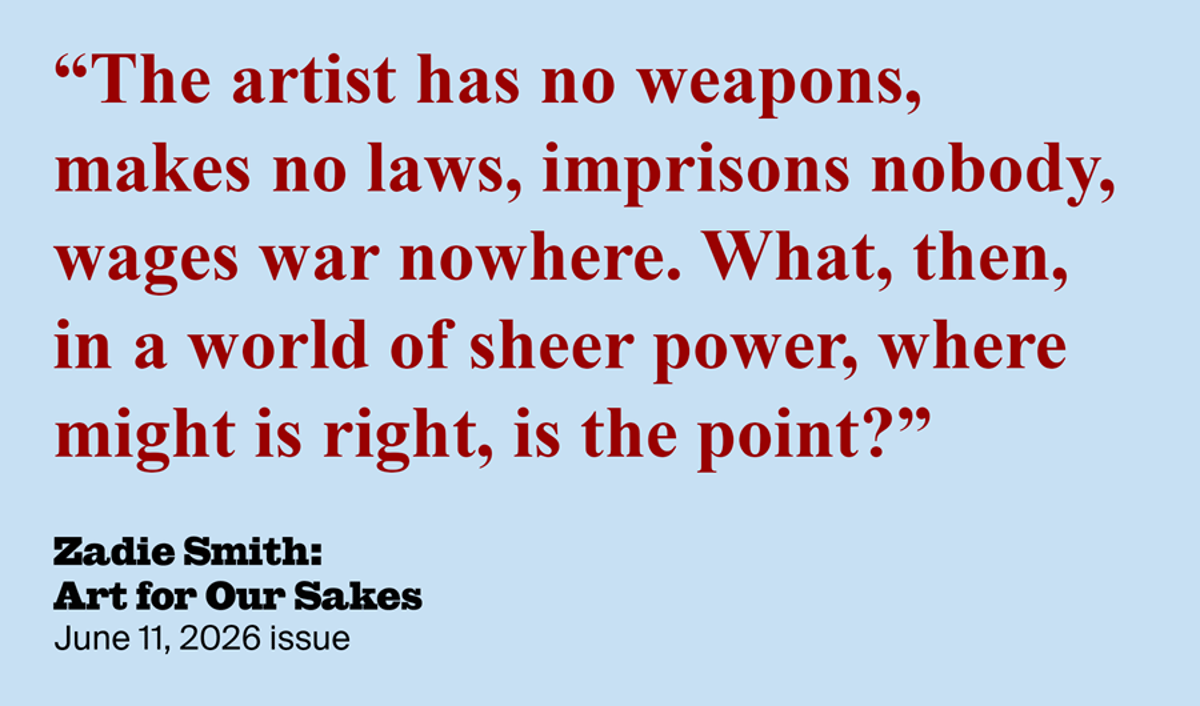
Why It Matters
The piece spotlights the perennial debate over whether art should remain autonomous or serve political purposes, a question that shapes funding, censorship, and cultural relevance today.
Key Takeaways
- •Zadie Smith revisits E.M. Forster's 1949 lecture on art
- •She questions art's relevance amid violence and social unrest
- •Forster's 'Art for Art's Sake' remains perpetually contested
- •Artists often forced to serve ideology or political agendas
- •Ayn Rand's The Fountainhead exemplifies art as ideological vehicle
Pulse Analysis
Zadie Smith’s recent address revives E.M. Forster’s 1949 speech, a cornerstone in the long‑standing debate over "art for art's sake." Forster argued that art should exist independent of political or moral imperatives, a stance that has repeatedly drawn fire from authoritarian regimes and from critics who demand that culture serve a utilitarian function. By recalling this historic moment, Smith underscores how the tension between aesthetic purity and social responsibility is not new, but rather a recurring fault line in cultural discourse.
The relevance of this debate has sharpened in today’s climate of heightened violence and political polarization. Artists increasingly find themselves at the crossroads of creation and activism, pressured to comment on systemic injustices while also navigating market expectations. Smith’s question—"Why talk about arts when people are being gunned down?"—captures the dilemma facing creators who must balance personal expression with public demand for relevance. This dynamic fuels ongoing conversations about funding models, censorship, and the role of museums and publishers in either amplifying or silencing dissenting voices.
Historical examples like Ayn Rand’s *The Fountainhead* illustrate how art can be co‑opted to champion ideological narratives, blurring the line between aesthetic intent and political agenda. As cultural institutions grapple with these complexities, the industry must reassess how it values artistic autonomy versus societal impact. Understanding this balance is crucial for policymakers, investors, and creators who seek to sustain a vibrant, resilient arts ecosystem in an era where every work is inevitably read through a political lens.
Art for Our Sakes
Comments
Want to join the conversation?
Loading comments...