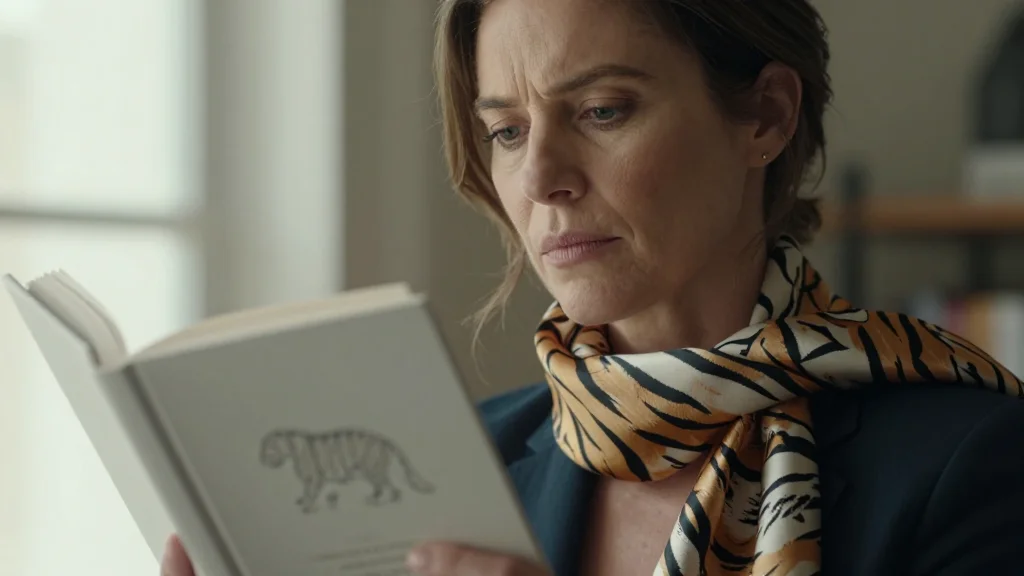
Asian Mothers, Bad Feelings: Notes on An All-Conquering Stereotype
Why It Matters
The piece reframes a pervasive cultural stereotype, offering insight into intergenerational dynamics that affect mental‑health outcomes and representation of Asian Americans in media.
Key Takeaways
- •Liu links “tiger mom” myth to historic Chinese trauma.
- •Literature from *Joy Luck Club* to *Crazy Rich Asians* reflects this trope.
- •Mothers aim for assimilation, yet children feel culturally alienated.
- •Intergenerational conflict fuels both real-life tension and popular narratives.
- •Understanding the stereotype aids mental‑health dialogue in Asian diaspora.
Pulse Analysis
The “difficult Asian mother” trope did not emerge in a vacuum; it is rooted in the collective memory of Chinese women who endured famine, war, and strict Confucian hierarchies. Amy Chua’s 2011 “tiger mom” column crystallized a modern iteration, framing parental rigor as a pathway to success. Liu expands this narrative, showing how historical trauma is repackaged in contemporary media, allowing audiences to confront the lingering effects of displacement and gendered expectations without overtly naming them.
In literature and film, the archetype serves as a narrative conduit. From Amy Tan’s *The Joy Luck Club*—where mothers silently bear loss—to the opulent drama of *Crazy Rich Asians*, the stern mother figure channels unresolved grief, ambition, and cultural preservation. These stories use the mother’s rigidity to dramatize the clash between tradition and the desire for individual autonomy, making the conflict instantly recognizable to both Asian and non‑Asian viewers. By positioning the mother as both antagonist and victim, creators invite nuanced empathy rather than simple caricature.
Understanding this stereotype matters for today’s immigrant families and content creators alike. The double bind Liu describes—parents striving for assimilation while producing children who feel culturally estranged—has measurable impacts on mental‑health outcomes, including anxiety and identity confusion. Recognizing the trope’s historical underpinnings can inform more authentic storytelling and foster dialogue around intergenerational healing. As Asian representation expands in Hollywood and publishing, nuanced portrayals of these mothers can shift public perception, reduce stigma, and support healthier family dynamics within the diaspora.
Asian Mothers, Bad Feelings: Notes on An All-conquering Stereotype
Comments
Want to join the conversation?
Loading comments...