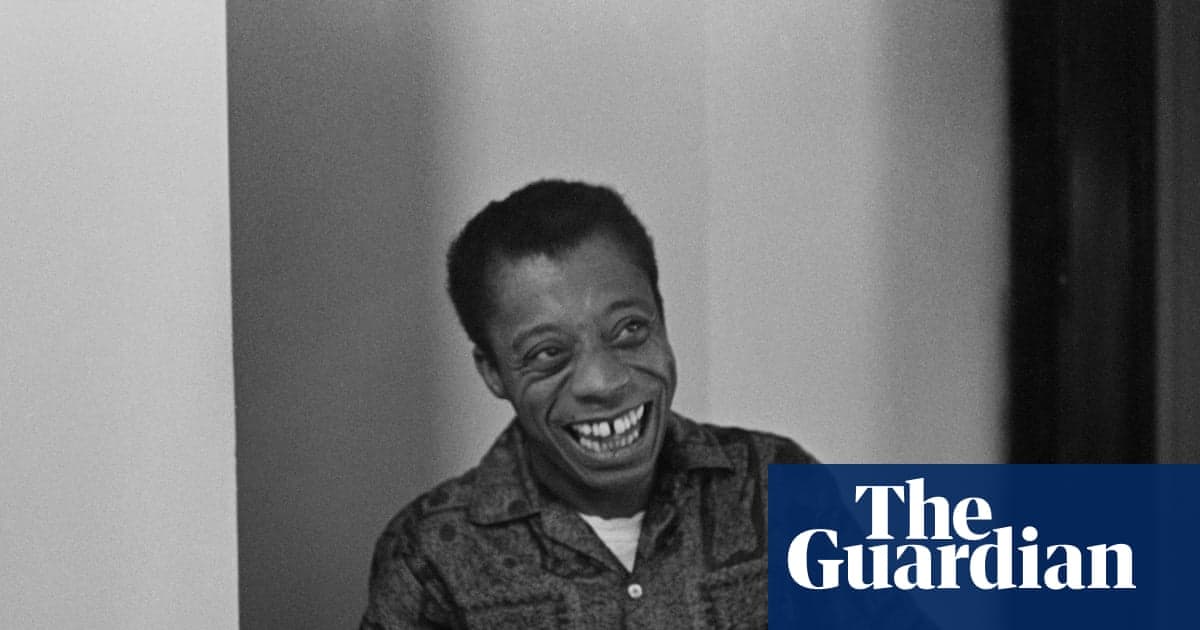
Baldwin by Nicholas Boggs Review – the Relationships that Drove a Genius
Why It Matters
By foregrounding Baldwin’s same‑sex relationships, the book challenges longstanding hagiographies and enriches scholarly discourse on race, sexuality, and artistic motivation. It also fuels the broader revival of Baldwin’s work in contemporary cultural and academic circles.
Key Takeaways
- •First major Baldwin biography in 30 years
- •Focuses on Baldwin's relationships with men
- •Reveals unpublished letters and new archival material
- •Shows how love shaped Baldwin's art and activism
- •Highlights Baldwin's complex legacy and recent resurgence
Pulse Analysis
The release of *Baldwin: A Love Story* arrives at a moment when the writer’s influence is resurging across academia, film, and public debate. While previous documentaries and biographies touched on Baldwin’s civil‑rights activism, Boggs’s exhaustive research uncovers a network of intimate relationships that have long been obscured. By weaving newly digitized correspondence and personal testimonies into a narrative structure, the book offers fresh evidence that Baldwin’s emotional life was inseparable from his political voice, providing scholars a richer framework for interpreting his essays and novels.
Boggs’s methodological approach blends traditional archival work with on‑the‑ground investigative travel, from Parisian archives to Istanbul’s artistic circles. This hybrid model not only surfaces previously unknown letters to friend Mary Painter but also tracks the elusive French illustrator Yoran Cazac, whose collaboration on *Little Man, Little Man* underscores Baldwin’s experimental literary ambitions. The biography’s four‑part structure—each named after a pivotal male figure—illustrates how love, longing, and loss propelled Baldwin’s geographic migrations and thematic shifts, from Harlem to Istanbul and finally the French Riviera.
Beyond its scholarly contributions, the book signals a cultural shift toward acknowledging LGBTQ+ narratives within the canon of African‑American literature. By positioning Baldwin’s sexuality at the core of his artistic identity, the work invites publishers, educators, and media producers to revisit and recontextualize his oeuvre for new audiences. This recalibration may influence future curricula, adaptation projects, and public discourse, ensuring Baldwin’s legacy remains dynamic and inclusive.
Baldwin by Nicholas Boggs review – the relationships that drove a genius
Comments
Want to join the conversation?
Loading comments...