Beijing International Book Fair Marks 40th Anniversary with AI, Licensing and Global Expansion

Why It Matters
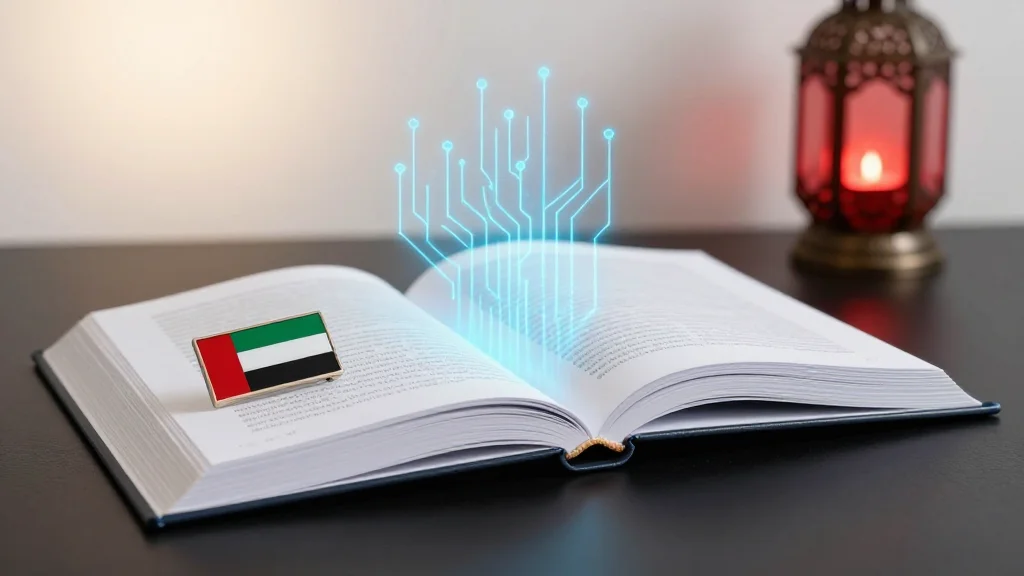
The Beijing International Book Fair’s emphasis on AI and licensing signals a turning point for global publishing. By institutionalizing AI showcases and a dedicated IP zone, the fair acknowledges that technology and rights management are now inseparable drivers of growth. For Western publishers, the event offers a rare gateway to China’s 300‑million‑strong adult reading audience, whose buying habits are increasingly shaped by short‑form video and algorithmic recommendations. Simultaneously, the focus on global licensing and the UAE’s Country of Honor status highlights a strategic pivot toward cross‑regional partnerships, potentially reshaping the flow of translation rights and ancillary content. If the AI pilots announced at BIBF prove scalable, they could accelerate the adoption of generative tools across editorial, marketing and distribution functions worldwide. This would not only reduce time‑to‑market for new titles but also enable more personalized reader experiences, reinforcing the shift toward data‑driven publishing ecosystems.
Key Takeaways
- •1,700 exhibitors from 82 countries will attend BIBF June 17‑21, 2026.
- •The fair debuts its first IP licensing zone and an Online Publishing Joint AI pavilion.
- •Content‑driven e‑commerce now makes up 40.53% of China’s retail book market, up 30.43% YoY.
- •Douyin book‑related uploads grew 100%, driving a 99% increase in orders.
- •Science and nature titles hold a 29% share of China’s children’s book market.
Pulse Analysis
The 40th anniversary of the Beijing International Book Fair arrives at a moment when AI is no longer a niche curiosity but a core operational tool for publishers. The fair’s AI pavilion is more than a showcase; it is a testing ground for workflows that could compress editorial cycles from months to weeks. Early adopters in Europe and North America are already experimenting with AI‑generated synopses and cover art, but China’s scale offers a unique proving‑ground where algorithmic recommendations can be measured against a massive, data‑rich readership. Successful pilots could set industry standards, prompting a wave of AI‑centric service providers targeting the global market.
Equally significant is the introduction of an IP licensing zone. Historically, foreign publishers have faced opaque processes when negotiating Chinese translation rights. By centralizing these negotiations, BIBF reduces friction and may encourage a surge in outbound licensing, especially for genres that have performed well on Douyin, such as sci‑fi, self‑help and AI‑focused nonfiction. The UAE’s role as Country of Honor further underscores a strategic diversification, hinting at a broader Middle‑East‑Asia publishing corridor that could redistribute market share away from traditional Western hubs.
Finally, the data on content‑driven e‑commerce and video‑centric discovery underscores a cultural shift: readers now prioritize emotional resonance and shareability over traditional gatekeeping. Publishers that can translate AI‑generated insights into bite‑size, platform‑optimized content will likely dominate the next wave of sales. The Beijing International Book Fair, by aligning its program with these trends, positions itself as a bellwether for how the global publishing ecosystem will evolve in the AI era.
Beijing International Book Fair Marks 40th Anniversary with AI, Licensing and Global Expansion
Comments
Want to join the conversation?
Loading comments...