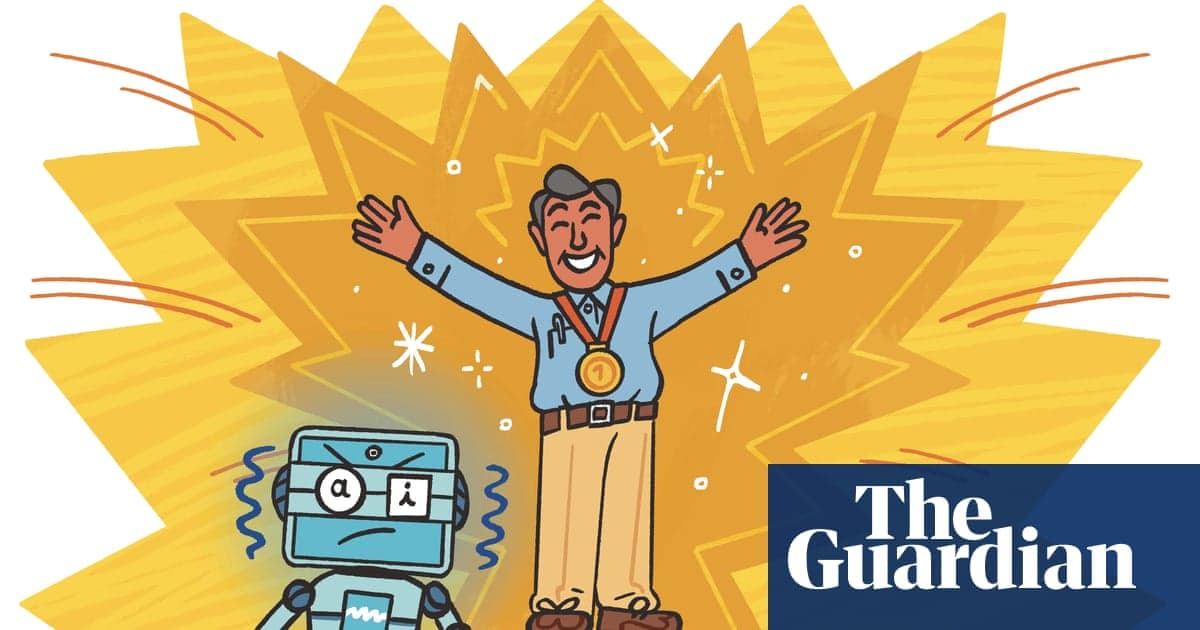
‘Being Human Helps’: Despite Rise of AI Is There Still Hope for Europe’s Translators?
Companies Mentioned
Why It Matters
The AI‑driven disruption rewrites the economics of translation, squeezing margins and forcing the industry to redefine human value in a market increasingly dominated by machines.
Key Takeaways
- •79% of European translators see AI as a job threat
- •Post‑editing rates fell to €0.60 per line (~$0.66), below traditional fees
- •Literary translation retains demand; 15% of German books in 2024 were translations
- •Publishers trial AI‑generated pulp translations, reserving human edit for higher‑value works
- •Human translators excel at context, dialogue, and creative nuance AI still misses
Pulse Analysis
The rise of large‑language‑model translators is reshaping Europe’s multilingual market. Recent surveys by ADAGP and the SGDL reveal that nearly eight‑in‑ten translators view AI as a direct threat, while British data shows 84% anticipate reduced demand and lower wages. Rates have plummeted: technical pages now fetch €2‑8 (≈$2.2‑$8.7) versus the historic €20‑30 per page, and post‑editing contracts hover around €0.60 per line (≈$0.66). These shifts are forcing many professionals, whose average annual earnings sit at €20,363 (≈$22,200), to supplement income with unrelated jobs, underscoring a precarious economic outlook.
Publishers are responding with hybrid models that blend machine speed with human finesse. Harlequin France, for instance, deploys AI to draft low‑stakes romance titles, then relies on human editors for quality control, preserving brand reputation while cutting costs. Meanwhile, large academic houses like Springer Nature continue to offer AI‑assisted translations but must intervene when contextual errors—such as mistranslating “capital” as “Hauptstadt”—surface. This post‑editing workflow, however, often proves as time‑intensive as full translation, eroding the expected efficiency gains and prompting debates over fair compensation structures.
Despite the efficiency drive, human translators retain irreplaceable strengths. Nuanced dialogue, cultural idioms, and literary flair remain beyond the reach of current algorithms, as highlighted by practitioners like Katy Derbyshire and Marco Trombetti. Their insights suggest that while AI can handle bulk technical content, the creative and interpretive layers of literature will continue to demand human expertise. Industry bodies are therefore advocating for protective clauses in contracts and diversified training programs to equip translators with both linguistic and AI‑post‑editing skills, ensuring the profession adapts rather than disappears.
‘Being human helps’: despite rise of AI is there still hope for Europe’s translators?
Comments
Want to join the conversation?
Loading comments...