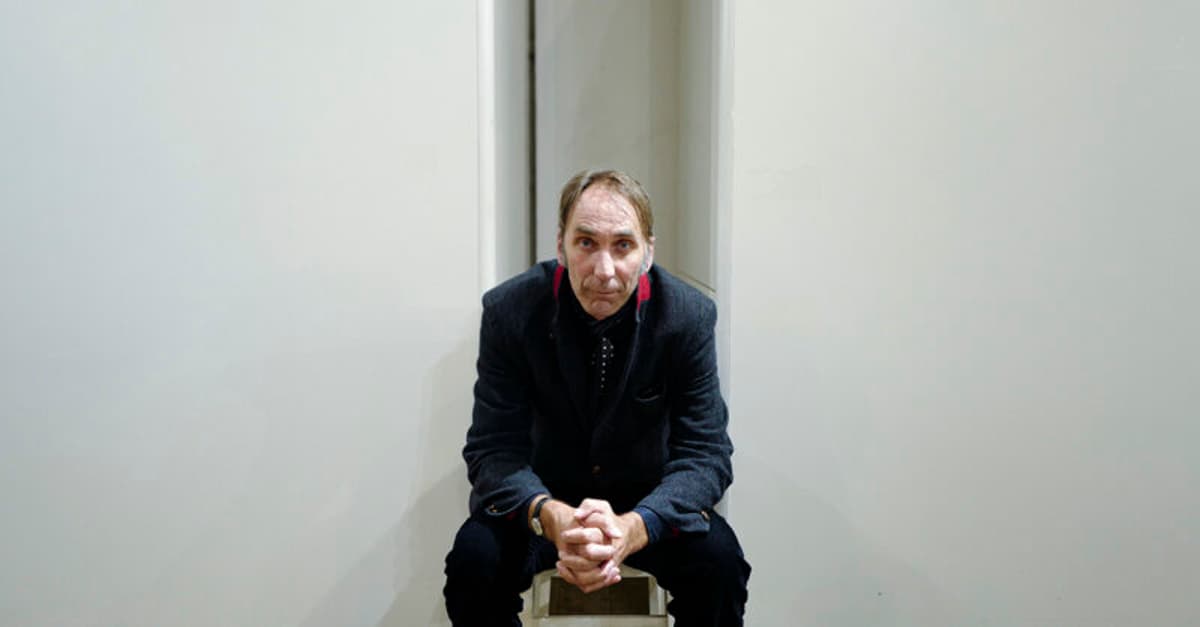
Blood Cancer Has Not Abated the Verbose, Sardonic, and Unpredictable Will Self’s Rage with the Literary World
•March 11, 2026
0
Companies Mentioned
Why It Matters
The announcement underscores how a prominent literary figure confronts mortality, potentially shaping his legacy and influencing contemporary discourse on illness in literature. It also signals a rare, high‑profile narrative that could affect publishing strategies for author‑centric memoirs and final‑work releases.
Key Takeaways
- •Will Self diagnosed with secondary myelofibrosis, a blood cancer
- •Writing "The Quantity Theory of Morality" as possible final book
- •Stem‑cell transplant odds described as low by Self
- •Author reflects on mortality through fictional self‑portrait
- •Book revisits themes from 1991 debut, linking past and present
Pulse Analysis
Will Self, known for his razor‑sharp satire and experimental prose, has been a fixture of British literature since the early 1990s. His debut, The Quantity Theory of Insanity, introduced a narrator whose mother dies of cancer, a motif that now mirrors Self’s own battle with secondary myelofibrosis, a rare blood disorder. The diagnosis, confirmed in early 2025, has limited his mobility and forced him to adopt strict infection controls, yet he continues to write from his South London flat. His candid discussion of stem‑cell transplant odds adds a stark medical realism to his public persona.
The forthcoming title, The Quantity Theory of Morality, is framed as a sequel that imagines a fictional Self succumbing to the same disease at age 64. By intertwining autobiography with fiction, he blurs the line between author and character, offering readers a meta‑commentary on ethics, mortality, and the creative process. Publishers have positioned the manuscript as a potential swan song, leveraging the narrative of a writer confronting his own demise to generate pre‑release buzz. Early excerpts suggest the book will revisit the dark humor and philosophical digressions that defined his earlier work, while confronting the immediacy of his health crisis.
Self’s situation highlights a growing trend where established authors use personal health struggles as literary material, creating marketable stories that resonate beyond traditional fiction audiences. The industry watches closely, as a high‑profile final work can drive sales, inspire companion memoirs, and influence rights negotiations for posthumous publications. Moreover, his openness may encourage other writers to address illness openly, enriching the cultural conversation around disease, aging, and creativity. For readers and scholars, the book promises a rare, unfiltered glimpse into the mind of a literary provocateur at the end of his creative arc.
Blood cancer has not abated the verbose, sardonic, and unpredictable Will Self’s rage with the literary world
0
Comments
Want to join the conversation?
Loading comments...