Why It Matters
The book reshapes how historians and the public view the interplay between personal advisers and autocratic decline, offering lessons on the fragility of centralized power.
Key Takeaways
- •Beevor argues Rasputin accelerated the Romanovs' collapse.
- •Book blends mythic image with rigorous archival research.
- •Review highlights regime failures beyond Rasputin's influence.
- •Narrative links personal adviser to broader autocratic vulnerabilities.
- •Becoming a bestseller, it revives public fascination with Russian history.
Pulse Analysis
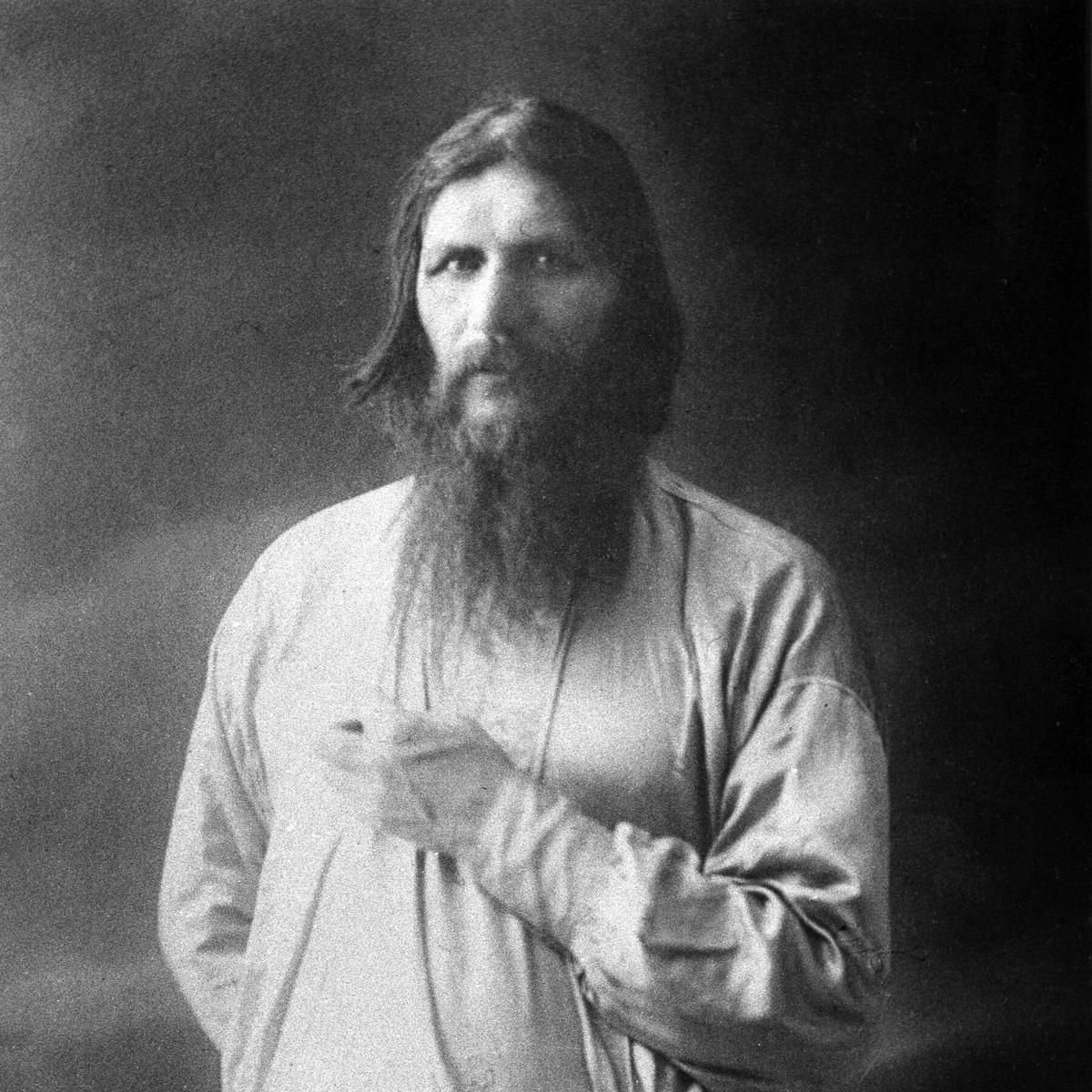
Antony Beevor, renowned for his battlefield histories, turns his meticulous eye to the enigmatic figure of Grigori Rasputin. In Rasputin: The Downfall of the Romanovs, he combines newly accessed Russian archives with a narrative flair that brings the early‑20th‑century court to life. By dissecting Rasputin’s rise from a Siberian mystic to a trusted confidant of Nicholas II and Alexandra, Beevor challenges the caricature of the "mad monk" and offers a nuanced portrait that appeals to both scholars and casual readers.
The biography situates Rasputin within the broader context of a failing autocracy. While Beevor acknowledges the adviser’s ability to sway the royal couple, he emphasizes that the Romanovs’ downfall was overdetermined by structural issues: war‑time mismanagement, economic strain, and a rigid hierarchy resistant to reform. This perspective aligns with recent historiographical trends that downplay single‑person causality in favor of systemic analysis, prompting a reassessment of how personal influence intersects with institutional decay.
For the modern business audience, the book serves as a cautionary tale about the dangers of over‑reliance on charismatic insiders in any organization. Beevor’s insights illustrate how unchecked advisory power can amplify existing vulnerabilities, a lesson applicable to corporate governance and political leadership alike. As the biography climbs bestseller lists, it underscores a sustained appetite for deep‑dive historical works that illuminate timeless themes of power, loyalty, and the perils of ignoring structural warning signs.
Book Review: ‘Rasputin’ by Antony Beevor
Comments
Want to join the conversation?
Loading comments...