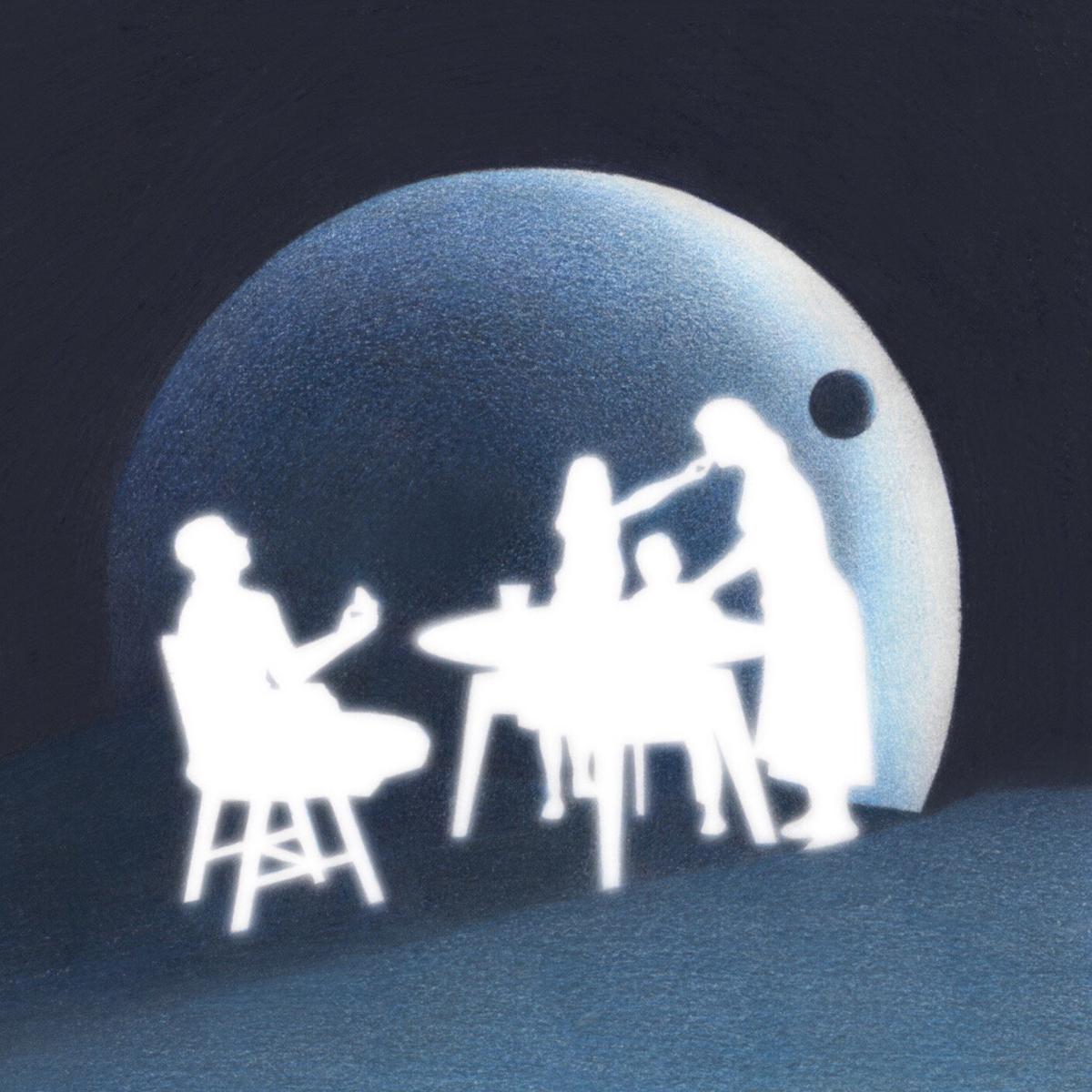
Book Review: ‘The Radiant Dark,’ by Alexandra Oliva
Why It Matters
The novel demonstrates how speculative fiction can humanize cutting‑edge scientific concepts, while also bringing mental‑health narratives into mainstream genre literature, signaling a shift toward more grounded, emotionally resonant sci‑fi.
Key Takeaways
- •Novel blends 1980s setting with realistic alien contact timeline
- •Focuses on postpartum depression, grounding sci‑fi in human struggle
- •Slow‑burn narrative emphasizes patience of interstellar communication
- •Explores societal reaction to confirmed extraterrestrial life
- •Author’s character work outshines typical space‑opera spectacle
Pulse Analysis
Oliva’s *The Radiant Dark* stands out for its scientific fidelity. By anchoring the first confirmed contact to Ross 128 b—a real exoplanet discovered in 2015—the novel respects the 11‑year light‑travel delay, making the interstellar dialogue a patient, almost meditative process. This realism appeals to readers who crave plausible futures, differentiating the book from fast‑paced alien‑invasion thrillers and aligning it with works that treat space as a vast, time‑stretched frontier.
Beyond the cosmic backdrop, the narrative’s core is Carol Girard’s struggle with postpartum depression, a condition often under‑represented in genre fiction. Oliva weaves her mental‑health journey into the fabric of daily life, showing how personal turmoil can coexist with epoch‑defining events. This juxtaposition offers readers a relatable anchor, inviting empathy and broader conversations about maternal health, while also proving that sci‑fi can explore intimate psychological landscapes without sacrificing scope.
The book arrives at a moment when the market favors hybrid stories that blend hard science with deep character work. Publishers are increasingly scouting titles that can attract both traditional sci‑fi fans and literary audiences seeking emotional authenticity. *The Radiant Dark* exemplifies this trend, positioning itself for strong crossover appeal and potential adaptation. Its measured pacing and thematic depth may also influence upcoming projects, encouraging creators to prioritize realistic astrophysics and nuanced human experiences over spectacle alone.
Book Review: ‘The Radiant Dark,’ by Alexandra Oliva
Comments
Want to join the conversation?
Loading comments...