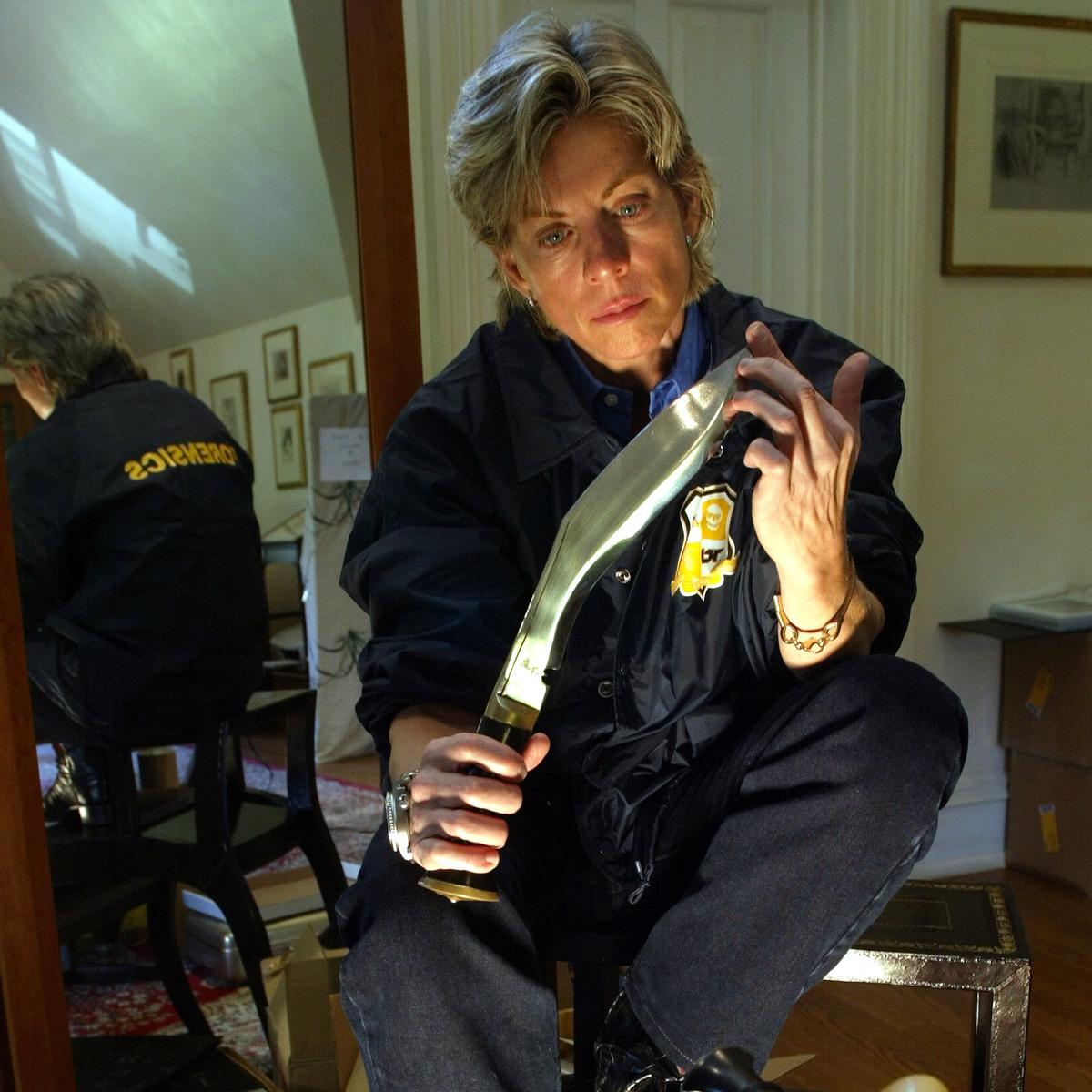
Book Review: ‘True Crime,’ by Patricia Cornwell
Why It Matters
The memoir reveals how Cornwell’s forensic obsession and elite connections shaped the true‑crime genre, underscoring the cultural cachet of crime storytelling in both literature and media.
Key Takeaways
- •Memoir reveals Cornwell’s early fascination with forensic science.
- •Includes anecdotes with George H.W. Bush, Orrin Hatch, and Bill Clinton.
- •Details unsettling childhood incidents that shaped her narrative voice.
- •Discusses Hollywood interest, Nicole Kidman eyed for Kay Scarpetta.
- •Highlights Cornwell’s meticulous research methods applied to personal storytelling.
Pulse Analysis
Patricia Cornwell’s transition from bestselling forensic novels to memoir reflects a broader trend where genre authors leverage personal narratives to deepen brand equity. By weaving her meticulous research habits—once used to test corpse oxidation—into recollections of childhood oddities, she offers a rare glimpse into the psychological roots of her storytelling. This crossover appeals to readers who crave authenticity behind the sensationalism of true‑crime, reinforcing the genre’s legitimacy beyond tabloids and TV dramatizations.
The memoir’s roster of political and entertainment figures—George H.W. Bush, Orrin Hatch, Bill Clinton, and a potential Nicole Kidman casting—illustrates how crime writers can become cultural connectors. Such high‑profile interactions amplify Cornwell’s influence, positioning her as a conduit between the forensic world and mainstream media. The anecdotes also serve as a barometer for the era’s fascination with celebrity‑driven crime narratives, highlighting how personal networks can shape public perception of criminal justice stories.
Cornwell’s blend of Southern‑Gothic imagery with forensic precision creates a distinctive narrative voice that may inspire a new wave of memoirs from genre specialists. By exposing the oddities of her upbringing—cool‑whip perfume pies and unsettling childhood experiments—she humanizes the often‑detached image of the crime‑writer, inviting readers to explore the interplay between trauma, curiosity, and creative output. As the true‑crime market expands across podcasts, streaming, and literature, Cornwell’s memoir underscores the commercial and artistic value of authentic, behind‑the‑scenes storytelling.
Book Review: ‘True Crime,’ by Patricia Cornwell
Comments
Want to join the conversation?
Loading comments...