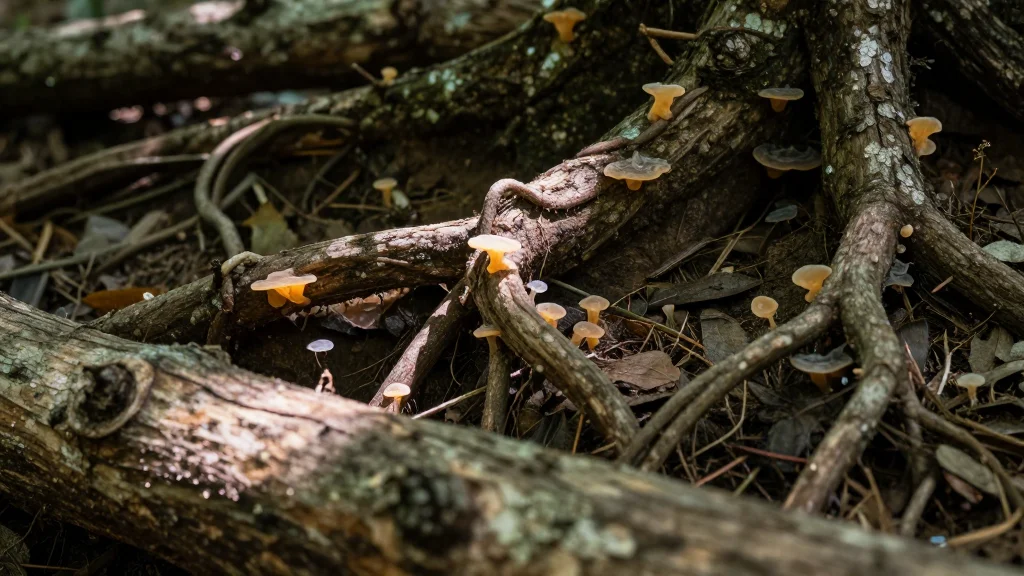
Book Review: ‘When the Forest Breathes,’ by Suzanne Simard
Why It Matters
The work challenges entrenched research paradigms and urges policymakers to integrate Indigenous knowledge for more effective forest‑carbon strategies. Its message could reshape how scientists communicate urgency around climate change.
Key Takeaways
- •Simard blends forest ecology with Indigenous stewardship principles.
- •Book highlights tree communication via fungal networks and carbon storage.
- •Critics accuse her of overstating cooperation, fearing loss of scientific rigor.
- •Indigenous‑managed lands rank among most biodiverse, carbon‑rich forests.
- •Calls for bolder, narrative‑driven science to influence climate action.
Pulse Analysis
Simard’s latest title builds on the breakthrough ideas that made *Finding the Mother Tree* a bestseller, weaving together peer‑reviewed research on mycorrhizal networks with the worldview of First Nations forest managers. By framing trees as active participants in a shared underground commons, she underscores how these connections enhance carbon sequestration and biodiversity—key metrics for climate mitigation. The narrative bridges a gap between hard data and cultural wisdom, offering a template for interdisciplinary collaboration that could inform forest‑policy frameworks across North America.
The scientific community’s pushback centers on concerns that Simard’s language blurs the line between observation and storytelling. Critics argue that emphasizing cooperation downplays competition, a fundamental driver of ecosystem dynamics. Yet recent field experiments confirm that mature "mother trees" can redistribute nutrients and water to younger saplings, bolstering forest resilience under stress. Moreover, studies of Indigenous‑held territories consistently show higher carbon density and species richness than adjacent logged areas, lending empirical weight to Simard’s call for broader adoption of holistic management practices.
Beyond ecology, the book raises a strategic question for climate communicators: how to make complex science compelling enough to drive policy change. Simard suggests that scientists must abandon timid, jargon‑heavy briefs in favor of narratives that resonate with public values and Indigenous ethics. If research institutions and funding agencies embrace this shift, they could accelerate the deployment of nature‑based solutions, from protecting old‑growth stands to restoring fungal networks, ultimately delivering measurable climate benefits while honoring the cultural heritage of the lands they aim to protect.
Book Review: ‘When the Forest Breathes,’ by Suzanne Simard
Comments
Want to join the conversation?
Loading comments...