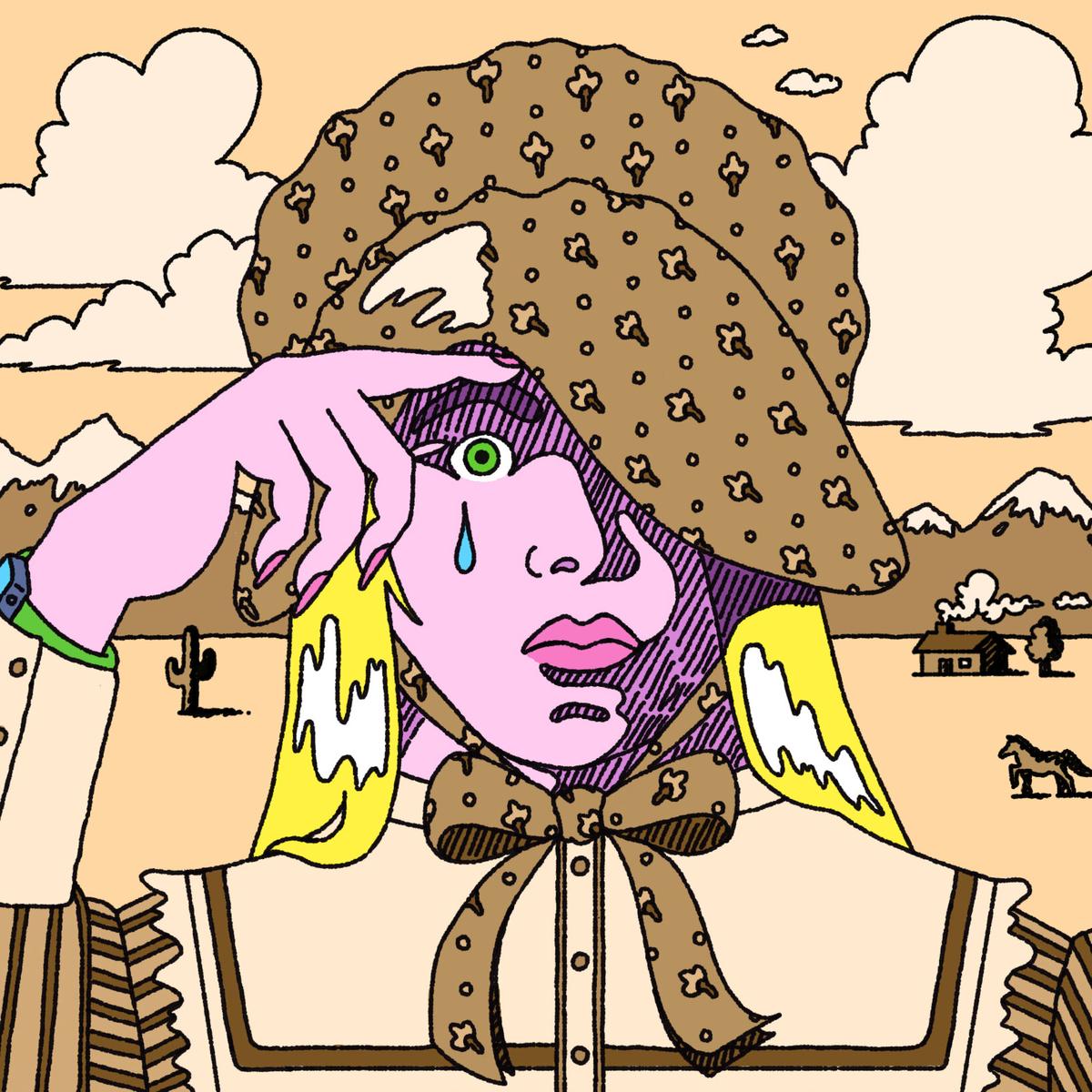
Book Review: ‘Yesteryear,’ by Caro Claire Burke
Why It Matters
The story spotlights how influencer culture can mask harmful ideologies and personal dysfunction, prompting broader conversations about authenticity and the political co‑optation of nostalgic branding.
Key Takeaways
- •Tradwife influencer's curated life masks underlying dysfunction
- •Anne Hathaway attached to film adaptation, boosting visibility
- •Book critiques social media's idealized domestic narratives
- •White nationalist groups co-opt traditionalist imagery for propaganda
- •Reverse-renovated farm symbolizes rejection of modern conveniences
Pulse Analysis
The rise of the "tradwife" archetype reflects a broader societal yearning for an imagined past, yet *Yesteryawn* pulls back the curtain to reveal the contradictions embedded in that fantasy. By portraying Natalie Heller Mills’ meticulously staged farm life, Burke interrogates how digital platforms commodify domesticity, turning personal choices into marketable content. This critique aligns with recent academic studies that link influencer‑driven nostalgia to consumerist cycles, suggesting that the allure of simplicity often masks underlying labor, environmental, and ethical concerns.
The novel’s swift transition to a major motion picture, anchored by Anne Hathaway’s involvement, underscores the commercial appetite for stories that blend retro aesthetics with contemporary controversy. Hathaway’s star power not only guarantees box‑office attention but also amplifies the conversation around the cultural impact of tradwife narratives. Industry analysts predict that the adaptation will spark renewed media scrutiny, potentially influencing how streaming services and studios evaluate projects that intersect lifestyle branding with sociopolitical undercurrents.
Beyond entertainment, *Yesteryawn* serves as a case study in the politicization of nostalgia. White‑nationalist groups have already appropriated the tradwife image, leveraging it as a symbol of an exclusionary "American dream." This co‑optation raises urgent questions about the responsibility of creators, platforms, and audiences in curbing extremist messaging. As brands continue to mine nostalgic tropes for engagement, the novel’s cautionary lens offers a timely reminder: authenticity must be measured against the broader societal narratives it may unintentionally reinforce.
Book Review: ‘Yesteryear,’ by Caro Claire Burke
Comments
Want to join the conversation?
Loading comments...