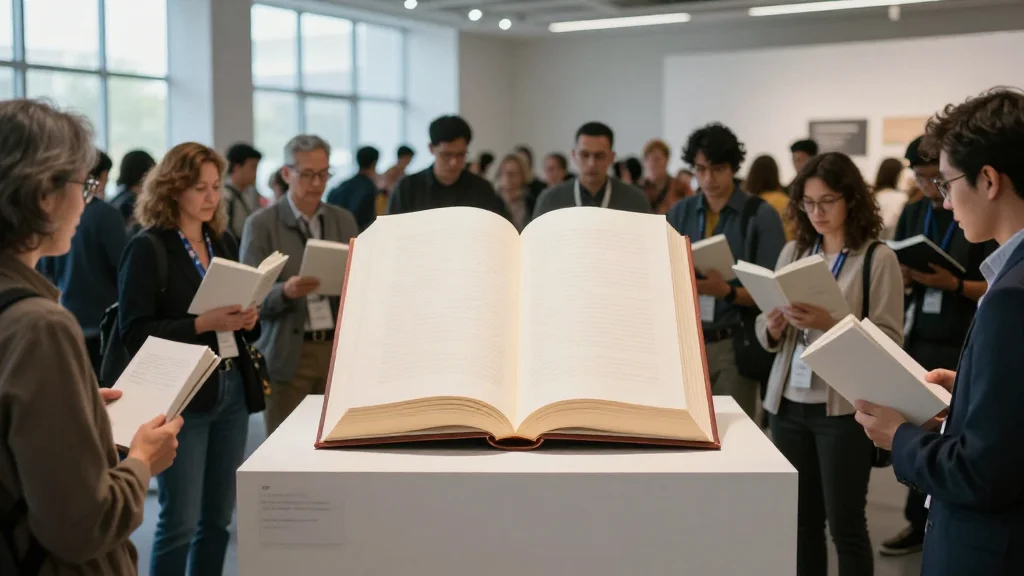
BookCon’s Return Sparks a New ‘Reading’ Fandom, Redefining Literary Culture

Why It Matters
The emergence of a reading‑centric fandom signals a fundamental change in how audiences connect with books. By moving from solitary consumption to collective celebration, readers are creating new demand signals that publishers can tap into for titles, formats, and marketing tactics. This shift also challenges traditional genre‑based marketing, encouraging a more holistic approach that emphasizes the act of reading itself. For retailers and event organizers, the trend offers a blueprint for monetizing fan experiences beyond conventional author signings. Merchandise, immersive installations, and cross‑genre panels can generate new revenue streams while deepening brand loyalty among a community that now sees reading as a shared identity rather than a private pastime.
Key Takeaways
- •BookCon’s first post‑pandemic event attracted roughly 25,000 attendees.
- •Print book sales rose 8% in 2020 and have continued steady growth since 2021.
- •Social‑media platforms have become primary drivers of book discovery and sales.
- •Kristina Rogers highlighted the shift from solitary reading to a massive in‑person gathering.
- •Publishers may adopt hybrid marketing models that blend influencer hype with live events.
Pulse Analysis
The rise of a reading‑first fandom reflects a broader cultural moment where community and consumption intersect. Historically, fandoms have coalesced around specific franchises—Star Wars, Harry Potter, Marvel—creating ecosystems of merchandise, conventions, and fan‑generated content. What we see at BookCon is a diffusion of that model: the fandom is no longer anchored to a single narrative universe but to the act of reading itself. This democratization could level the playing field for smaller presses and indie authors, as the collective enthusiasm is genre‑agnostic.
From a market perspective, the hybridization of digital buzz and physical events offers publishers a more resilient promotional pipeline. Social media can generate rapid, viral interest, but the conversion to sales often stalls without tangible experiences. BookCon demonstrates that when digital communities are given a physical stage, the resulting energy can translate into measurable sales lifts, as evidenced by the sustained print growth post‑2020. Publishers that can orchestrate seamless transitions—from a TikTok trend to a BookCon panel—will likely capture a larger share of the expanding reader base.
Looking forward, the reading fandom may catalyze new content formats. Serialized storytelling, interactive e‑books, and community‑driven narrative extensions could become standard offerings, mirroring how fanfiction ecosystems have already reshaped genre expectations. As the line between creator and consumer blurs, the publishing industry must adapt its acquisition, editorial, and marketing strategies to accommodate a readership that sees itself as an active participant in the literary conversation, not merely a passive audience.
BookCon’s Return Sparks a New ‘Reading’ Fandom, Redefining Literary Culture
Comments
Want to join the conversation?
Loading comments...