Companies Mentioned
Why It Matters
The surge of mindfulness‑based literature reflects growing demand for evidence‑based well‑being solutions across businesses, healthcare, and public institutions, reshaping how organizations address mental health and cultural change.
Key Takeaways
- •Solnit frames societal progress as seeds blossoming into systemic change
- •Bush’s memoir links Eastern spirituality to corporate mindfulness programs
- •CBCT expands from campuses to hospitals, police, and Fortune‑500 firms
- •Mays demonstrates loving‑kindness practice inside Rikers Island jail
- •Skymind blends ancient Tibetan teachings with modern open‑awareness training
Pulse Analysis
The past year has seen mindfulness and Buddhist‑derived practices move from niche circles into the mainstream, driven by a measurable rise in corporate wellness budgets and a 12% annual growth in the global meditation market. Executives are turning to evidence‑based frameworks like Cognitively Based Compassion Training (CBCT) to boost employee engagement, while investors note that firms offering such programs often outperform peers on retention and productivity metrics.
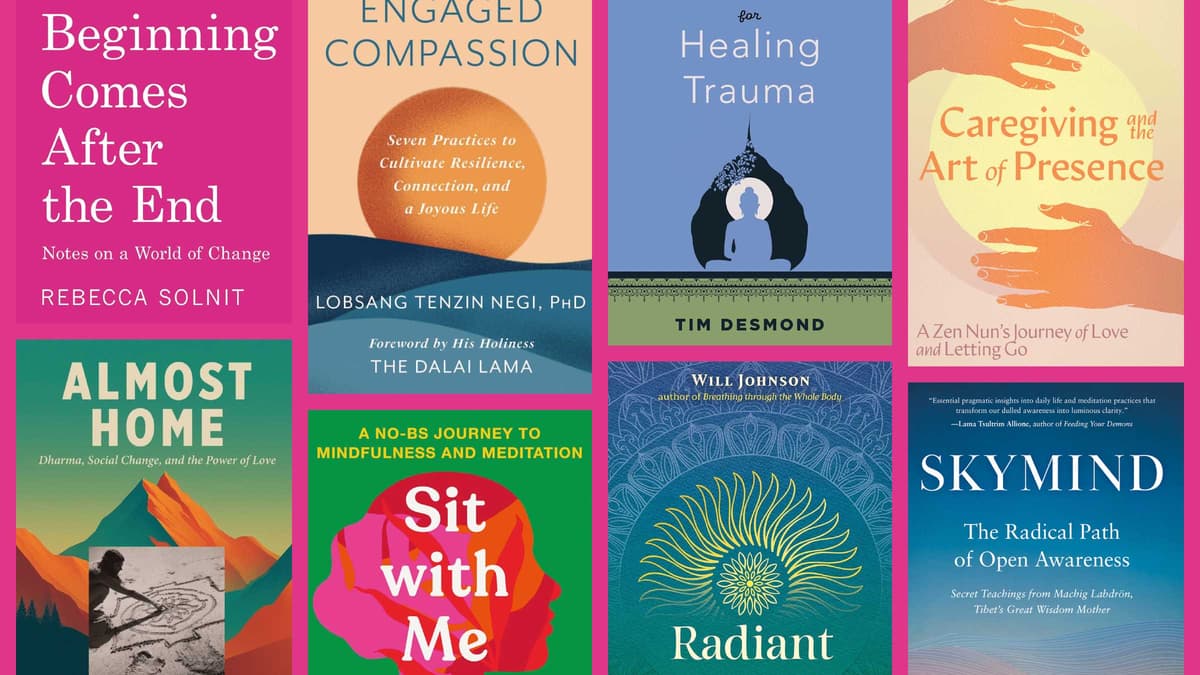
New releases such as Solnit’s “The Beginning Comes After the End” and Bush’s “Almost Home” illustrate how spiritual traditions are being repackaged for a business audience, highlighting case studies from Google, Monsanto, and even correctional facilities like Rikers Island. The books also underscore a shift toward secular, science‑backed compassion curricula that blend Eastern philosophy with Western psychology, a trend echoed in Negi’s “Engaged Compassion” and Desmond’s trauma‑focused guide.
For industry leaders, these developments signal a strategic advantage: integrating contemplative practices can reduce burnout, improve decision‑making, and foster inclusive cultures. As mindfulness tools become more data‑driven, companies are likely to adopt them at scale, influencing everything from HR policies to product design. The growing literary ecosystem not only documents this evolution but also provides actionable roadmaps for organizations seeking sustainable, human‑centered growth.
Books in Brief: July 2026
Comments
Want to join the conversation?
Loading comments...