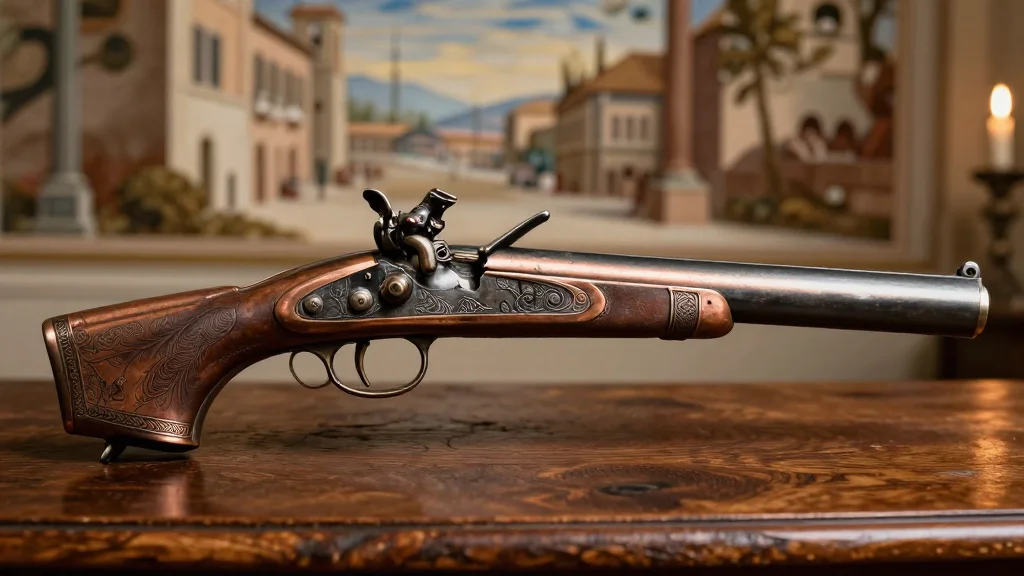
Catherine Fletcher on The Firearm Revolution
Why It Matters
Understanding centuries‑old patterns of technology regulation helps policymakers anticipate the pitfalls of lagging legislation, whether for firearms or AI, and informs current debates on public safety and domestic arms production.
Key Takeaways
- •Early wheellocks enabled concealed carry in 1520s Europe
- •Sixteenth‑century governments banned hidden guns but struggled to enforce
- •Historical gun policy lag mirrors today's AI regulation challenges
- •Venice's export licence system created early grey‑market arms trade
- •Indigenous accounts in the Florentine Codex offer rare early firearm perspectives
Pulse Analysis
The release of *The Firearm Revolution* arrives at a moment when scholars and legislators alike are re‑examining the roots of modern gun culture. Fletcher’s research uncovers how the wheellock—an early self‑igniting firearm—sparked concealed‑carry concerns in the 1520s, prompting bans that were unevenly applied across Europe. By cataloguing household accounts, export licences, and even a sixteenth‑century Benin bronze, she demonstrates that firearms have long been entangled with commerce, warfare, and everyday life, challenging the notion that today’s gun issues are purely contemporary.
Fletcher’s narrative draws a direct line from historic policy inertia to present‑day regulatory gaps in fast‑moving technologies. She notes that governments historically tried to balance militia training with civilian safety, yet legislation consistently trailed innovation—a pattern echoed in today’s AI oversight debates. The book’s comparative lens suggests that once a technology proliferates beyond state control, reversing its diffusion becomes exceedingly difficult, underscoring the urgency for proactive, adaptable legal frameworks.
For modern policymakers, the book offers cautionary lessons about domestic arms industries and grey‑market trade, echoing Venice’s early export licence system that both regulated and inadvertently fostered illicit sales. By contextualizing current U.S. gun‑control litigation and European post‑conflict disarmament discussions within a broader historical continuum, Fletcher equips readers with a nuanced understanding of how societies negotiate the dual imperatives of security and liberty. This perspective is vital for crafting balanced policies that address both public safety and the economic realities of the arms sector.
Catherine Fletcher on The Firearm Revolution
Comments
Want to join the conversation?
Loading comments...