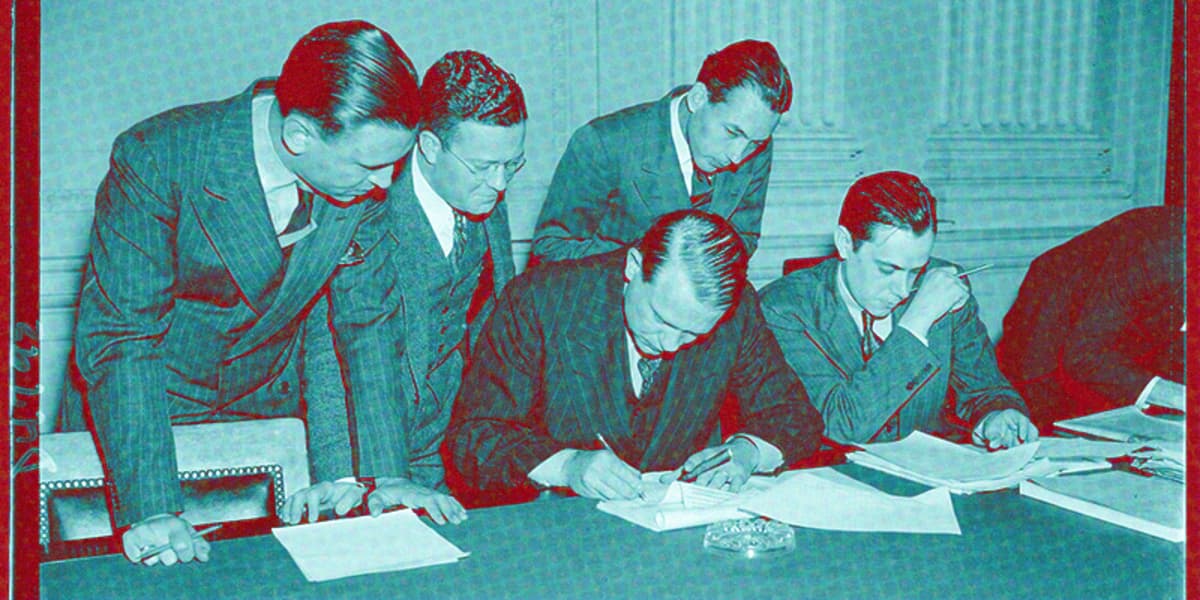
Con Lehane On Writing a Red Scare Noir Against a Backdrop of Rising Oppression
Why It Matters
The novel spotlights how historical repression echoes modern assaults on free speech, labor rights, and due process, reminding policymakers and readers that institutional betrayals can recur if unchecked.
Key Takeaways
- •Novel set in 1950s anti‑Communist hysteria, featuring private eye Mick Mulligan
- •Author draws on personal cab‑driver strike experience for plot authenticity
- •Story highlights institutional betrayal of civil liberties during Red Scare
- •Parallels drawn between 1950s witch hunts and today’s political repression
- •Book serves as cautionary tale about integrity amid societal pressure
Pulse Analysis
Lehane’s *The Red Scare Murders* taps into a rich vein of red‑scare fiction, using a gritty noir framework to explore the climate of suspicion that defined post‑World War II America. By anchoring the narrative in a real‑world cab‑driver strike and a personal story of romantic deception, the author adds authenticity that resonates with readers familiar with labor history. The novel’s protagonist, Mick Mulligan, embodies the conflicted investigator forced to navigate a legal system weaponized against dissent, a scenario that mirrors contemporary debates over the balance between national security and civil liberties.
Beyond its historical setting, the book functions as a commentary on today’s political environment, where accusations of disloyalty and attempts to silence dissent echo the tactics of the 1950s. Critics have noted that the novel’s depiction of government collusion with organized crime to suppress left‑leaning unions foreshadows modern concerns about executive overreach, media polarization, and the erosion of independent institutions. By drawing these parallels, Lehane invites readers to consider how fragile democratic norms can become when elite interests prioritize control over constitutional rights.
For the publishing market, politically charged fiction like Lehane’s offers both commercial appeal and cultural relevance. As audiences seek narratives that reflect current anxieties about authoritarianism and labor rights, titles that blend historical insight with contemporary resonance are poised for strong sales and critical attention. *The Red Scare Murders* thus serves not only as entertainment but also as a cautionary lens, urging citizens and policymakers alike to safeguard integrity and resist the allure of conformity in an increasingly polarized landscape.
Con Lehane On Writing a Red Scare Noir Against a Backdrop of Rising Oppression
Comments
Want to join the conversation?
Loading comments...