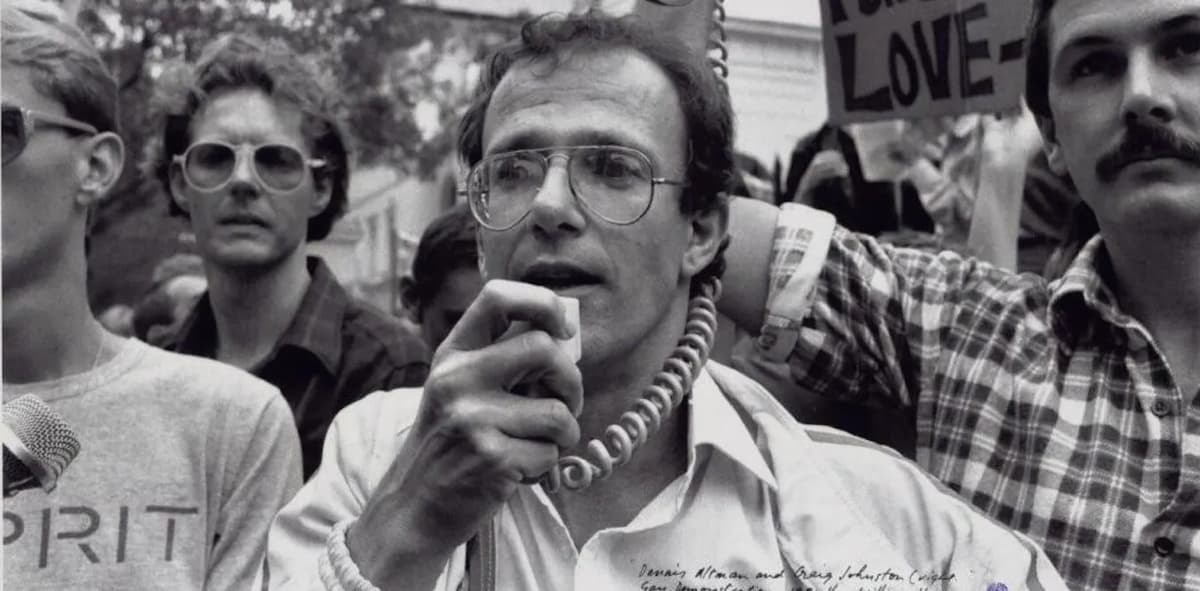
Dennis Altman Urges Us to Radically Reimagine the Future – Like He Did in the 60s
Why It Matters
Altman’s reflections expose the gap between Pride’s commercial success and its original radical agenda, urging policymakers and activists to pursue deeper systemic change. The analysis is a timely reminder that LGBTQIA+ rights remain intertwined with broader struggles for equity and democratic resilience.
Key Takeaways
- •Sydney Mardi Gras now major tourism revenue generator
- •Altman's anthology chronicles half‑century LGBTQ+ activism
- •Pride's shift shows tension between celebration and commodification
- •Altman urges radical social re‑imagining beyond market capitalism
- •Global threats demand solidarity beyond gay liberation
Pulse Analysis
Dennis Altman’s Righting My World offers a rare longitudinal view of gay liberation, tracing its roots in 1960s New York counter‑culture to its present‑day incarnation in Australia’s flagship Pride event. By weaving personal memoir with scholarly critique, Altman demonstrates how early activist networks seeded today’s legal victories, such as marriage equality, while also exposing the lingering gaps in historical narratives that often erase queer contributions. His anthology serves as both a historical record and a call to re‑examine the ideological foundations of contemporary LGBTQIA+ movements.
The evolution of Sydney’s Mardi Gras epitomizes the commercialization of queer culture. Once a flashpoint of police arrests and media shaming in 1978, the parade now draws hundreds of thousands of tourists, generates significant local revenue, and enjoys official endorsements—from government buses bearing rainbow logos to the flag flying over Town Hall. Yet this visibility masks a growing tension: activists warn that Pride risks becoming a marketing slogan, diluting its radical roots in favor of corporate sponsorships and sanitized celebrations. The debate underscores a broader challenge for social movements seeking mainstream acceptance without surrendering their transformative edge.
Altman’s broader thesis extends beyond LGBTQIA+ rights, urging a systemic re‑imagining of societal structures. He critiques neoliberal university governance, restrictive visa regimes, and the rise of authoritarianism in global powers, arguing that true liberation must confront entrenched privilege and power concentration. Emerging currents like solarpunk illustrate how speculative design and activism can fuse sustainability with social justice, offering a template for the next wave of radical change. For policymakers, investors, and cultural leaders, Altman's insights highlight the necessity of aligning economic growth with genuine equity, ensuring that the spirit of the 1960s counter‑culture informs future policy and public discourse.
Dennis Altman urges us to radically reimagine the future – like he did in the 60s
Comments
Want to join the conversation?
Loading comments...