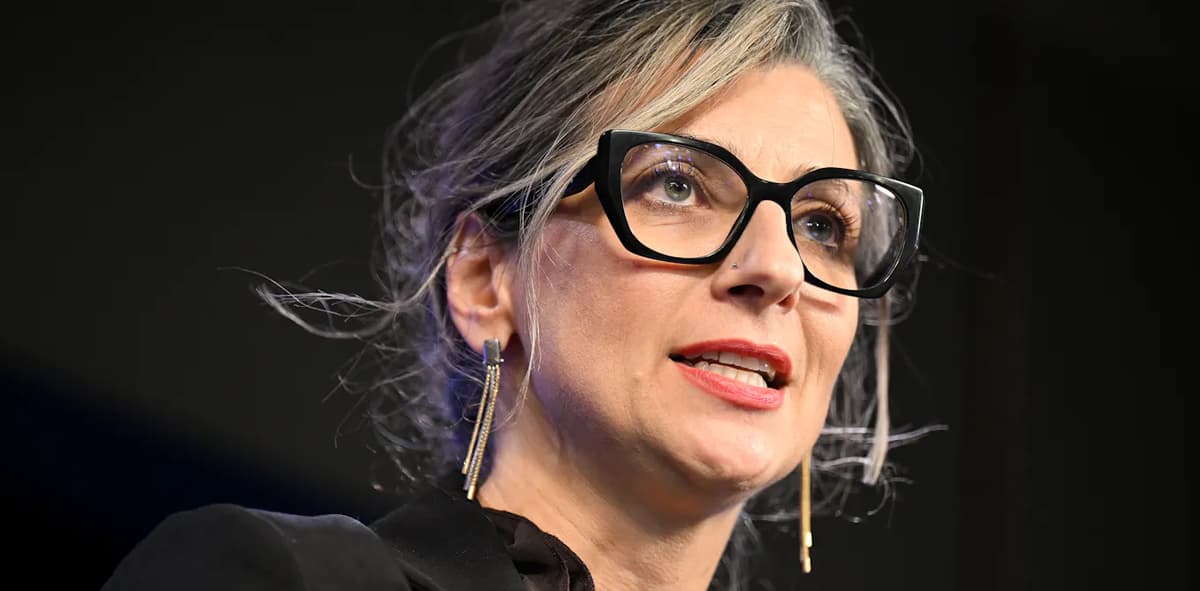
Dignity and Resolve: Francesca Albanese’s When the World Sleeps Humanises Palestinian Lives
Why It Matters
The sanction signals a stark escalation in U.S. pressure on UN human‑rights mechanisms, potentially chilling independent reporting on Israel‑Palestine. Albanese’s book amplifies Palestinian voices, shaping public debate and influencing policy discussions around international law and accountability.
Key Takeaways
- •US Treasury sanctions UN rapporteur Francesca Albanese, freezing her US assets.
- •Albanese’s book “When the World Sleeps” shares ten Palestinian personal stories.
- •Book highlights alleged genocide and apartheid under Israel’s 60‑year occupation.
- •Over 700,000 Israeli settlers live in West Bank, 250,000 near East Jerusalem.
Pulse Analysis
The U.S. Treasury’s decision to label UN Special Rapporteur Francesca Albanese as a specially designated national marks an unprecedented move against a UN human‑rights official. By freezing her U.S. assets and prohibiting American firms from engaging with her, Washington has effectively weaponized economic power to silence a vocal critic of Israel’s policies in the occupied territories. This action reflects a broader trend of politicizing international human‑rights mechanisms, raising concerns about the independence of UN reporting and the ability of advocates to operate without fear of retaliation.
Albanese’s latest publication, When the World Sleeps, offers a stark counter‑narrative to mainstream media portrayals of the Israel‑Palestine conflict. Through ten meticulously documented stories—from the tragic death of six‑year‑old Hind Rajab to the daily hardships of Palestinians navigating checkpoints in Jerusalem—the book humanizes a population often reduced to statistics. By framing the occupation as a form of apartheid and, in some instances, genocide, Albanese challenges entrenched diplomatic narratives and invites readers to reconsider the moral calculus of the conflict, especially in light of the International Court of Justice’s 2024 ruling deeming West Bank settlements illegal.
The convergence of sanctions and a high‑profile literary effort underscores the escalating stakes for international law and advocacy. With more than 700,000 Israeli settlers entrenched in the West Bank and 250,000 surrounding East Jerusalem, the demographic realities intensify calls for accountability. Albanese’s dual role—as a sanctioned UN official and a storyteller—highlights the limits of diplomatic pressure when legal avenues stall. For policymakers, investors, and NGOs, the episode serves as a reminder that human‑rights credibility and geopolitical strategy are increasingly intertwined, and that silencing dissent may backfire by amplifying the very narratives it seeks to suppress.
Dignity and resolve: Francesca Albanese’s When the World Sleeps humanises Palestinian lives
Comments
Want to join the conversation?
Loading comments...