Elaine Scarry Says Pain Unmakes Language. Jan Steyn, Begs to Differ — or at Least Keeps Translating and Typing
•March 11, 2026
0
Why It Matters
Understanding gout’s epidemiology and its cultural framing informs both public health strategies and translation studies, highlighting how embodied experience influences linguistic production.
Key Takeaways
- •Gout affects 1‑2% of adults, higher in men over 30.
- •Genetics cause two‑thirds of gout cases, not just diet.
- •Translators confront bodily pain while shaping language.
- •Cultural idioms frame gout differently across societies.
- •La Fontaine’s fable links gout and spider as moral allegory.
Pulse Analysis
Gout remains a pervasive inflammatory arthritis, striking roughly one to two percent of adults worldwide. Modern research shows that about 66% of cases stem from inherited inefficiencies in uric‑acid excretion, while dietary purines account for the remainder. The condition disproportionately burdens men over thirty, post‑menopausal women, and specific ethnic groups such as Māori men and Black Americans in the United States. These demographic patterns underscore the need for targeted screening and preventive measures that go beyond lifestyle advice, emphasizing genetic counseling and early pharmacologic intervention to curb the disease’s socioeconomic toll.
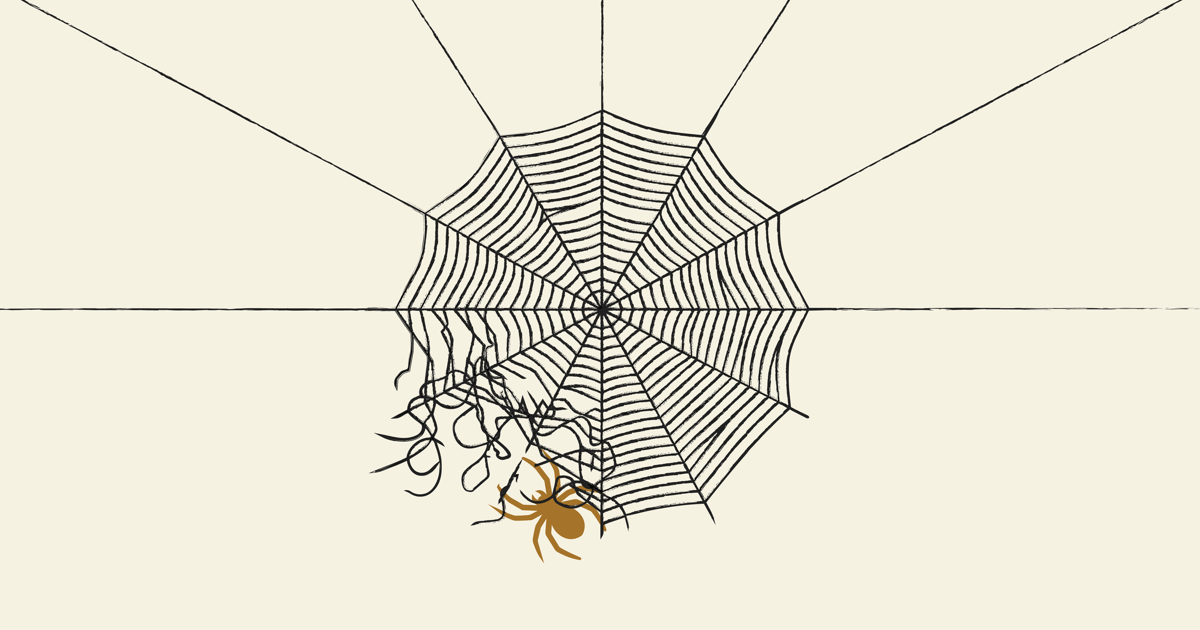
Beyond the clinic, gout has long inhabited cultural imagination, serving as a metaphor for excess, moral judgment, and social status. Literary works like La Fontaine’s "La Goutte et l’Araignée" personify the ailment alongside a spider, weaving a moral fable that critiques vanity and complacency. The essay’s Afrikaans translation revives an 1898 version, illustrating how languages adapt the disease’s symbolism to local idioms—"jig" in Afrikaans evokes both a lively dance and the painful affliction. Such translations reveal the fluidity of medical metaphors across cultures, reminding scholars that disease narratives are as much linguistic constructs as physiological realities.
For translators, the embodied experience of gout becomes a lens through which language is negotiated. Chronic pain sharpens awareness of bodily sensations, influencing word choice, rhythm, and tone in the target text. This convergence of somatic reality and linguistic creativity highlights the concept of embodied cognition: the body does not merely endure language; it actively shapes it. Recognizing this interplay can enrich translation pedagogy, encouraging practitioners to acknowledge their physical states as integral to the interpretive process, and prompting broader discussions about health, identity, and the power of words.
Elaine Scarry says pain unmakes language. Jan Steyn, begs to differ — or at least keeps translating and typing
0
Comments
Want to join the conversation?
Loading comments...