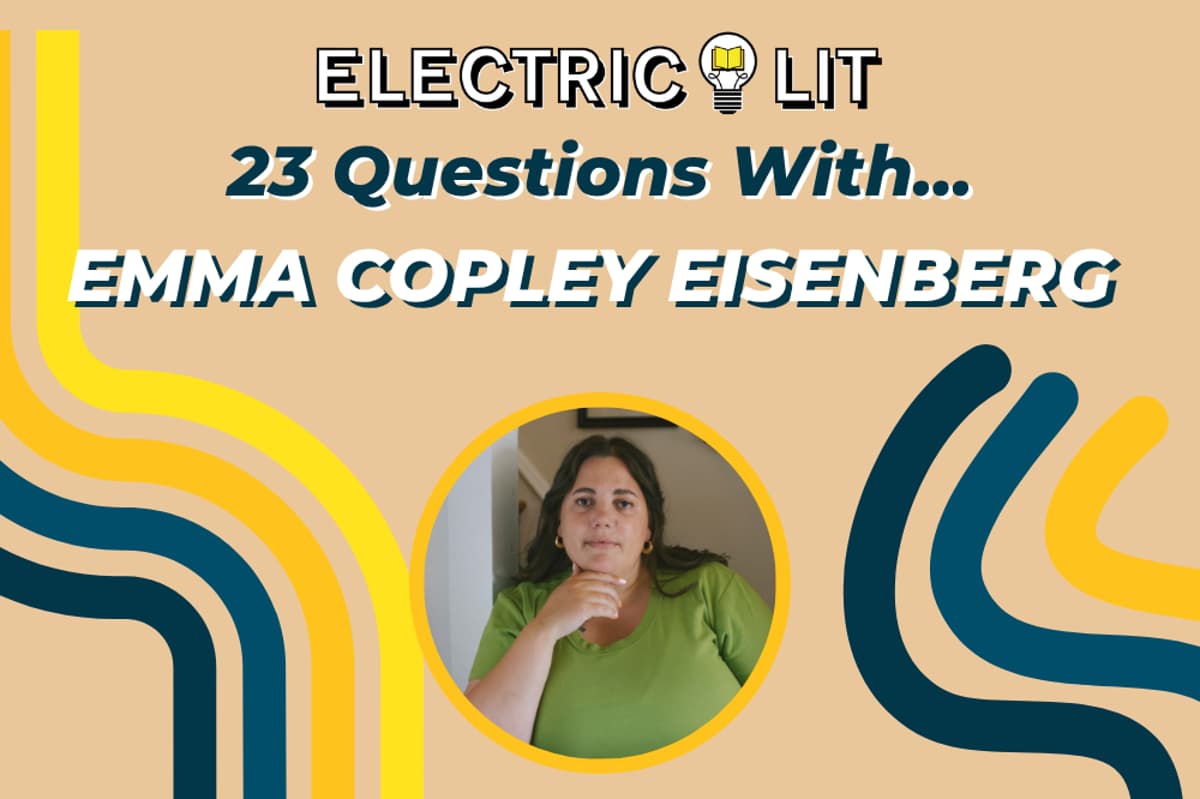
Emma Copley Eisenberg Is Tired of the Plot Police
Companies Mentioned
Why It Matters
Eisenberg’s stance reshapes expectations for narrative structure, encouraging publishers to value diverse character‑driven work. Her insights highlight the ongoing need for editorial investment in under‑represented voices.
Key Takeaways
- •Eisenberg's *Fat Swim* presents ten visceral stories centered on bodies.
- •She challenges 'plot police' by emphasizing character-driven narrative over incident count.
- •Advocates early-morning writing rituals to harness 'dawn brain' creativity.
- •Highlights need for editors with time, praising their transformative role.
- •Recommends reading classics like *Princess Furball* and *Anne of Green Gables*.
Pulse Analysis
Emma Copley Eisenberg’s *Fat Swim* arrives at a moment when literary conversations around body representation are gaining momentum. The collection’s ten stories treat the human body not merely as a backdrop but as an active setting where desire, hunger, and loss intersect. By refusing to sanitize fatness, Eisenberg joins a growing cohort of authors who foreground marginalized experiences, offering readers a nuanced lens that challenges entrenched fatphobic narratives in mainstream publishing.
Beyond the pages, Eisenberg’s interview reveals a disciplined creative process rooted in early‑morning “dawn brain” sessions, longhand drafting, and a willingness to embrace “shitty first drafts.” She pushes back against the ubiquitous demand for overt plot structures, arguing that a story’s propulsion often stems from deep character investment rather than a checklist of incidents. This perspective resonates with writers seeking freedom from formulaic expectations and underscores the importance of trusting narrative instincts over external plot prescriptions.
Eisenberg also spotlights systemic challenges within the publishing ecosystem, particularly the scarcity of time‑rich editors. She credits thoughtful editing for reshaping her debut and urges the industry to allocate more resources to editorial work, especially for authors exploring non‑traditional themes. Her reading list—ranging from *Princess Furball* to *Anne of Green Gables*—reflects a commitment to stories that blend classic storytelling with progressive sensibilities. For professionals tracking literary trends, Eisenberg’s blend of body‑positive content, anti‑plot policing ethos, and advocacy for editorial support signals a shift toward more inclusive, character‑centric publishing models.
Emma Copley Eisenberg Is Tired of the Plot Police
Comments
Want to join the conversation?
Loading comments...