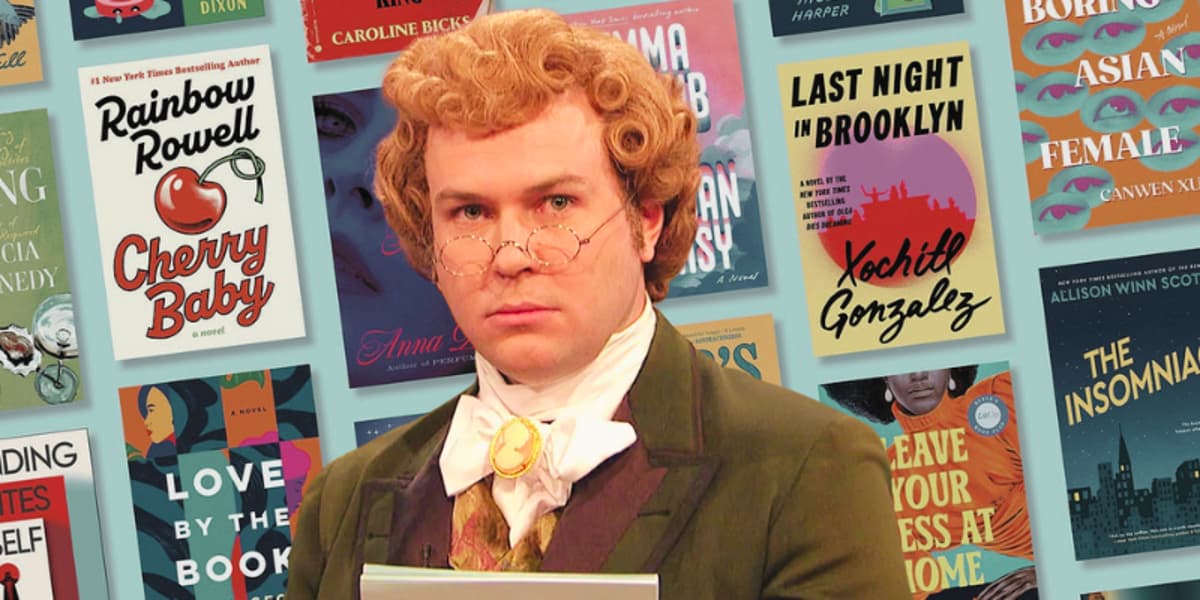
Five Great Book Critics Writing Today (and Where to Find Them).
Companies Mentioned
Why It Matters
The rise of freelance critics preserves nuanced literary dialogue despite newsroom cutbacks, ensuring authors and readers still receive informed analysis. This shift also signals new promotional pathways for publishers in a fragmented media landscape.
Key Takeaways
- •Grace Byron writes incisive reviews on Defector and Substack.
- •Meghna Rao blends criticism, fiction, and tech optimism in Substack newsletters.
- •Edna Bonhomme offers historically grounded reviews in The Nation and New Republic.
- •Jack Edwards creates popular YouTube book round‑ups for over a million viewers.
Pulse Analysis
The New York Times critic Dwight Garner lamented the loss of institutional book reviewers, echoing recent closures like The Washington Post’s Book World. Such cuts shrink the editorial space where emerging titles once received thoughtful appraisal, threatening the feedback loop that sustains literary innovation. Without dedicated sections, publishers lose a trusted channel for reaching discerning readers, and authors miss the nuanced dialogue that can shape a book’s cultural reception. The contraction reflects broader newsroom budget pressures and the rise of algorithm‑driven content.
At the same time, a new generation of freelancers is filling the void on nimble platforms. Grace Byron leverages Defector and Substack to deliver materialist‑leaning essays that cut across highbrow and pop culture. Meghna Rao’s Substack blends criticism with tech optimism and personal essay, attracting a diverse inbox audience. Historian‑journalist Edna Bonhomme brings a scientific perspective to reviews in The Nation and The New Republic, while poet‑scholar Anahid Nersessian offers left‑leaning aesthetic analysis for NYRB and LRB. YouTube’s Jack Edwards translates traditional roundup formats into bite‑size videos that reach over a million subscribers, proving video can be a viable criticism medium.
For publishers, this shift means courting a broader array of influencers rather than relying on legacy editors. Authors can gain exposure through newsletters, podcasts, and video essays that often engage younger, digitally native readers. Readers benefit from a richer, more pluralistic critical landscape, though the trade‑off is less editorial gatekeeping. As the ecosystem continues to decentralize, tracking these voices—via Google alerts or platform subscriptions—will become essential for anyone who wants to stay ahead of literary trends.
Five great book critics writing today (and where to find them).
Comments
Want to join the conversation?
Loading comments...