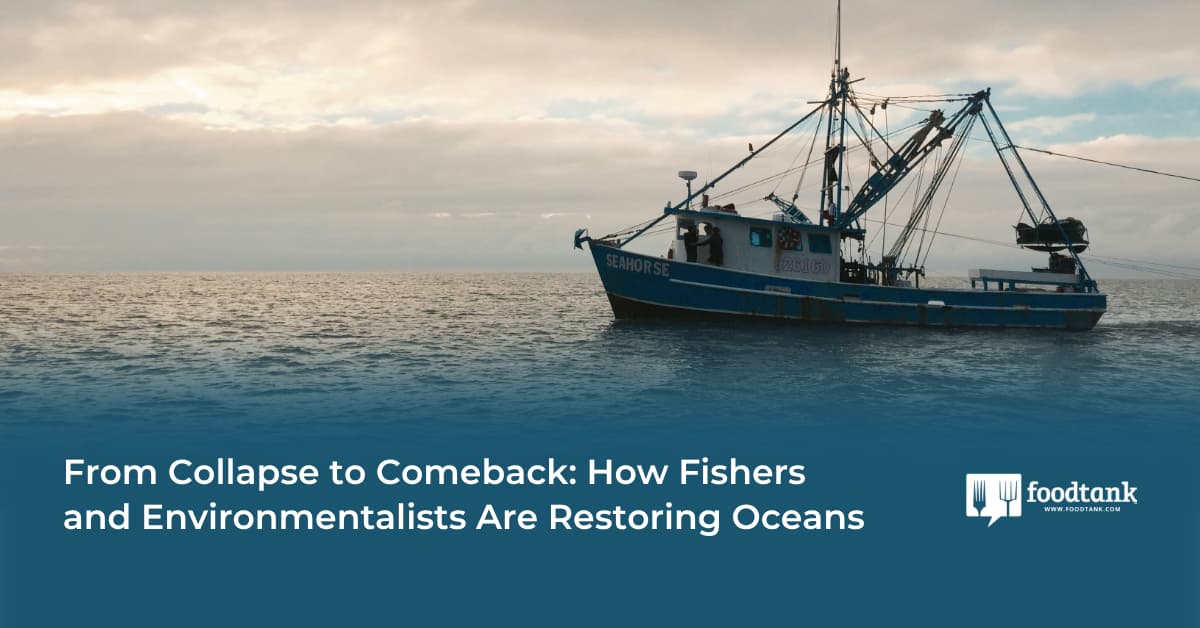
From Collapse to Comeback: How Fishers And Environmentalists Are Restoring Oceans
Why It Matters
Catch‑share reforms provide a market‑based, scalable solution that aligns fishermen’s profits with marine conservation, strengthening coastal economies and biodiversity.
Key Takeaways
- •Catch shares allocate fishing rights to individuals or groups.
- •Flexibility lets fishers fish year‑round, reducing race pressure.
- •Red snapper stocks rebounded, boosting fisher incomes and jobs.
- •Collaboration transforms adversarial relationships into sustainable community solutions.
Pulse Analysis
Overfishing has long threatened global fish stocks, prompting regulators to rely on rigid quotas and seasonal bans that often pit conservation goals against fishermen’s livelihoods. Catch‑share systems flip this paradigm by assigning a tradable portion of a fishery’s total allowable catch to individual fishers or cooperatives, turning the resource into a shared asset. This market‑based model incentivizes long‑term stewardship: the more a stock recovers, the larger the share’s value, encouraging fishers to support sustainable practices while retaining flexibility to harvest when conditions are optimal.
In the Gulf of Mexico, the implementation of catch shares for red snapper illustrates the model’s tangible benefits. Initially resistant, Texas fisherman Keith “Buddy” Guindon observed snapper populations not only stabilize but grow, leading to higher catch rates without the frantic rush of traditional seasons. Lower fuel consumption, reduced labor hours, and steadier income streams translated into more secure jobs for Galveston’s dockside community. As Guindon publicly embraced the system, his endorsement spurred neighboring fleets to adopt similar arrangements, creating a ripple effect that amplified economic resilience across the region.
The success story has sparked interest worldwide, with policymakers in the Pacific Northwest, New Zealand, and parts of Africa piloting catch‑share schemes for species ranging from salmon to sardines. Yet scaling these programs faces hurdles: diminishing government funding for fisheries research, complex stakeholder negotiations, and the need for robust monitoring infrastructure. Continued collaboration between environmental NGOs, industry groups, and coastal communities will be essential to refine the incentive structures and ensure equitable access. If these challenges are met, catch shares could become a cornerstone of the blue economy, delivering both ecological recovery and sustainable prosperity for fishing communities.
From Collapse to Comeback: How Fishers And Environmentalists Are Restoring Oceans
Comments
Want to join the conversation?
Loading comments...