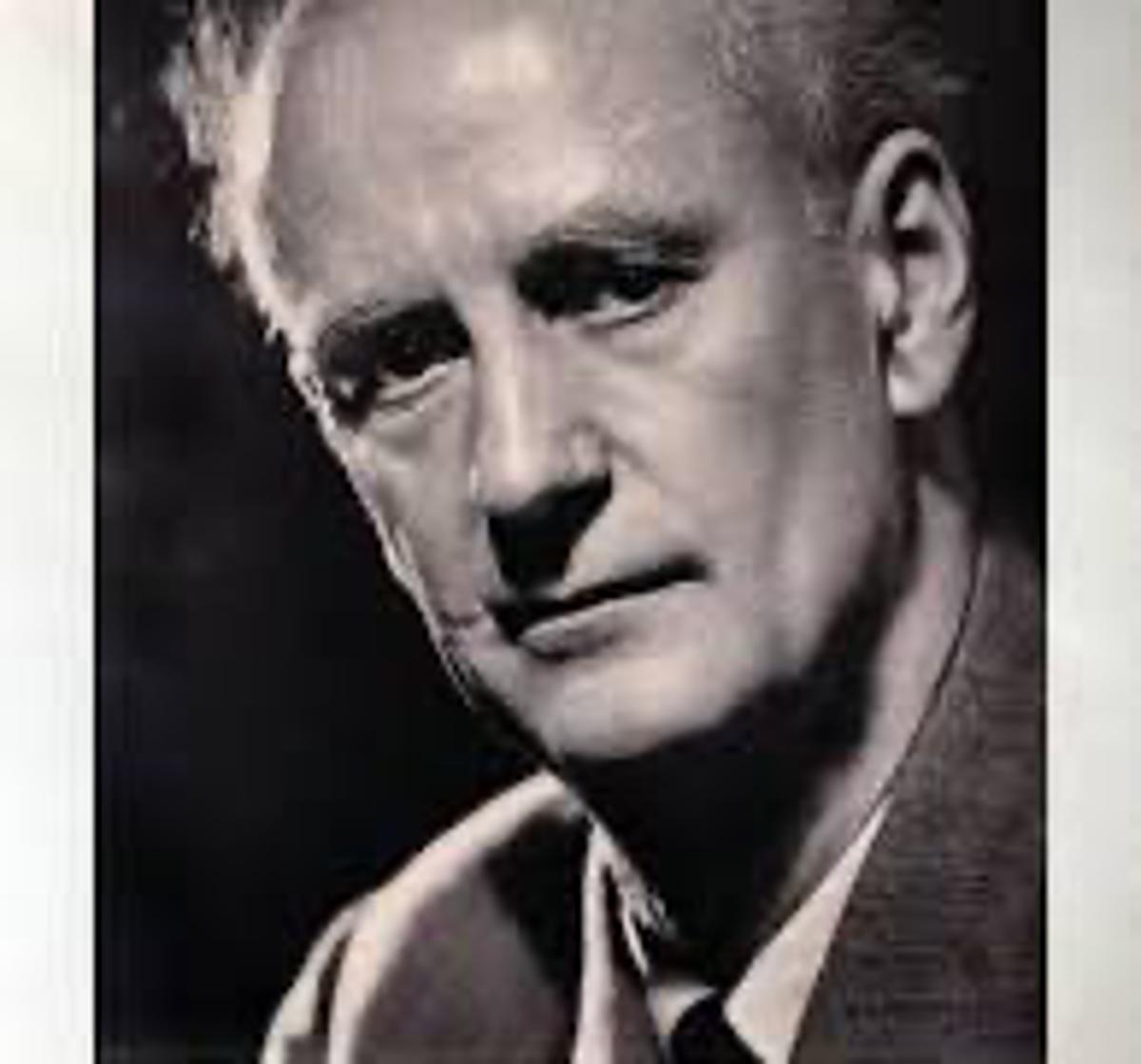
Furtwängler in Wartime – Reflections on Ian Buruma’s “Stay Alive”
Why It Matters
The piece reveals how cultural institutions can both preserve humanity and become entangled in oppressive regimes, a lesson relevant for today’s artists navigating political pressures. Understanding Furtwängler’s legacy informs broader debates about art’s role in society and accountability.
Key Takeaways
- •Furtwängler conducted 21 wartime Berlin concerts, many broadcast live
- •Beethoven’s Ninth aired 1942, evoking intense human solidarity
- •Furtwängler justified staying to preserve German music, sparking lasting debate
- •Buruma’s Stay Alive frames Berlin’s cultural resilience without moral judgment
Pulse Analysis
During the final years of World War II, Wilhelm Furtwängler kept the Berlin Philharmonic on the airwaves, delivering performances that transcended the city’s physical devastation. Broadcasts of Beethoven’s Ninth in 1942 and Brahms’s First in January 1945 reached listeners huddled in bomb‑sheltered halls, turning music into a conduit for collective endurance. Scholars now view these recordings as rare auditory documents that capture a society clinging to dignity while the regime crumbled around it.
The ethical controversy surrounding Furtwängler’s wartime presence reflects a broader dilemma: can cultural preservation justify proximity to oppressive power? In his de‑Nazification trial, Furtwängler argued that safeguarding German musical heritage outweighed the risk of propaganda misuse. Critics, from Thomas Mann to Artur Schnabel, labeled him a complicit figure, while others, including Arnold Schoenberg, defended his artistic integrity. This tension mirrors modern debates about artists who perform in authoritarian contexts, prompting institutions to weigh cultural value against moral responsibility.
Ian Buruma’s *Stay Alive* adds nuance by focusing on personal narratives rather than binary judgments. By recounting Leo Buruma’s experience—attending a Furtwängler concert while forced to labor in a weapons factory—the book illustrates how ordinary citizens found fleeting solace in art. Buruma’s restraint from condemning Furtwängler invites readers to consider the layered realities of survival, resistance, and complicity. For contemporary cultural leaders, the story underscores the importance of contextualizing artistic choices within their historical moment, rather than imposing retrospective verdicts.
Furtwängler in Wartime – Reflections on Ian Buruma’s “Stay Alive”
Comments
Want to join the conversation?
Loading comments...