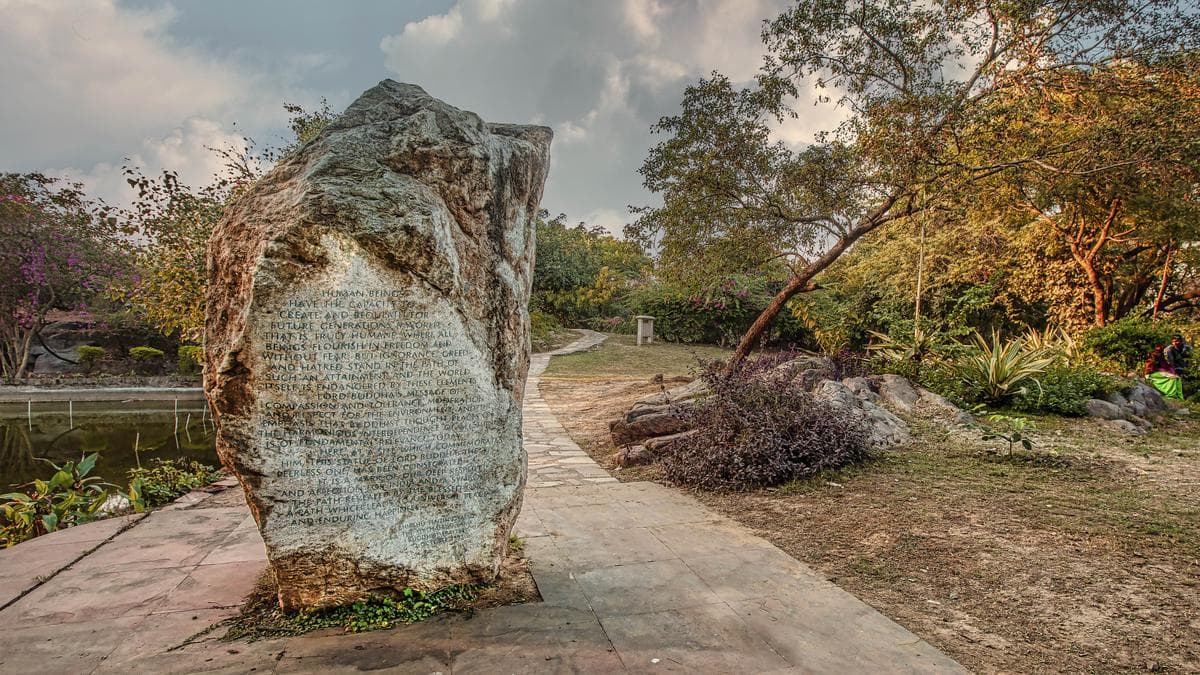
‘Gardens of Delhi’ Gives Us a Glimpse Into the Hidden Green Treasures of the Capital
Why It Matters
Highlighting Delhi’s extensive park network underscores the strategic role of urban green space in climate resilience and livability, offering a replicable model for other fast‑growing megacities.
Key Takeaways
- •Delhi hosts over 18,000 public parks and gardens.
- •Green cover reaches nearly 23% of the city's area.
- •Book reveals hidden species like the “Tree of Owls” and Buddha Coconut.
- •Historical gardens trace back to 14th‑century Tughlaq dynasty.
- •Authors blend heritage, photography, and naturalist insights.
Pulse Analysis
Delhi, often portrayed as a concrete sprawl, actually boasts one of the highest per‑capita park densities among Indian metros. According to the Delhi Parks and Gardens Society, the capital maintains over 18,000 public parks and gardens, contributing roughly 23 % of its total land area to vegetation. This green infrastructure mitigates heat‑island effects, improves air quality, and provides essential recreational space for a population exceeding 30 million. Urban planners trace this commitment back to the Mughal and early Sultanate periods, when the city was deliberately laid out as a series of garden‑linked districts.
The newly released ‘Gardens of Delhi’ captures that legacy through a blend of scholarly narrative and visual storytelling. Siblings Swapna and Madhulika Liddle, seasoned heritage researchers, partner with photographer Prabhas Roy to document sites ranging from the 14th‑century Tughlaq garden to contemporary pocket parks. Their fieldwork uncovered curiosities such as the Ailanthus excelsa “Tree of Owls” in Nehru Park and the Buddha Coconut, a towering specimen in Lodhi Garden whose fruit resembles a coconut. By pairing historical context with on‑the‑ground naturalist observations, the book offers readers a layered portrait of the capital’s ecological memory.
Beyond nostalgia, the volume arrives at a pivotal moment for urban sustainability. As climate pressures intensify, Delhi’s green cover serves as a living laboratory for how megacities can balance development with biodiversity. The detailed inventory of lesser‑known trees and micro‑habitats can inform municipal greening initiatives, guide heritage‑sensitive landscaping, and boost eco‑tourism. Policymakers and private developers alike may draw on the book’s insights to prioritize native species, protect cultural landmarks, and expand accessible green corridors, reinforcing Delhi’s reputation as a greener capital.
‘Gardens of Delhi’ gives us a glimpse into the hidden green treasures of the capital
Comments
Want to join the conversation?
Loading comments...