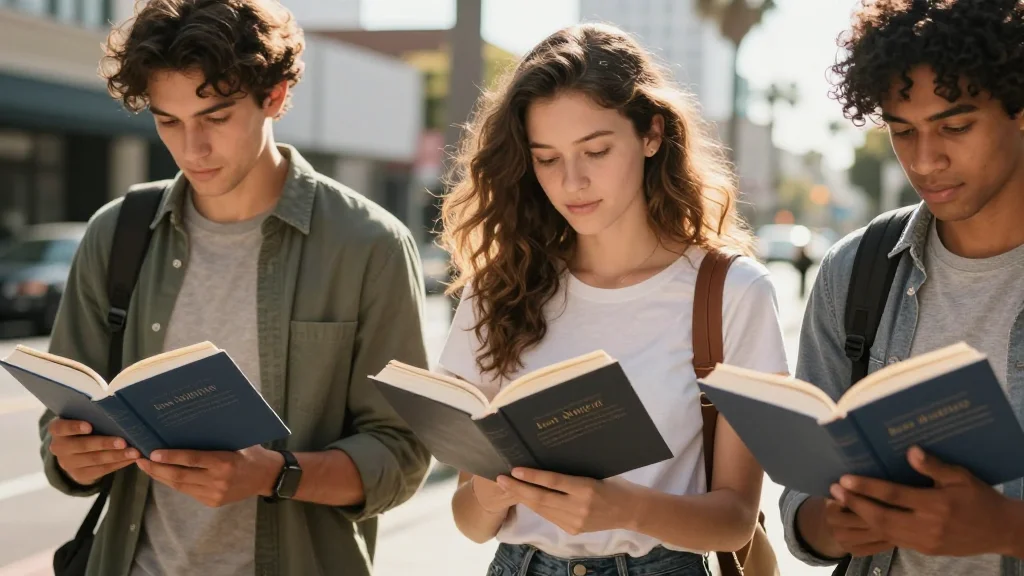
Gen Z and Millennials Revitalize L.A. Book Clubs with Walking Tours and Book Crawls

Why It Matters
The rise of mobile, socially driven book clubs reflects a broader shift in how younger readers consume and discuss literature. By moving gatherings out of conference rooms and into streets and storefronts, these formats lower barriers to participation, foster spontaneous dialogue, and directly support independent bookstores that have struggled against online retail giants. The trend also signals a re‑imagining of community building in the post‑pandemic era, where shared physical experiences are prized for their authenticity. For the publishing industry, the formats offer authors a new avenue for promotion that feels less staged and more organic, potentially leading to deeper reader engagement and word‑of‑mouth sales. As these events gain traction, publishers may allocate more marketing budgets toward experiential activations, reshaping the traditional book‑tour model.
Key Takeaways
- •The Preoccupied Walking Book Club hosts monthly 40‑minute author walks followed by bookstore discounts.
- •Allison Ambili Kumar’s book crawls visit at least three independent L.A. bookstores per event.
- •Each crawl draws about 20 participants, but the community of followers is larger.
- •Events feature “book hauls” where attendees showcase purchases, enhancing communal discussion.
- •The formats support indie retailers and provide authors with low‑key, high‑engagement promotion.
Pulse Analysis
The emergence of walking book clubs and book crawls in Los Angeles illustrates a generational pivot toward experiential, community‑centric literary consumption. Unlike the lecture‑style author panels that dominated the pre‑pandemic era, these formats prioritize peer interaction and tactile engagement with books, aligning with Gen Z’s preference for authenticity and social sharing. By anchoring events in physical spaces—sidewalks, boutique bookstores—the organizers create micro‑economies that funnel foot traffic and sales to independent retailers, a sector that has faced existential threats from Amazon’s dominance.
From a market perspective, the model offers publishers a cost‑effective promotional channel. Traditional book tours involve travel, venue rentals, and extensive staffing; mobile walks and crawls require minimal logistics while delivering high‑engagement touchpoints. The organic buzz generated on platforms like TikTok amplifies reach without the need for heavy advertising spend. As publishers recognize the ROI of these grassroots events, we may see a strategic shift toward partnering with local organizers, offering exclusive author appearances, and co‑branding with indie shops.
Looking ahead, scalability will be the key challenge. Maintaining the intimate, community‑first atmosphere while expanding to larger audiences could dilute the experience that makes these events appealing. Hybrid models—combining live streaming of author talks with in‑person bookstore hops—could preserve intimacy while extending geographic reach. If successfully balanced, this new paradigm could redefine book promotion and community building for the next decade, positioning independent bookstores as cultural hubs rather than relics of a bygone era.
Gen Z and Millennials Revitalize L.A. Book Clubs with Walking Tours and Book Crawls
Comments
Want to join the conversation?
Loading comments...