Harriet Clark’s Début Is a New Kind of Coming-of-Age Novel
Why It Matters
The book signals a fresh literary approach to political legacy and trauma, influencing how contemporary fiction can blend personal history with broader philosophical inquiry. Its critical reception may shape future narratives that grapple with inherited activism and institutional oppression.
Key Takeaways
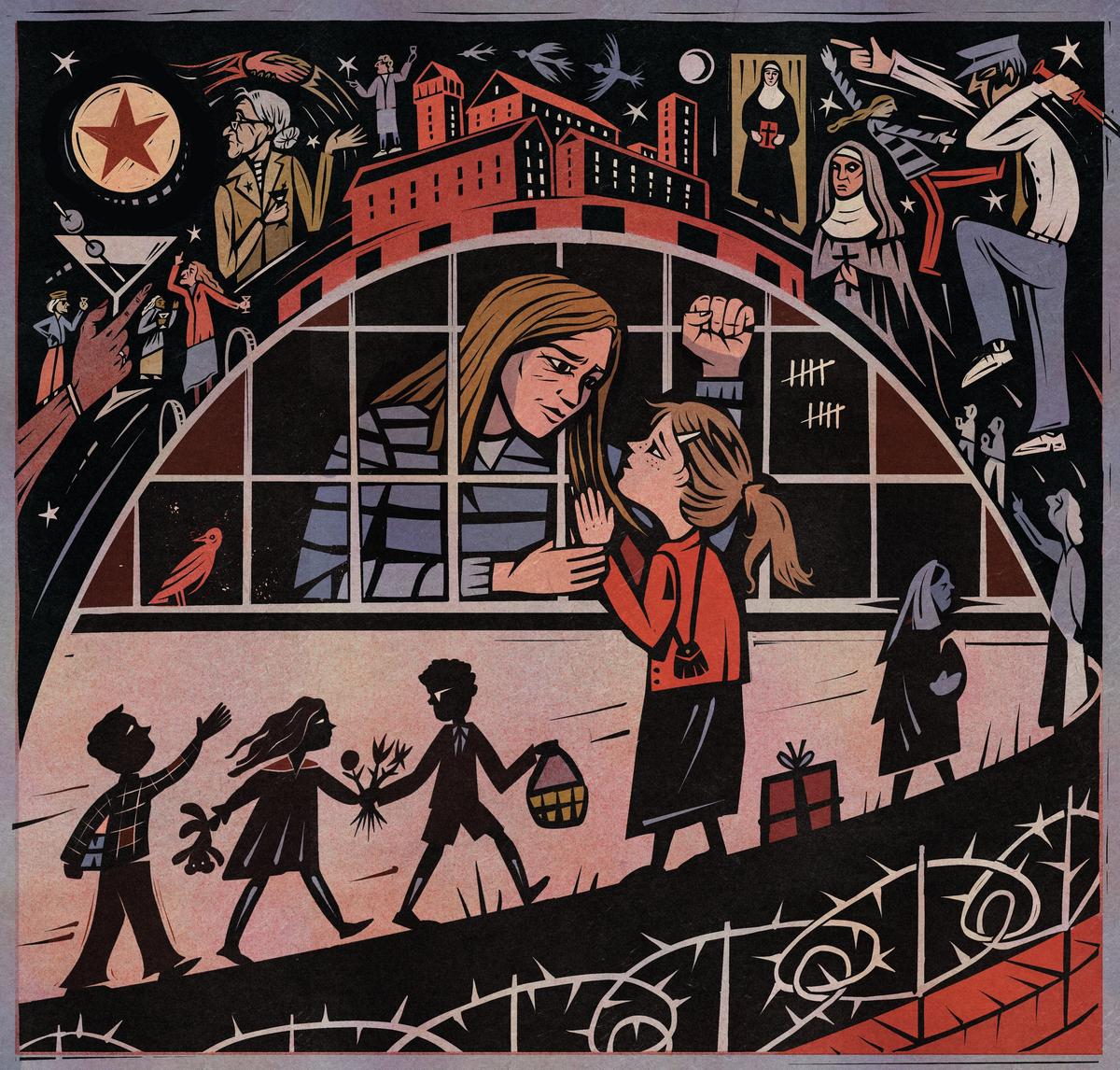
- •The Hill follows Suzanna's visits to her mother in a hilltop prison.
- •Clark is daughter of Weather Underground activist convicted of 1981 Brink's robbery.
- •Novel strips autobiographical details, turning personal history into allegorical bildungsroman.
- •Themes include abandonment, arbitrary authority, and search for meaning.
- •Comparisons drawn to Robinson's Housekeeping and Ishiguro's Never Let Me Go.
Pulse Analysis
Harriet Clark’s *The Hill* arrives at a moment when American literature is re‑examining the legacy of 1960s radicalism. By foregrounding a child’s routine prison visits, the novel transforms a personal family saga into a meditation on how political extremism reverberates across generations. This approach resonates with readers seeking narratives that move beyond memoir to interrogate the structures—prison, ideology, family—that shape identity, positioning the book as a touchstone for discussions about inherited trauma and the ethics of storytelling.
The novel’s stripped‑down style underscores a broader trend toward minimalist, allegorical fiction that privileges thematic resonance over biographical detail. Clark’s decision to rename Bedford Hills as “Hillcrest” and to generalize the Brink’s heist illustrates how authors can protect narrative universality while still honoring lived experience. Critics have noted the book’s alignment with the metaphysical bildungsroman tradition, joining the ranks of Robinson’s *Housekeeping* and Ishiguro’s *Never Let Me Go* in exploring how young protagonists confront arbitrary systems that dictate the parameters of their lives.
Beyond literary merit, *The Hill* offers cultural insight into how activist lineages are negotiated in contemporary America. The novel’s depiction of grandparents who discourage political engagement reflects a generational fatigue, while Suzanna’s yearning for connection highlights the human cost of ideological sacrifice. As publishers and readers alike gravitate toward stories that blend personal history with societal critique, Clark’s debut may influence future works that seek to balance authenticity with broader allegorical ambition.
Harriet Clark’s Début Is a New Kind of Coming-of-Age Novel
Comments
Want to join the conversation?
Loading comments...