He Wrote Judy Blume’s Life Story. She Won’t Talk About It.
•March 8, 2026
0
Why It Matters
An authorized biography could redefine public understanding of Blume’s cultural influence, while her silence highlights growing author control over personal narratives in the publishing industry.
Key Takeaways
- •Oppenheimer secured Blume's biography approval July 2022.
- •Blume initially invited him to Martha's Vineyard for interviews.
- •He grew up reading Blume's coming‑of‑age novels.
- •Blume later declined to discuss personal life publicly.
- •Biography faces delays due to author's silence.
Pulse Analysis
Judy Blume remains one of the most influential voices in contemporary American literature, shaping generations with candid explorations of adolescence in titles such as *Are You There God? It’s Me, Margaret* and the *Fudge* series. Her willingness to confront taboo subjects earned her both critical acclaim and a devoted readership that spans decades. As a cultural touchstone, a comprehensive biography promises to illuminate the personal experiences that informed her groundbreaking narratives, offering scholars and fans a deeper context for her enduring relevance.
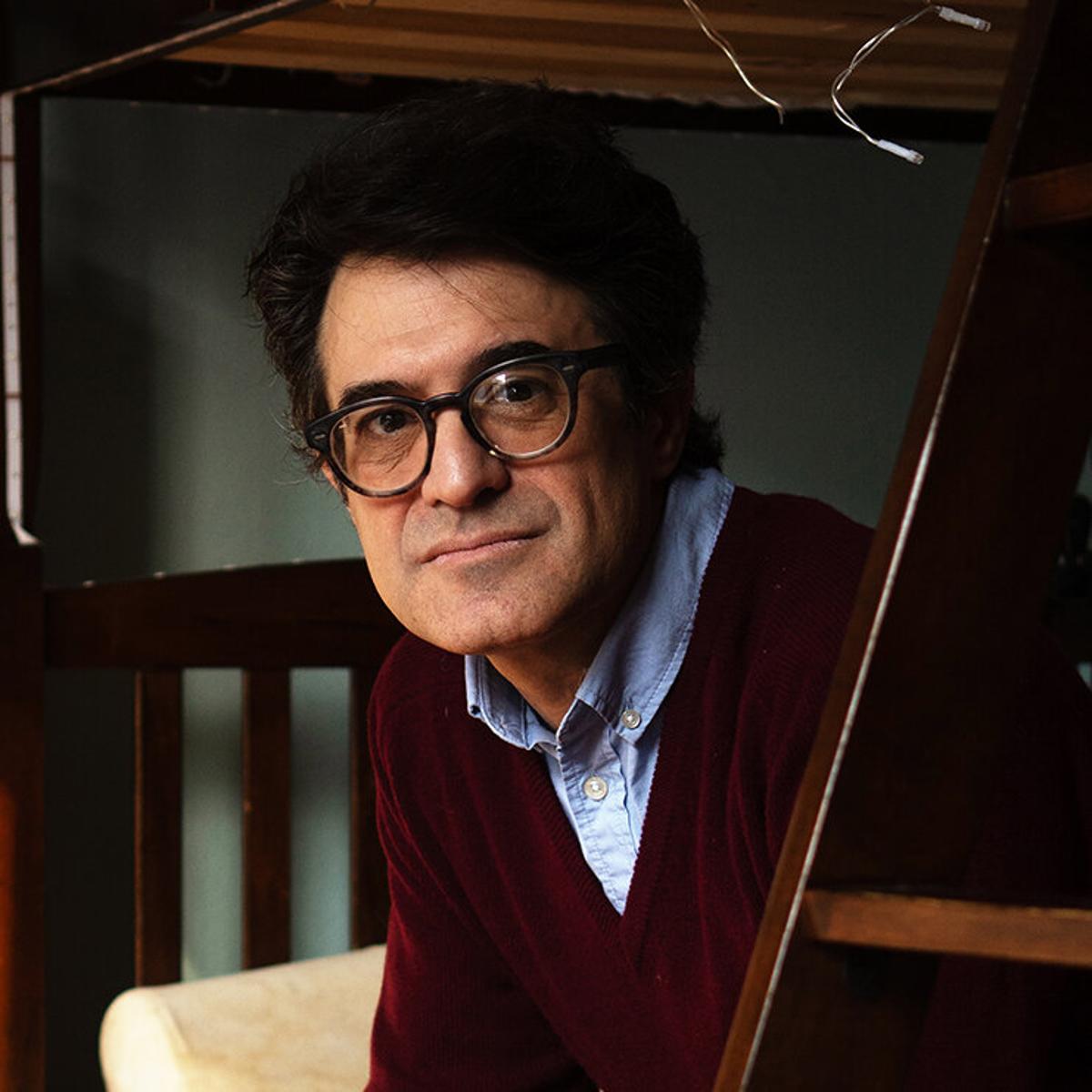
Mark Oppenheimer, a Yale‑trained writer and longtime fan, first reached out to Blume in 2022 after a decade‑long pursuit, receiving an email that confirmed her readiness to discuss a biography. The exchange rekindled a relationship that began with a 1997 tribute in *The Book Review* and included an invitation to her Martha’s Vineyard summer home. Oppenheimer’s intimate familiarity with Blume’s oeuvre positions him to craft a nuanced portrait, yet the project now confronts an unexpected obstacle: Blume’s refusal to participate in further interviews.
The impasse reflects a broader shift in the publishing world, where authors increasingly guard their personal histories against unauthorized exposure. While readers crave behind‑the‑scenes insight, high‑profile writers like Blume are asserting control, influencing how literary estates manage biographical projects. Publishers must balance commercial demand for compelling life stories with respect for privacy, often negotiating limited access or opting for narrative‑driven accounts based on public records. The outcome of Oppenheimer’s biography will signal how future literary biographies navigate this delicate equilibrium.
He Wrote Judy Blume’s Life Story. She Won’t Talk About It.
0
Comments
Want to join the conversation?
Loading comments...