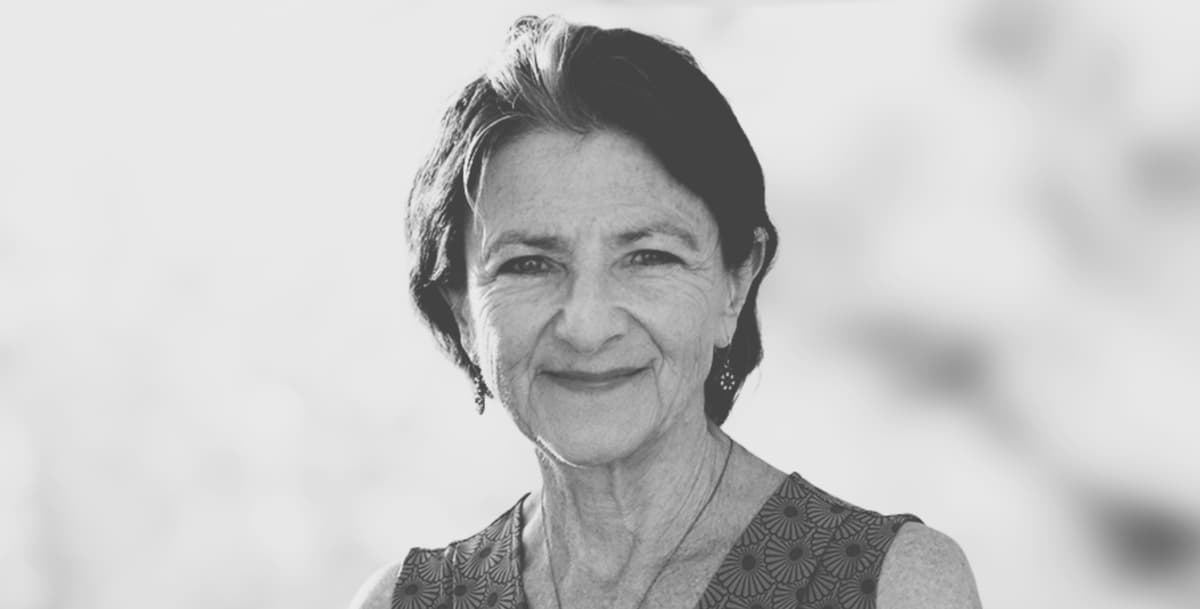
Helen Benedict on Chronicling the Legacy of the Iraq War In Fiction
Why It Matters
By framing war’s moral and psychological wounds through fiction, Benedict reshapes public understanding of the Iraq conflict and amplifies the experiences of women and refugees often omitted from mainstream narratives.
Key Takeaways
- •Benedict uses fiction to reveal hidden trauma of women soldiers.
- •Trilogy Reparation follows Kate, Jimmy, and Iraqi doctor Naema across war years.
- •Research included interviews with women veterans, Iraqi refugees, and prosthetics clinics.
- •Novel portrays Iraqi perspective, challenging US‑centric war narratives.
- •No further books planned, but author explores post‑WWII love story next.
Pulse Analysis
Helen Benedict’s shift from nonfiction to fiction reflects a broader trend where storytellers use narrative art to fill gaps left by journalism. *The Lonely Soldier* documented harrowing sexual assaults within the U.S. military, yet many survivors could not articulate the deeper, internalized pain. Fiction offers a safe conduit for those silences, allowing readers to inhabit the emotional core of war without exposing real victims to further trauma. Benedict’s decision mirrors D.H. Lawrence’s belief that artists must bring the horrors of battle home to the individual heart, a premise that resonates with contemporary readers seeking authentic accounts of conflict.
The Reparation trilogy—*Sand Queen*, *The Soldier’s House*, and *Wolf Season*—functions as a literary bridge between American soldiers and Iraqi civilians. By weaving together Kate’s struggle as a female veteran, Jimmy’s guilt over his translator’s death, and Naema’s refugee journey, Benedict creates a multi‑voiced panorama of the 2003‑2011 Iraq War. Her research spanned veteran interviews, Iraqi refugee testimonies, prosthetic clinic visits, and immersion in New York’s immigrant communities, ensuring each character’s PTSD symptoms and cultural dislocation feel lived‑in. This depth elevates the novels beyond entertainment, positioning them as valuable cultural artifacts that document the war’s long‑term human cost.
The impact of Benedict’s work extends into policy and public discourse. Fiction that foregrounds women’s military experiences and refugee narratives can pressure legislators to address systemic abuse and improve veteran support services. Moreover, by challenging the traditional U.S‑centric war narrative, her books encourage publishers and filmmakers to seek more balanced perspectives. As Benedict moves toward a post‑World War II love story, her continued focus on displacement underscores the timeless relevance of storytelling in shaping empathy and informing future generations about the hidden tolls of conflict.
Helen Benedict on Chronicling the Legacy of the Iraq War In Fiction
Comments
Want to join the conversation?
Loading comments...