Hotel Exile by Jane Rogoyska Review – the Remarkable Story of a Wartime Institution
Companies Mentioned
Why It Matters
The book illuminates how cultural institutions can become flashpoints of political resistance and humanitarian relief, offering fresh insight into the lived experience of exile during World War II. Its stories deepen our understanding of displacement, resistance networks, and the moral complexities of occupied Paris.
Key Takeaways
- •Hôtel Lutetia served as headquarters for German anti‑Nazi exiles in the 1930s
- •Nazi intelligence chief Wilhelm Canaris ran the Abwehr from the same hotel
- •Irène Némirovsky wrote Suite Française while hiding in Lutetia
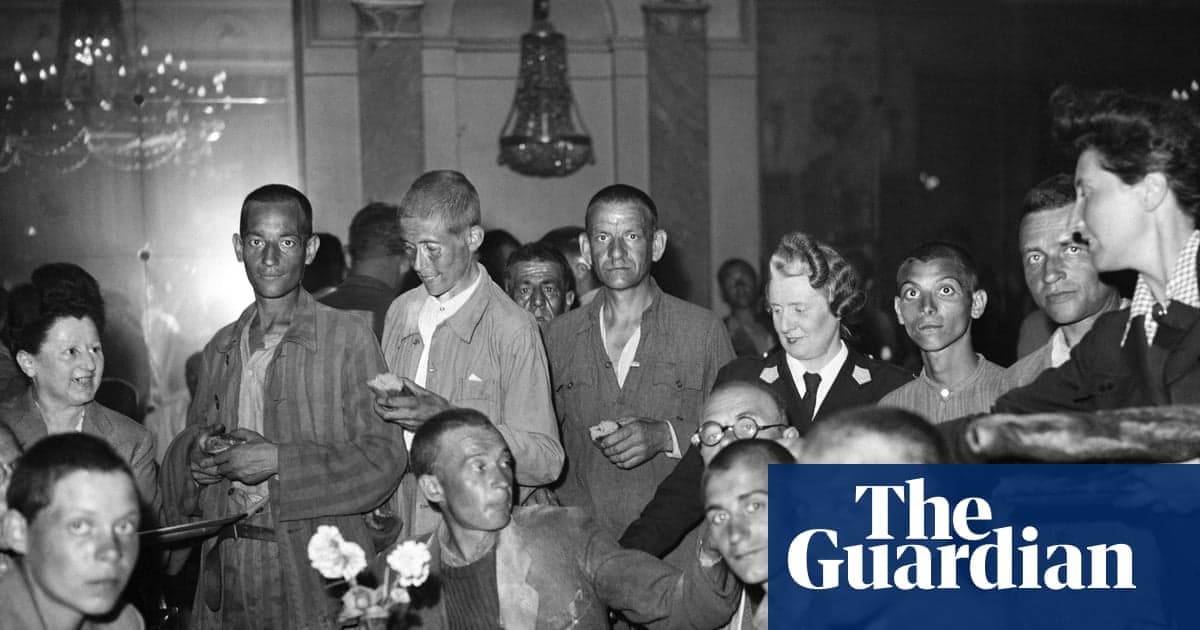
- •Post‑liberation, Lutetia housed thousands of emaciated camp survivors
Pulse Analysis
Hotel Exile shines a light on the Hôtel Lutetia, a Parisian landmark whose walls witnessed a dramatic shift from bohemian refuge to wartime nerve centre. Opened in 1910, the hotel attracted literary giants such as Hemingway and Joyce, but by the mid‑1930s it became a covert hub for German political dissidents fleeing Hitler. Rogoyska details how figures like Heinrich Mann orchestrated subversive operations—smuggling anti‑Nazi pamphlets inside tomato‑seed packets—while living in cramped, precarious conditions. This blend of cultural glamour and clandestine resistance underscores the hotel’s unique role in the broader European anti‑fascist network.
The narrative deepens with personal stories that illustrate the human toll of exile. Walter Benjamin, a scholar of Parisian life, struggled to preserve his monumental "Arcades" manuscript before taking his own life after a failed escape. Ukrainian‑born writer Irène Némirovsky, hidden in the hotel’s rooms, penned the future classic Suite Française, only to perish in Auschwitz. Photographer Gisèle Freund, navigating both gender and sexual marginalisation, secured a "marriage blanc" to obtain French citizenship and later emerged as a celebrated visual chronicler of the era. These accounts reveal how intellectuals and artists leveraged the hotel’s relative safety to continue cultural production under threat.
When Allied forces liberated Paris, the Lutetia’s function inverted once more, becoming a repatriation centre for liberated camp survivors. Emaciated returnees passed through its revolving doors, receiving medical care, clothing and a brief respite before re‑entering a shattered world. Rogoyska’s work resonates today, reminding readers that institutions can pivot between oppression and aid, and that the stories of displaced individuals remain vital to understanding both historical and contemporary refugee crises. The book’s meticulous research and narrative flair make it essential reading for scholars of World War II, cultural history, and humanitarian response.
Hotel Exile by Jane Rogoyska review – the remarkable story of a wartime institution
Comments
Want to join the conversation?
Loading comments...