How Amazing Stories Served as the Blueprint for American Science Fiction
Companies Mentioned
Why It Matters
By institutionalizing science fiction, Amazing Stories created the commercial and cultural infrastructure that turned speculative storytelling into a mainstream literary and entertainment force.
Key Takeaways
- •Amazing Stories launched 1926, coining the term 'science fiction'.
- •Hugo Gernsback's editorial formula mixed one part science, three parts story.
- •The magazine introduced future legends like Asimov, Bradbury, and Le Guin.
- •Editorial shifts sparked the UFO craze and later New Wave experimentation.
- •Amazing Stories' pulp aesthetic still shapes sci‑fi visuals and tropes today.
Pulse Analysis
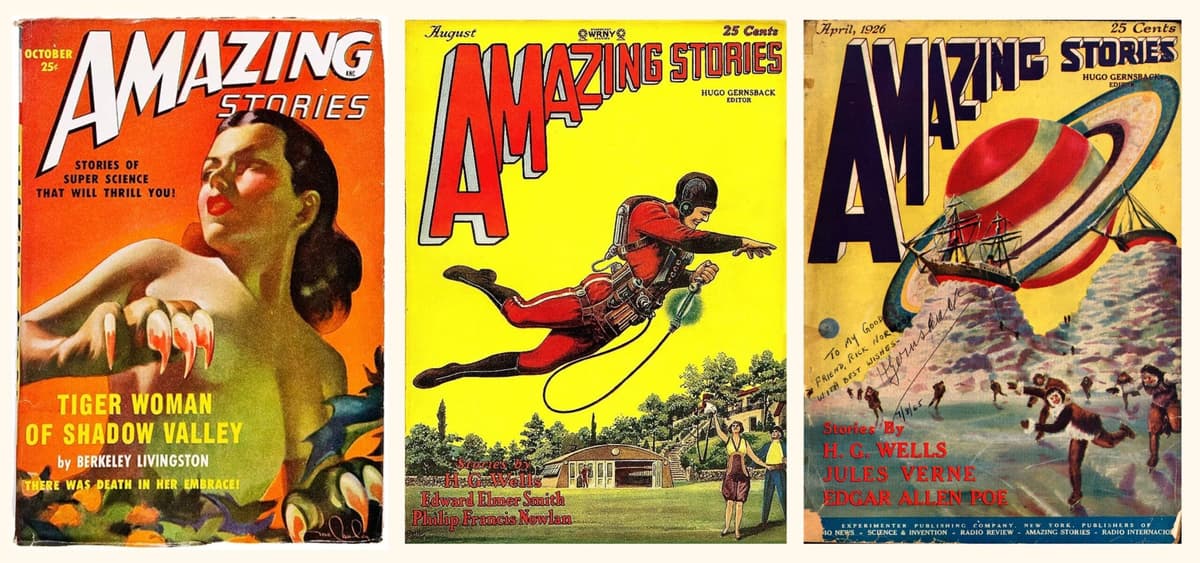
When Hugo Gernsback founded Amazing Stories in 1926, he did more than publish a pulp; he christened an entire genre. His vision of "scientifiction"—a precise blend of hard science and narrative imagination—set a 1:3 science‑to‑story ratio that became the era’s gold standard. The magazine’s first issue, illustrated by Frank R. Paul, showcased vivid, otherworldly art that defined the visual lexicon of early sci‑fi, while reprinting classics from H.G. Wells and Jules Verne to lend the new medium literary gravitas. This combination of eye‑catching covers and a clear editorial mandate gave aspiring writers a dedicated venue and helped cement "science fiction" as a recognizable market category.
The ripple effects of Amazing Stories are evident in the careers it launched and the cultural moments it sparked. Ray Bradbury’s childhood fascination with its pages foreshadowed a lifetime of lyrical futurism, while Isaac Asimov’s first professional story appeared within its pages, heralding the Golden Age. Later, under editors like Raymond Palmer, the magazine fed the 1940s UFO craze, blurring the line between speculative fiction and fringe conspiracy. The 1960s New Wave, led by authors such as Le Guin and Zelazny, deliberately pushed back against Gernsback’s formula, emphasizing literary style over strict scientific accuracy, yet they still owed a debt to the platform that first legitimized their craft.
A century on, Amazing Stories’ legacy endures in the aesthetics of blockbuster sci‑fi, the structure of modern franchise universes, and the ongoing debate over the genre’s purpose. Its pulp‑era cover motifs—rocket ships, alien landscapes, and chrome‑clad heroes—continue to inform contemporary visual design, from comic book covers to streaming series. Moreover, the magazine’s history illustrates how editorial direction can shape cultural narratives, a lesson relevant to today’s tech‑driven storytellers who navigate the tension between scientific plausibility and imaginative freedom. As the genre expands into AI, space colonization, and virtual reality, the blueprint laid by Amazing Stories remains a touchstone for creators seeking to balance wonder with rigor.
How Amazing Stories Served as the Blueprint for American Science Fiction
Comments
Want to join the conversation?
Loading comments...