Companies Mentioned
Why It Matters
Recognizing Austen’s proto‑detective methods reshapes how we classify classic literature and fuels the booming cozy‑crime market, offering fresh commercial and academic opportunities.
Key Takeaways
- •Austen's marriage plots mimic classic mystery structures
- •Emma's unreliable narration parallels Golden Age detective techniques
- •Modern cozy crime retellings draw directly from Austen's tropes
- •P.D. James highlighted Emma as a detective story in 1998
- •Austen's descendant Lois Austen‑Leigh authored Golden Age mysteries
Pulse Analysis
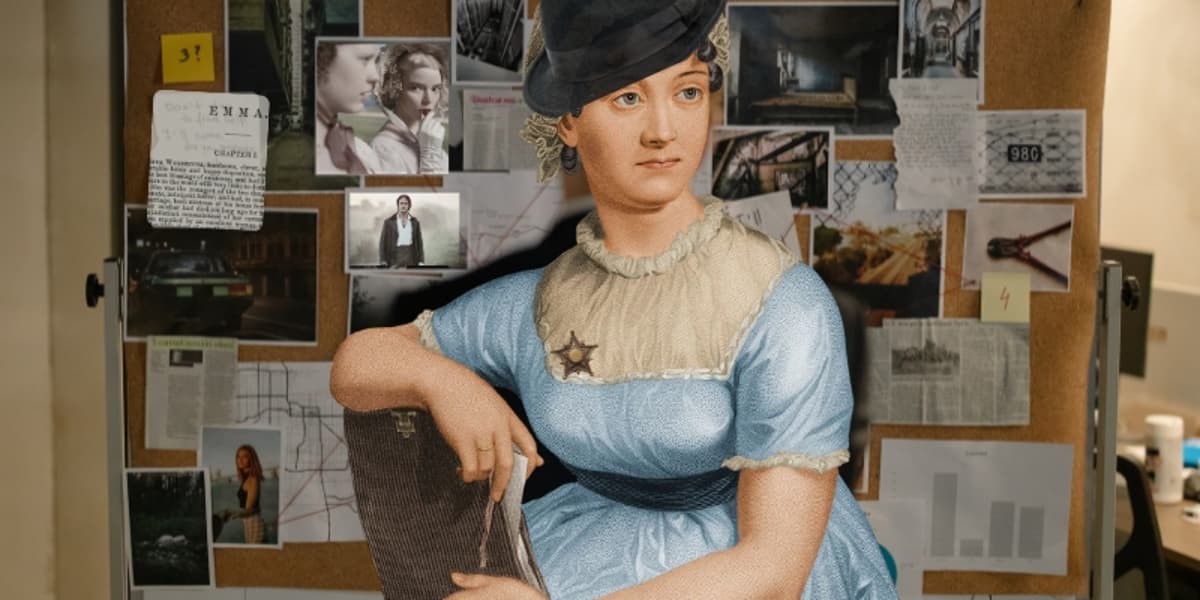
Jane Austen may be best known for her social commentary, but her novels also lay the groundwork for modern detective storytelling. In *Emma*, the pursuit of a suitable husband becomes a puzzle with clues, red herrings, and a cast of suspects—all hallmarks of a classic whodunit. By framing the marriage market as a high‑stakes mystery, Austen turns everyday gossip into investigative fodder, a technique that predates Edgar Allan Poe’s formal crime narratives by decades.
Austen’s narrative toolbox further aligns her with later mystery masters. She blends omniscient narration with free‑indirect discourse, creating an unreliable narrator whose misreadings force readers to sift fact from fiction. This mirrors the Golden‑Age approach of authors like Agatha Christie, who invited audiences to solve crimes alongside the detective. Misplaced clues hidden in minor characters’ chatter—such as Miss Bates’s ramblings—exemplify Austen’s skillful misdirection, a strategy that modern crime writers still employ to keep readers guessing.
The legacy of Austen’s covert sleuthing thrives in today’s cozy‑crime wave. Writers reimagine her stories through detective lenses, from Amelia Blackwell’s time‑traveling Miss Georgiana Darcy to new adaptations of *Emma* featuring con‑woman‑turned‑detective Harriet Smith. This resurgence not only expands the commercial market for genre‑blending fiction but also prompts scholars to reassess literary histories, positioning Austen as a foundational figure in the evolution of mystery fiction. The convergence of classic literature and contemporary crime storytelling underscores the timeless appeal of well‑crafted puzzles, regardless of whether the victim is a body or a bachelor.
How Jane Austen Influenced Modern Detective Fiction
Comments
Want to join the conversation?
Loading comments...