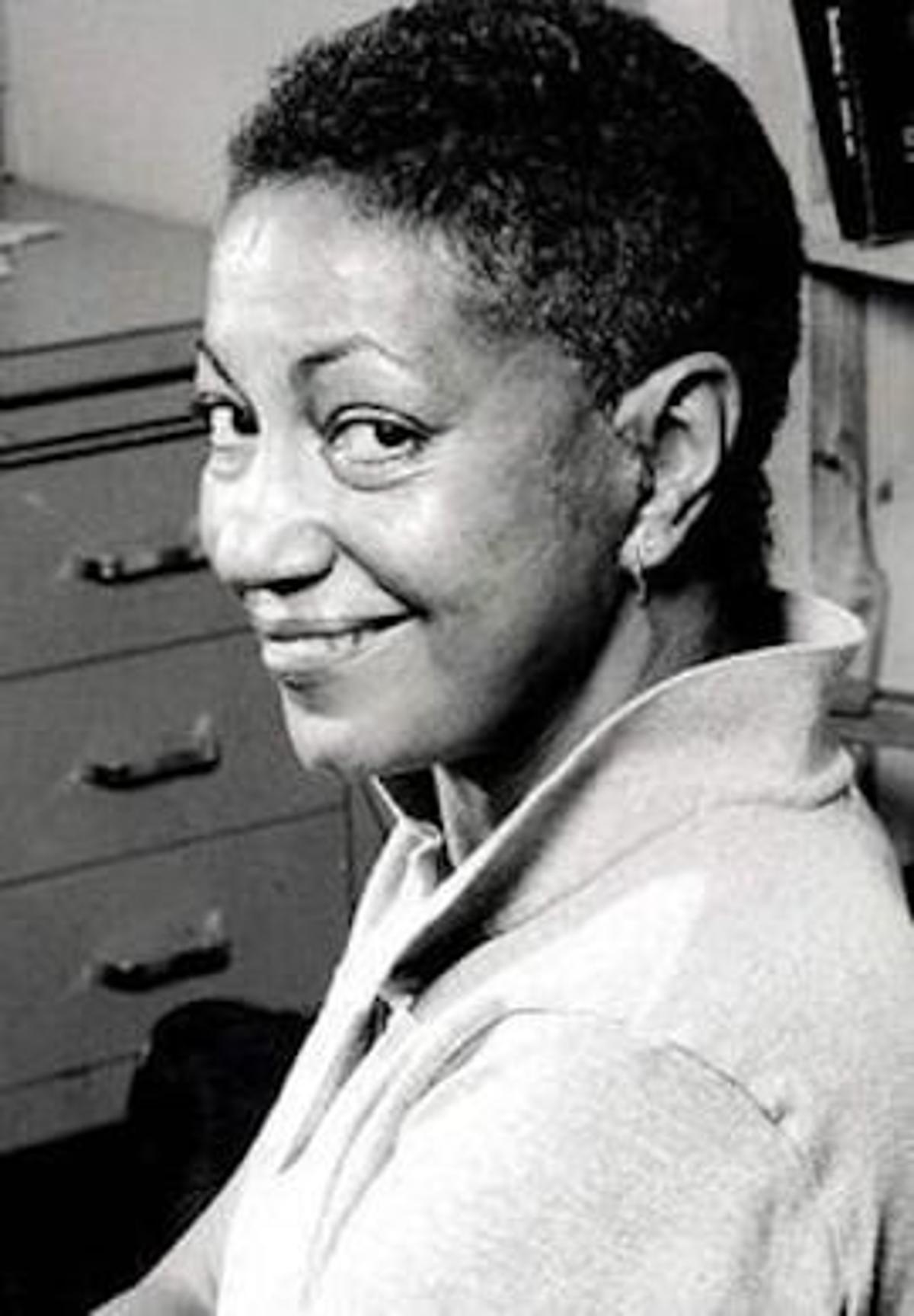
“I Do Not Consent” The Life of Writer and Activist June Jordan
Key Takeaways
- •Authored nearly 30 books covering poetry, essays, and children's literature
- •Co‑founded “Poetry for the People” to train poets as community activists
- •Advocated Black English as a legitimate linguistic form in academia
- •First fifty inductees on the National LGBTQ Wall of Honor (Stonewall)
- •Earned NEA, Rockefeller, and multiple arts fellowships for her work
Pulse Analysis
June Jordan’s early life in Harlem and Brooklyn, shaped by immigrant parents and a fraught relationship with a patriarchal father, forged a writer attuned to the intersections of personal trauma and systemic oppression. Her exposure to predominantly white academic environments at Barnard and Northfield highlighted the erasure of Black and female perspectives, prompting her lifelong commitment to diversifying curricula and championing Black English. This formative backdrop explains why her poetry and essays consistently foreground the lived realities of marginalized communities, positioning her as a bridge between personal narrative and collective struggle.
Jordan’s activism extended beyond the page; she marched for civil rights, feminism, anti‑war causes, and LGBTQ liberation, embodying the poet‑activist archetype. At UC Berkeley she co‑created Poetry for the People, a program that trains students to bring verse into community organizing, thereby institutionalizing art as a tool for social change. Her outspoken bisexual identity and induction onto the National LGBTQ Wall of Honor underscore her role in expanding queer representation within literary canon. Moreover, her advocacy for Black English challenged linguistic hierarchies, influencing language policy debates and encouraging educators to validate students’ cultural dialects.
The legacy of June Jordan endures through a robust bibliography, ongoing scholarly research, and curricula that now integrate her essays on language, race, and gender. Contemporary poets and activists cite her model of “rallying the spirit of your folks” as a blueprint for culturally resonant work. Grants and fellowships she received, such as from the NEA and Rockefeller Foundation, continue to inspire funding bodies to support artists who merge creative practice with social justice. As institutions grapple with diversity, equity and inclusion, Jordan’s life offers a compelling case study of how literary excellence can drive systemic transformation.
“I Do Not Consent” The Life of Writer and Activist June Jordan
Comments
Want to join the conversation?