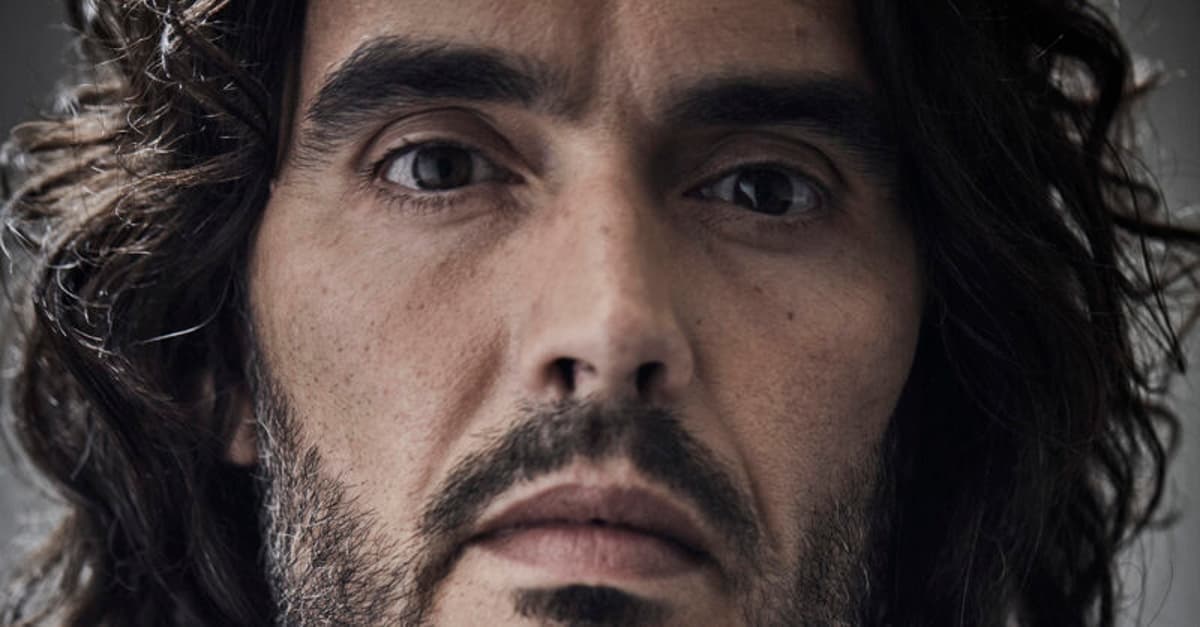
I Read Russell Brand’s Unreadable New Book, for My Sins
Why It Matters
The book illustrates how high‑profile personal crises can be leveraged into religious branding, shaping public discourse on faith and accountability. It also signals a growing market for celebrity‑driven, ideologically charged nonfiction.
Key Takeaways
- •Book released by Tucker Carlson’s Skyhorse imprint, known for controversial authors
- •Brand ties conversion narrative to upcoming sexual‑assault trial
- •Content mixes Christian teaching with conspiracy‑theory and pop‑culture references
- •Critics call the book “near‑unreadable” and self‑servicing
- •Highlights overlap of celebrity, faith, and right‑wing publishing
Pulse Analysis
Russell Brand, once a staple of British comedy and YouTube controversy, has pivoted toward evangelical Christianity, a shift that culminated in *How to Become a Christian in 7 Days*. The book’s launch through Tucker Carlson’s Skyhorse imprint—a house that has courted figures like Donald Trump and Robert F. Kennedy Jr.—places Brand squarely within a media ecosystem that thrives on cultural conflict. By aligning his spiritual narrative with a platform known for right‑leaning commentary, Brand taps into an audience eager for redemption stories that also reinforce broader ideological battles.
The manuscript itself reads more like a collage than a catechism. Brand intersperses biblical reflections with anecdotes about his dog, critiques of the BBC’s *Songs of Praise*, and attacks on public figures such as Justin Trudeau and Yuval Noah Harari. This eclectic mix blurs the line between genuine theological exploration and self‑promotion, leading reviewers to label the text “near‑unreadable.” Moreover, the timing is crucial: Brand faces a high‑profile rape and sexual‑assault trial later this year, and the book repeatedly alludes to the case, positioning his faith as a shield against legal scrutiny.
From a market perspective, the book highlights a trend where celebrity memoirs double as ideological manifestos. Publishers are increasingly courting personalities who can draw both media attention and a built‑in fan base, even when the content polarises. For readers, the volume offers a case study in how personal redemption narratives can be weaponised within culture wars, raising questions about authenticity, accountability, and the commercial appeal of faith‑based celebrity branding.
I read Russell Brand’s unreadable new book, for my sins
Comments
Want to join the conversation?
Loading comments...