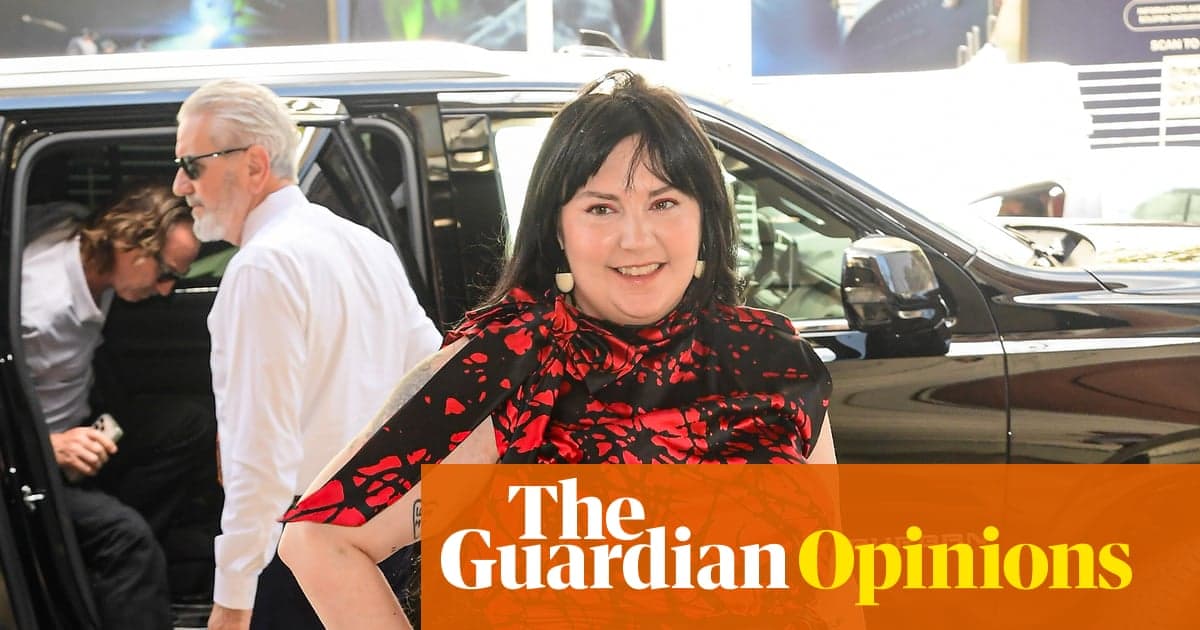
I Was One of Lena Dunham’s Haters. I Want to Say I’m Sorry | Dave Schilling
Why It Matters
The essay underscores how personal envy and gender bias can shape media narratives, offering a cautionary lens for brands and creators navigating influencer backlash in a hyper‑connected era.
Key Takeaways
- •Author admits past jealousy fueled his criticism of Lena Dunham
- •Dunham's memoir revisits the hate she faced after Girls
- •Criticism often stemmed from misogyny and perceived 'nepo baby' status
- •Social media amplified her role as a cultural influencer before the term
- •Gen Z is re‑evaluating Girls as timeless commentary on 20s loneliness
Pulse Analysis
Lena Dunham’s trajectory from indie filmmaker to HBO star made her a lightning rod for both adulation and scorn. Her new memoir, released fourteen years after *Girls*, invites a retrospective look at the vitriolic criticism that once surrounded her. Schilling’s apology illustrates a broader cultural reckoning: many early detractors were driven less by artistic disagreement and more by envy of her rapid ascent, amplified by a media ecosystem that prized shock value and personal exposure. By confronting his own role, Schilling adds a personal dimension to the ongoing conversation about how public figures are judged.
The backlash against Dunham reflects entrenched misogyny and the "nepo baby" narrative that often targets successful women in creative fields. Social platforms turned her personal disclosures into fodder for endless commentary, blurring the line between genuine critique and gender‑based harassment. This phenomenon prefigured today’s influencer economy, where authenticity is both a currency and a vulnerability. As Gen Z revisits *Girls*, they encounter themes of loneliness and identity that transcend its original millennial context, prompting a re‑evaluation of the series as culturally significant rather than merely sensational.
For brands and content creators, Dunham’s story serves as a cautionary tale about the volatility of public perception. The rapid amplification of criticism—whether rooted in sexism, jealousy, or genuine concern—can reshape a career overnight. Companies must therefore invest in nuanced reputation management and foster inclusive narratives that resist reductive labeling. Understanding the interplay between personal branding, media oversharing, and audience sentiment is essential for navigating the modern digital landscape, where yesterday’s controversy can become tomorrow’s cultural touchstone.
I was one of Lena Dunham’s haters. I want to say I’m sorry | Dave Schilling
Comments
Want to join the conversation?
Loading comments...