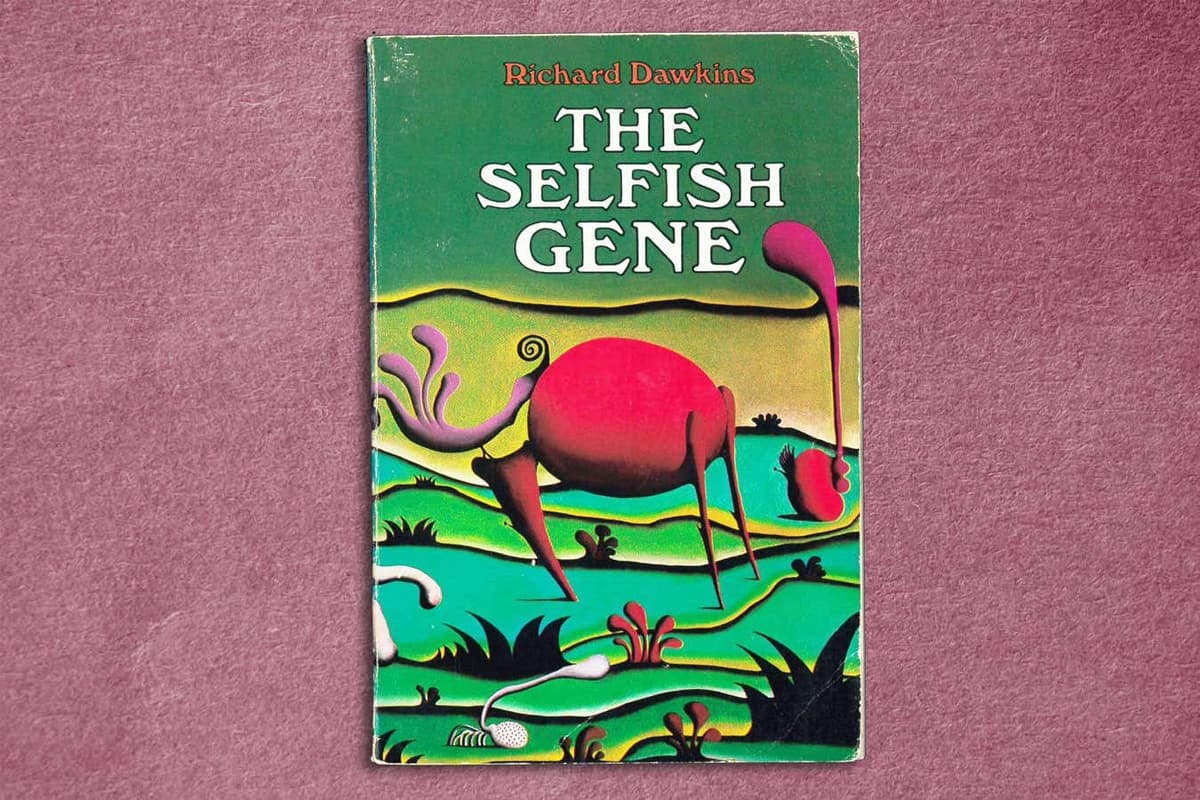
Intoxicating and Astonishing: Why 'The Selfish Gene' Almost Never Was
Companies Mentioned
Why It Matters
The book demonstrated that rigorous, theory‑driven science can thrive in the mass‑market, influencing both academic discourse and popular culture. It also highlighted the pivotal role of visionary editors in launching transformative ideas.
Key Takeaways
- •Draft of 'The Selfish Gene' reached OUP editor in Feb 1976
- •Michael Rodgers recognized its potential, championed it globally
- •Book launched Oct 1976, now sold in 30+ languages, 50‑year legacy
- •Dawkins' gene‑centered view reshaped evolutionary biology discourse
- •Success proved popular science can achieve lasting academic influence
Pulse Analysis
When Richard Dawkins submitted the early chapters of *The Selfish Gene* to Oxford University Press, the publishing world was still skeptical about a popular science book that placed the gene at the center of evolutionary theory. Michael Rodgers, a commissioning editor, recognized the manuscript’s narrative power and scientific clarity, persuading OUP’s international branches to back the project. In an era dominated by dense academic texts, the decision to publish a bold, accessible work signaled a shift toward democratizing complex ideas for a broader readership.
The book’s release in October 1976 sparked a paradigm shift. By framing evolution as a competition among selfish genes, Dawkins offered a compelling, if controversial, lens that resonated with both scholars and laypeople. Universities incorporated the concepts into curricula, while the public engaged with evolutionary debates through mainstream media. The success of *The Selfish Gene* proved that rigorous science could be packaged as a compelling story, paving the way for later bestsellers like *A Brief History of Time* and *Sapiens*. Its influence extends beyond biology, informing fields such as psychology, economics, and cultural studies, where the notion of selfish agents remains a foundational metaphor.
For the publishing industry, the book underscored the strategic value of editorial advocacy. Rodgers’s conviction turned a tentative manuscript into a global phenomenon, illustrating how editors can identify and nurture ideas that reshape intellectual landscapes. Today, as digital platforms proliferate, the lesson remains clear: investing in high‑quality, thought‑provoking content can generate enduring cultural impact and commercial success. The legacy of *The Selfish Gene* continues to inspire authors, scientists, and publishers aiming to bridge the gap between expertise and public curiosity.
Intoxicating and astonishing: Why 'The Selfish Gene' almost never was
Comments
Want to join the conversation?
Loading comments...