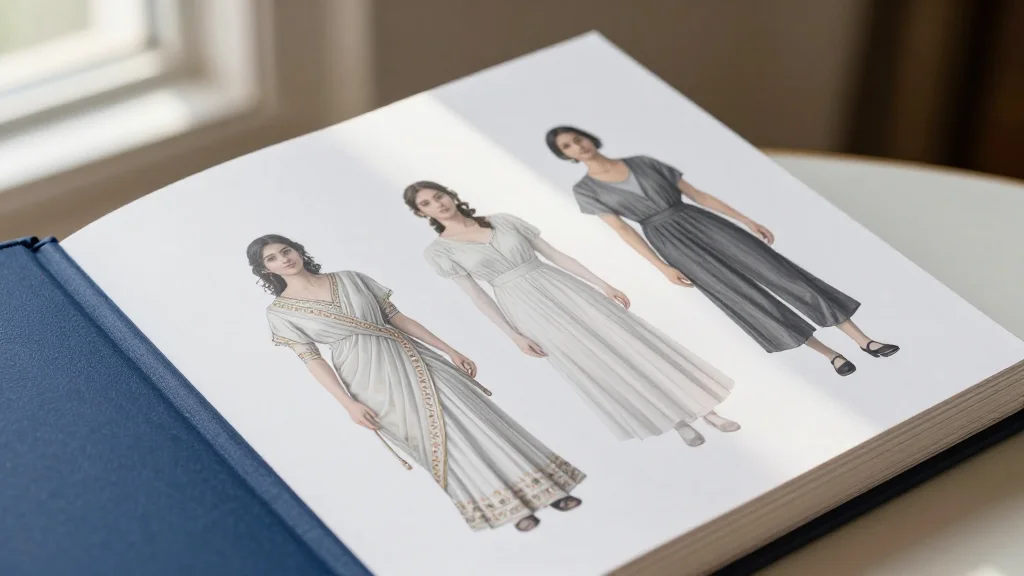
Isheeta Ganguly Launches ‘Three Women’, First Publisher‑Backed Graphic Novel of Tagore’s Heroines

Why It Matters
Isheeta Ganguly’s *Three Women* demonstrates how classic South Asian literature can be revitalized for contemporary, global audiences through the graphic novel format. By re‑imagining Tagore’s heroines, the book challenges the notion that regional literary icons are confined to niche markets, opening pathways for broader cultural exchange. Its launch also signals a growing appetite among publishers and investors for projects that blend literary heritage with visual storytelling, potentially reshaping acquisition strategies in the books industry. The novel’s cross‑continental rollout underscores the increasing importance of diaspora readerships in shaping publishing trends. As Indian‑American creators like Ganguly bring home‑grown narratives to Western stages and shelves, they create a feedback loop that enriches both markets, encouraging more inclusive representations of women’s experiences across cultures.
Key Takeaways
- •Isheeta Ganguly launched *Three Women* at Taj Bengal, Kolkata, on Saturday.
- •The graphic novel is the first major publisher‑backed adaptation of Tagore’s female characters.
- •Features Bimala, Charu and Kadambari Devi, exploring identity, ambition and love.
- •Soft launch in New York City completed; larger exhibition at AICON gallery scheduled for July 23.
- •Industry leaders Harshvardan Neotia and Rudra Chatterjee attended the launch, indicating commercial interest.
Pulse Analysis
Ganguly’s *Three Women* arrives at a crossroads where graphic storytelling meets literary canon. Historically, graphic adaptations of classic works have been dominated by Western texts—think *Maus* or *Persepolis*. By turning to Tagore, Ganguly not only expands the geographic scope of the medium but also tests the market’s appetite for culturally specific narratives that retain universal appeal. The inclusion of Kadambari Devi as a guiding figure adds a metafictional layer, allowing readers to interrogate past gender norms through a modern lens. This narrative device could inspire a wave of similar reinterpretations, where historical figures act as conduits for contemporary discourse.
From a business perspective, the involvement of high‑profile Indian industrialists signals a shift toward viewing graphic novels as viable commercial products rather than niche art books. Their presence may encourage other investors to fund projects that blend literary prestige with visual media, potentially leading to a new sub‑genre of high‑budget, culturally rich graphic novels. The upcoming U.S. exhibitions also highlight the strategic importance of diaspora markets; success in cities like New York could prompt publishers to prioritize bilingual or translated editions, further expanding the reach.
Looking ahead, the performance of *Three Women* will likely influence acquisition pipelines. If sales and critical reception meet expectations, we may see a surge in rights deals for other South Asian literary classics, as well as increased collaboration between theater producers and graphic publishers. The novel’s ability to bridge the gap between academic reverence for Tagore and mainstream pop culture could redefine how literary heritage is packaged for the 21st‑century reader.
Isheeta Ganguly Launches ‘Three Women’, First Publisher‑Backed Graphic Novel of Tagore’s Heroines
Comments
Want to join the conversation?
Loading comments...