Key Takeaways
- •Japanese Gothic blends 2026 American protagonist with 1877 samurai narrative
- •Urashima Taro myth drives plot, not just atmosphere
- •House acts as a character, amplifying gothic tension
- •Middle pacing stalls, risking reader disengagement
- •Baker’s shift to adult horror showcases her evolving literary voice
Pulse Analysis
Kylie Lee Baker, known for YA supernatural series, steps into adult horror with *Japanese Gothic*, a novel that leverages Japan’s rich mythic heritage to differentiate itself in a crowded market. By anchoring the story in the aftermath of the Satsuma Rebellion and weaving the Urashima Taro legend into a dual‑timeline structure, the book offers readers a rare blend of historical authenticity and speculative dread. This cultural specificity resonates with Western audiences hungry for fresh settings beyond the typical European gothic tropes, while still delivering the universal appeal of a haunted‑house narrative.
The novel’s architecture—alternating chapters between Lee Turner, a sedated American fugitive, and Iwasaki Sen, a disciplined samurai’s daughter—creates a tension that mirrors the house’s own paradoxical dimensions. The myth functions as plot engine: the sea‑goddess Otohime’s interventions shape the climax, turning folklore into narrative momentum rather than atmospheric garnish. Baker’s prose, stripped to declarative sentences, amplifies the characters’ emotional detachment, making the horror feel clinical and thus more unsettling. The house itself, with out‑of‑season flora and impossible geometry, becomes a character that embodies both physical and psychological confinement.
From a business perspective, *Japanese Gothic* taps into the rising demand for cross‑cultural horror, a segment that has seen successes like *Mexican Gothic* and *The Haunting of Hill House*. Its blend of samurai ethics, mythic structure, and modern psychological themes positions it for strong sales in both literary horror circles and mainstream bestseller lists. Libraries, book clubs, and genre‑focused retailers are likely to spotlight the title, driving ancillary revenue through related media adaptations and foreign‑language rights. Baker’s successful genre shift signals a broader trend: authors leveraging niche cultural knowledge to broaden their market reach while enriching the horror genre’s narrative palette.
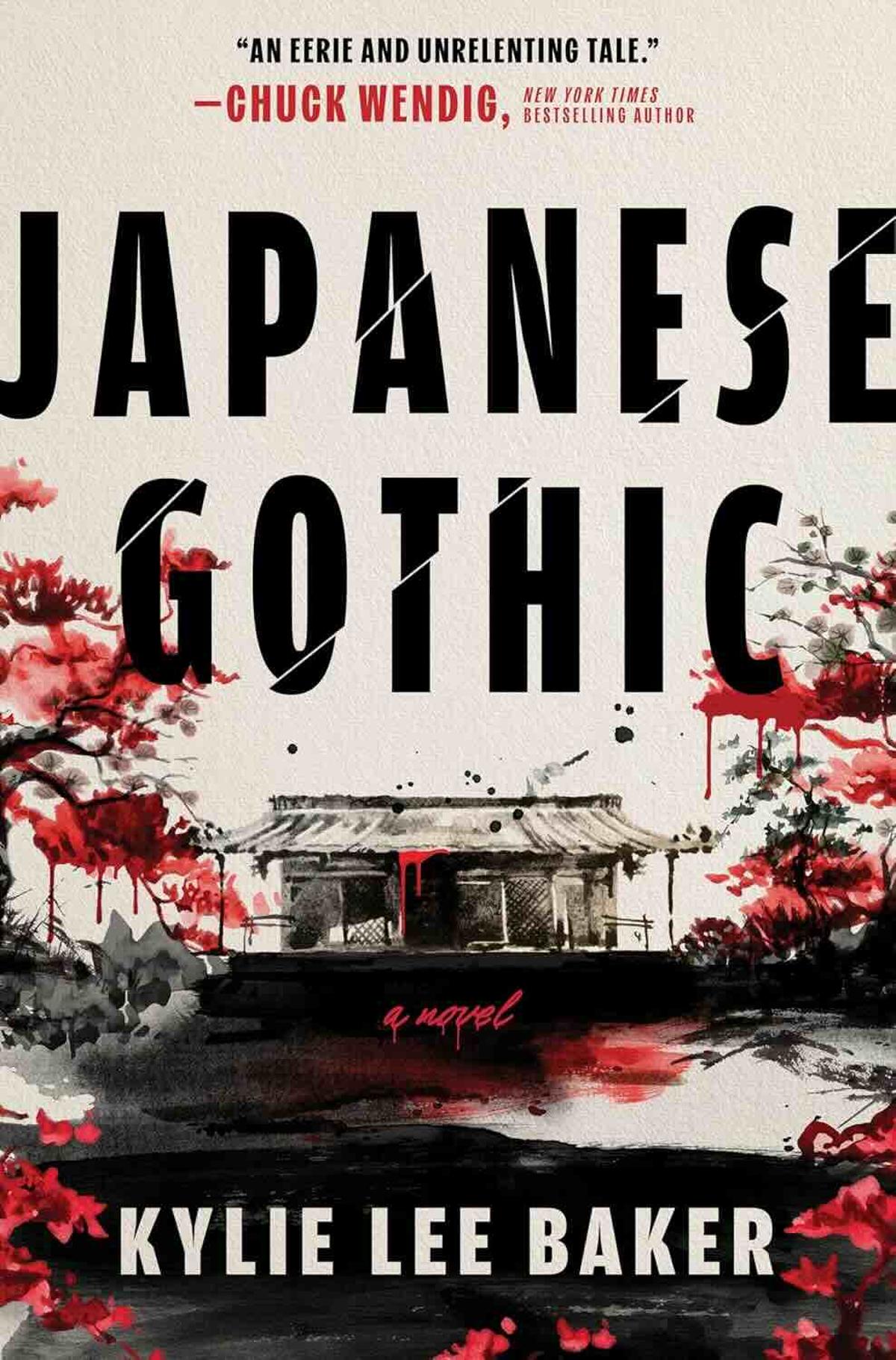
Japanese Gothic by Kylie Lee Baker
Comments
Want to join the conversation?