Jennie Durant on Bitter Honey
Why It Matters
Bee health underpins pollination for over 100 U.S. crops, so the book’s insights are critical for food security and sustainable agriculture.
Key Takeaways
- •Industrial farming drives parasite, pesticide, and climate stress on bees.
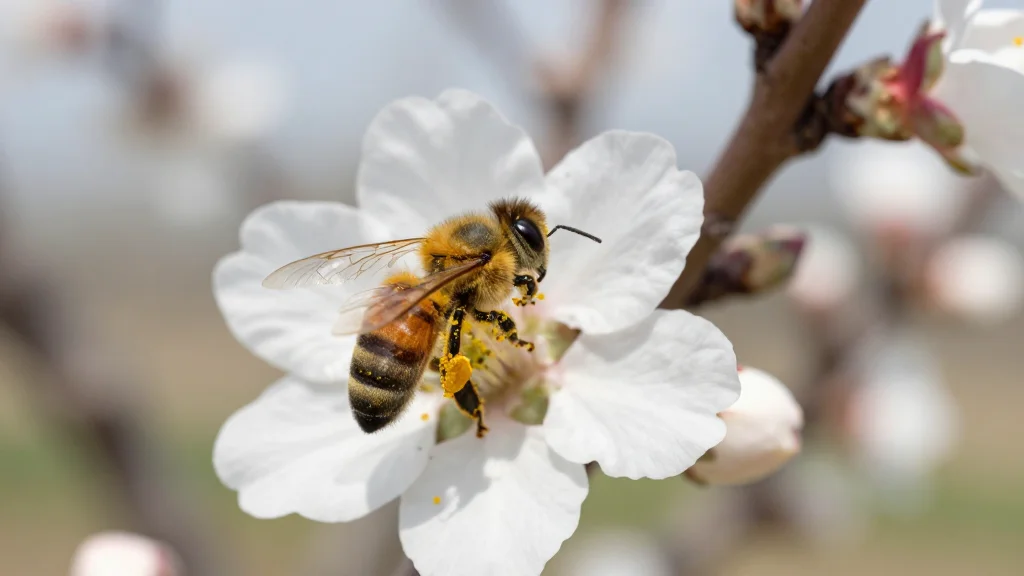
- •Almond pollination forces beekeepers to truck millions of hives nationwide.
- •Midwest forage loss weakens colonies, reducing pollination efficiency across crops.
- •Cover crops and habitat funds show scalable, bee‑friendly farming practices.
Pulse Analysis
The decline of pollinators has moved from a niche environmental concern to a core economic risk. In the United States, bees contribute an estimated $15 billion annually in pollination services, supporting fruits, vegetables, nuts and seed crops. When industrial practices prioritize scale over ecosystem health, they amplify disease vectors, pesticide exposure, and habitat fragmentation, creating a feedback loop that threatens both biodiversity and the bottom line of agribusinesses. Policymakers and investors are beginning to recognize that resilient food systems depend on protecting the insects that make them possible.
Durant’s case studies illustrate the hidden costs of current supply chains. Almond growers rely on the seasonal influx of up to 2 million colonies, a logistical feat that forces beekeepers to feed, treat, and transport hives under harsh winter conditions, often resulting in 50 percent colony loss. Meanwhile, the conversion of prairie and conservation lands in the Northern Great Plains into corn and soy fields strips bees of essential forage, weakening colonies that later pollinate crops nationwide. These regional pressures translate into lower yields, higher input costs, and increased volatility for farmers who depend on reliable pollination.
Hopeful pathways emerge through diversified farming practices and targeted habitat investments. Cover crops, hedgerows, and multi‑acre pollinator reserves—like those funded by the Bee and Butterfly Habitat Fund—boost forage diversity, reduce pesticide drift, and improve soil health, delivering measurable gains in hive strength and crop output. Legal victories protecting native‑plant gardens signal a broader cultural shift toward recognizing pollinators as shared stakeholders. For consumers, supporting honey sourced from sustainable apiaries and advocating for pollinator‑friendly policies can accelerate this transition, ensuring that bees remain a cornerstone of a resilient, climate‑smart food system.
Jennie Durant on Bitter Honey
Comments
Want to join the conversation?
Loading comments...