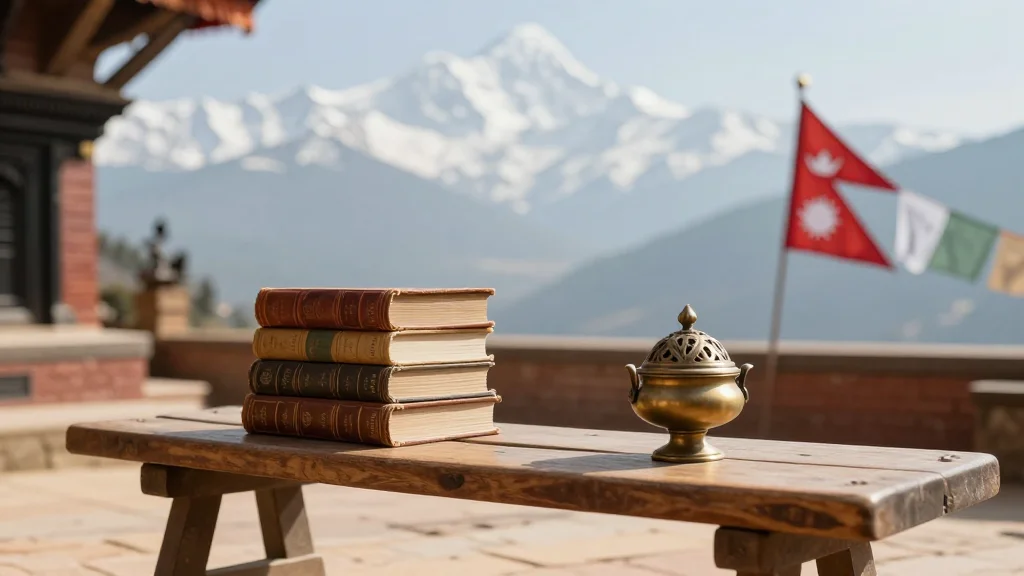
Kathmandu‑Kalinga Literary Festival Opens Fourth Edition, Deepening Nepal‑Odisha Cultural Ties

Why It Matters
The Kathmandu‑Kalinga Literary Festival’s fourth edition illustrates how literary events can serve as soft‑power instruments, strengthening diplomatic and cultural ties between neighboring nations. By providing a stage for Odia authors in Nepal, the festival expands market access for regional publishers and encourages translation projects that can reach wider audiences. Beyond economics, the gathering nurtures a shared South Asian identity rooted in storytelling, spirituality and social critique. As regional authors confront global challenges—from climate change to migration—the festival’s emphasis on dialogue and collaboration may shape the thematic direction of South Asian literature for years to come.
Key Takeaways
- •Fourth Kathmandu‑Kalinga Literary Festival launched at Hotel Himalaya, Lalitpur, Nepal
- •Former Nepal Prime Minister Sushila Karki inaugurated the two‑day event
- •Prominent Odia authors Pratibha Ray, Paramita Satpathy and Upendranath Behera participated
- •Festival director Ranjana Niraula highlighted literature’s role in transcending borders
- •Program included panels, performances, book launches and cross‑border collaborations
Pulse Analysis
The KLF’s expansion signals a strategic pivot for South Asian literary festivals toward regional integration rather than isolated national showcases. Historically, festivals in India and Nepal have operated within domestic ecosystems; KLF’s cross‑border model leverages shared cultural heritage to attract sponsors, media attention and publishing deals that span multiple markets. This approach aligns with the broader trend of regional cultural corridors, where governments and private entities invest in joint initiatives to boost tourism, creative economies and soft diplomacy.
From a market perspective, the festival creates a pipeline for translation rights, a segment that has traditionally been under‑exploited in South Asia. Publishers attending KLF can negotiate rights for Odia works in Nepali, Hindi and English, potentially unlocking new revenue streams. Moreover, the presence of high‑profile artists like Ila Arun and Piyush Mishra adds entertainment value that draws non‑literary audiences, expanding the festival’s reach and commercial viability.
Looking ahead, KLF’s rotating‑city model could inspire similar collaborations across the subcontinent, fostering a network of literary hubs that collectively raise the profile of South Asian narratives on the global stage. The success of this edition will likely influence funding decisions, government cultural policies, and the strategic planning of other festivals seeking to replicate its cross‑border synergy.
Kathmandu‑Kalinga Literary Festival Opens Fourth Edition, Deepening Nepal‑Odisha Cultural Ties
Comments
Want to join the conversation?
Loading comments...