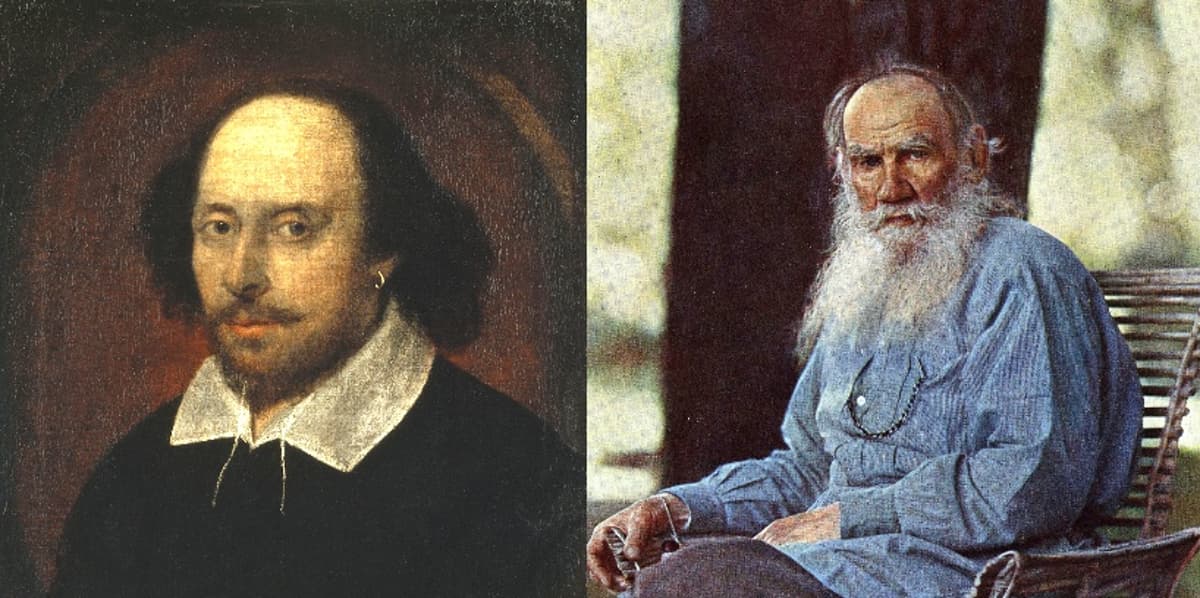
Leo Tolstoy Calls Shakespeare an ‘Insignificant, Inartistic Writer.’ Then George Orwell Fires Back
Why It Matters
The Tolstoy‑Orwell debate reveals how ideological lenses influence the literary canon, a dynamic still shaping cultural discourse today.
Key Takeaways
- •Tolstoy labeled Shakespeare “insignificant, inartistic” in 1906 essay.
- •Orwell countered, framing critique as religious vs humanist conflict.
- •Tololoy’s anti‑Shakespeare stance linked to his self‑denial quest.
- •Orwell highlighted bias in Tolstoy’s analysis of King Lear.
- •Debate illustrates how personal ideology shapes literary canon.
Pulse Analysis
Tolstoy’s late‑career turn toward Christian anarchism reshaped his cultural outlook, prompting a scathing 1906 pamphlet that dismissed Shakespeare as morally corrupt and artistically deficient. He argued that the reverence for the English playwright was an "epidemic suggestion" spread by German scholars, effectively inoculating European society with a false genius narrative. This polemic reflects Tolstoy’s broader project of aligning himself with the Russian peasantry and rejecting aristocratic values, using literary criticism as a weapon against perceived cultural oppression.
George Orwell’s 1947 essay offers a counter‑argument rooted in humanist philosophy. He interprets Tolstoy’s hostility as a personal projection of his own failed experiment in self‑denial, noting that the novelist’s identification with King Lear’s misguided renunciation reveals a deeper psychological conflict. Orwell dismantles Tolstoy’s selective reading of Lear, exposing biased language and an unwillingness to engage with Shakespeare’s poetic vitality. By framing the dispute as a clash between religious asceticism and worldly humanism, Orwell reasserts Shakespeare’s relevance as a mirror of ordinary human experience.
The Tolstoy‑Orwell exchange underscores a timeless truth: literary reputations are not immutable facts but contested terrains shaped by ideology, personal experience, and cultural power structures. Modern critics continue to grapple with similar tensions, debating whether canonical works should be evaluated on aesthetic merit alone or through the lens of contemporary social values. Understanding this historic debate equips readers to recognize the underlying motives that drive canon formation and to appreciate the ongoing negotiation between tradition and critical reinterpretation.
Leo Tolstoy Calls Shakespeare an ‘Insignificant, Inartistic Writer.’ Then George Orwell Fires Back
Comments
Want to join the conversation?
Loading comments...