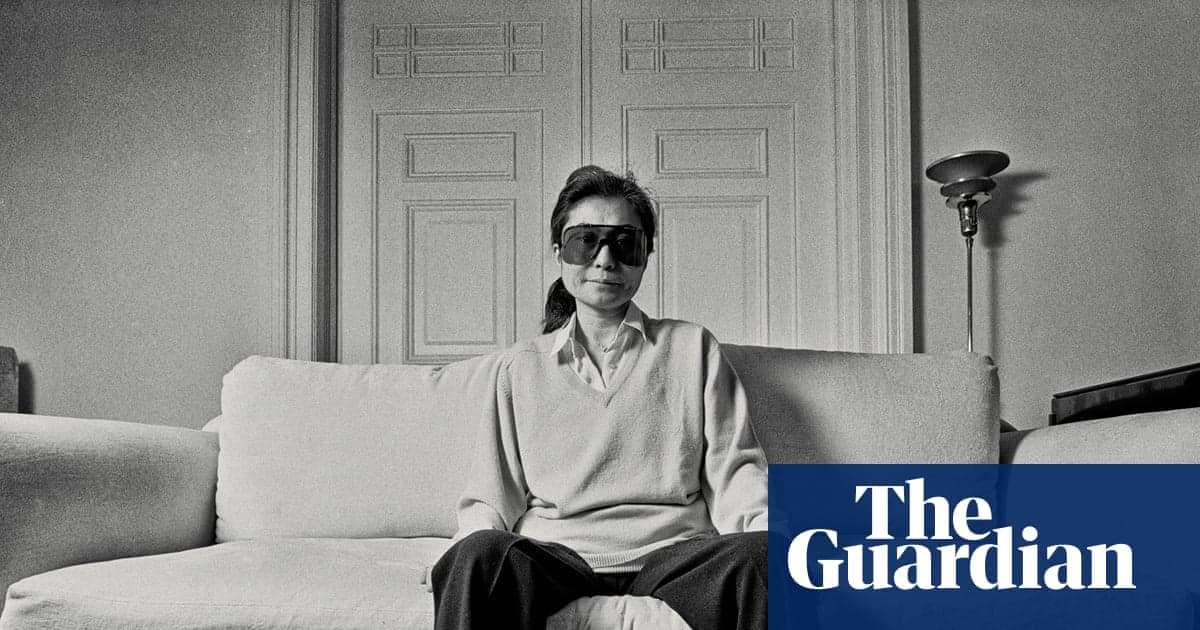
Love Magic Power Danger Bliss by Paul Morley Review – Yoko Ono Before the Beatles
•March 9, 2026
0
Why It Matters
Understanding Ono’s pre‑Beatles trajectory reshapes narratives about women’s contributions to post‑war avant‑garde art, influencing how cultural history values experimental practice.
Key Takeaways
- •Ono survived Tokyo fire‑bombing, shaping resilient outlook
- •Fluxus network provided platform for exiled avant‑garde artists
- •Morley praises Ono’s ephemerality, condemns contemporary digital control
- •Book omits other Japanese women artists, limiting perspective
Pulse Analysis
Yoko Ono’s early career, often eclipsed by her association with John Lennon, reveals a formative period marked by personal trauma and bold artistic experimentation. Born into a privileged banking family, she endured the fire‑bombing of Tokyo, later studying philosophy before abandoning academia for New York’s burgeoning underground scene. There, she joined a diaspora of exiled creators—Nam June Paik, George Maciunas, Joseph Beuys—who used Fluxus concepts to process wartime dislocation, turning everyday actions into provocative art that questioned authority and consumer culture.
In *Love Magic Power Danger Bliss*, Paul Morley captures the kinetic energy of Ono’s pre‑Beatles projects, especially her iconic performance *Cut Piece*, where audience members physically altered her clothing, and the tongue‑in‑cheek film *Bottoms*. Morley’s prose celebrates her commitment to ephemerality and non‑linear expression, arguing that such practices define humanity against modern digital domination. However, the biography leans on extensive historical asides and neglects the contributions of fellow Japanese women artists like Shigeko Kubota and Takako Saito, limiting its scope and reinforcing a singular narrative.
The book’s mixed execution underscores a broader challenge in art criticism: balancing rigorous contextualization with inclusive representation. By foregrounding Ono’s avant‑garde legacy while overlooking parallel female voices, Morley’s work prompts readers to reconsider how cultural histories are constructed. Recognizing Ono’s influence alongside her contemporaries enriches our understanding of post‑war experimental art and affirms the importance of diverse perspectives in shaping the canon.
Love Magic Power Danger Bliss by Paul Morley review – Yoko Ono before the Beatles
0
Comments
Want to join the conversation?
Loading comments...