Why It Matters
The series revives a seminal dystopian narrative for a new generation, shaping public dialogue on authoritarianism and gender roles, while Atwood’s commentary influences cultural perceptions of resistance and traditionalist movements.
Key Takeaways
- •Hulu's "The Testaments" streams, focusing on teenage resistance in Gilead.
- •Aunt Lydia transforms from enforcer to covert rebel, embodying double‑agent motif.
- •Atwood critiques modern "trad wife" movement as nostalgic, not historical.
- •Series blends YA drama with dystopian political commentary.
- •Atwood advises younger friendships to offset aging social loss.
Pulse Analysis
Margaret Atwood’s sequel to the cultural touchstone *The Handmaid’s Tale* arrives on Hulu as *The Testaments*, a series that shifts the narrative lens from the adult resistance of June Osborne to the teenage world of Agnes/MacKenzie. By situating the story four years after the original finale, the show taps into a new demographic while preserving the franchise’s reputation as a barometer of authoritarian anxieties. The timing is deliberate: streaming in 2026, the series re‑enters public discourse during a renewed political climate, reminding viewers that dystopian fiction still mirrors real‑world power struggles.
The core of the series is the concept of an insider‑turned‑saboteur, embodied by Aunt Lydia’s evolution from Gilead’s chief enforcer to a covert operative. Atwood likens this to the historic double‑agent archetype that has shaped 20th‑century revolutions and will likely define 21st‑century insurgencies. By dramatizing a mole within a totalitarian regime, the show offers a template for modern activists who must navigate secrecy, moral ambiguity, and the risk of unintended consequences—issues that resonate with contemporary movements worldwide.
Beyond rebellion, Atwood uses the platform to dissect the resurgence of the ‘trad wife’ subculture. She argues that today’s self‑styled traditional wives romanticize a 19th‑century agrarian role that never existed for most women, turning domestic labor into a status symbol for affluent households. This critique aligns with broader cultural debates about gender, labor, and authenticity. For business leaders and marketers, the conversation signals shifting consumer values and the importance of nuanced storytelling that acknowledges both nostalgia and its socioeconomic underpinnings.
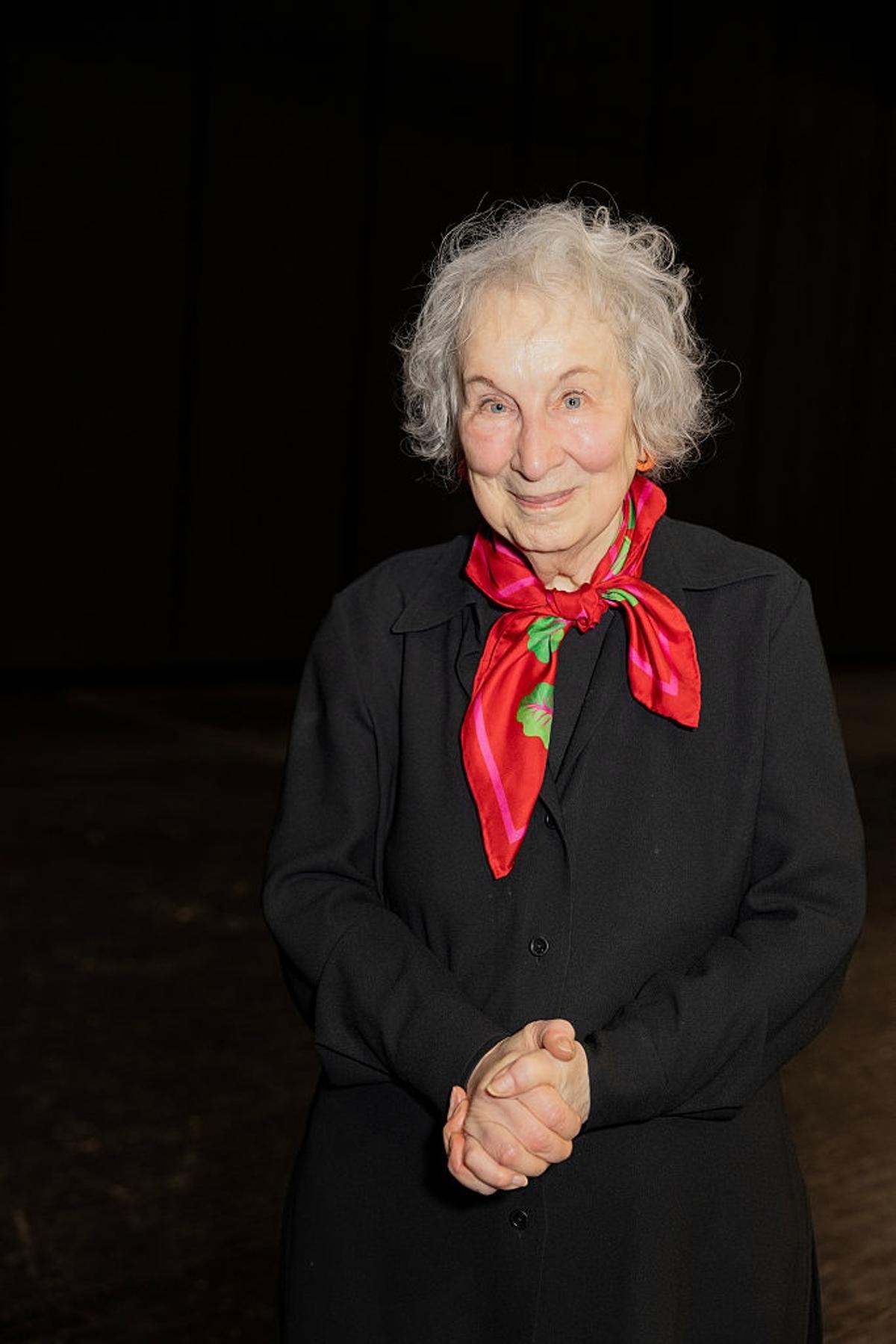
Margaret Atwood on The Testaments and Trad Wives
Comments
Want to join the conversation?
Loading comments...