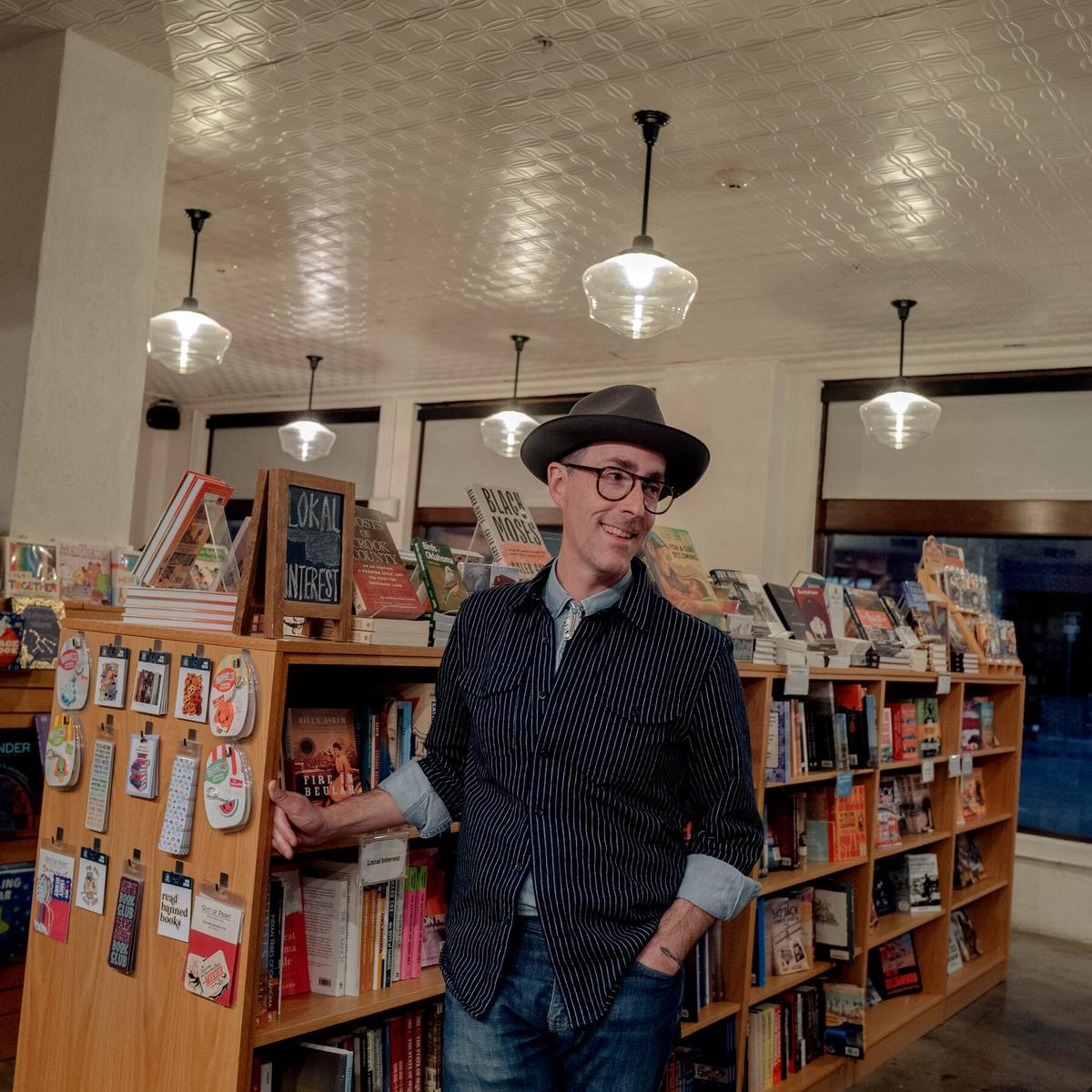
Meet the ‘Literary King of Tulsa’ (Before He Moves to Seattle)
Why It Matters
The story underscores how nonprofit independent bookstores can anchor local arts ecosystems while also illustrating the talent drain toward larger cultural institutions in major cities.
Key Takeaways
- •Magic City Books runs as nonprofit, no profit for founder
- •Hosts 100+ author events and six reading groups annually
- •Founder Jeff Martin leaves for Seattle Art Museum position
- •Store serves as cultural anchor near Tulsa’s arts institutions
- •Independent bookstores drive community engagement despite financial constraints
Pulse Analysis
Magic City Books exemplifies the nonprofit bookstore model that prioritizes community over profit. By operating with a board of directors and tax‑exempt status, the store has cultivated a vibrant literary scene in Tulsa, drawing authors, readers, and educators into its programming. The sheer volume of events—over a hundred author talks and multiple reading groups each year—creates a cultural magnet that supports nearby institutions like the Philbrook Museum, Woody Guthrie Center, and Bob Dylan Center, reinforcing a synergistic arts district.
Jeff Martin’s dual career as a museum communications director and bookstore emcee illustrates the fluid talent pool that sustains midsize city culture. His decision to transition to the Seattle Art Museum reflects both personal ambition and the pull of larger, better‑funded institutions. While Tulsa loses a charismatic leader, Martin’s move may forge new cross‑city collaborations, potentially raising Magic City Books’ profile nationally. Seattle gains a seasoned cultural strategist capable of enhancing visitor engagement and community outreach.
The broader narrative highlights a growing trend: independent bookstores are reinventing themselves as community nonprofits to survive in a digital age, yet they remain vulnerable to leadership turnover. As major museums and cultural hubs attract seasoned professionals, smaller markets must invest in succession planning and diversified funding. For investors and policymakers, the case underscores the economic value of supporting nonprofit cultural venues, which generate social capital, stimulate local commerce, and preserve literary heritage despite modest financial margins.
Meet the ‘Literary King of Tulsa’ (Before He Moves to Seattle)
Comments
Want to join the conversation?
Loading comments...